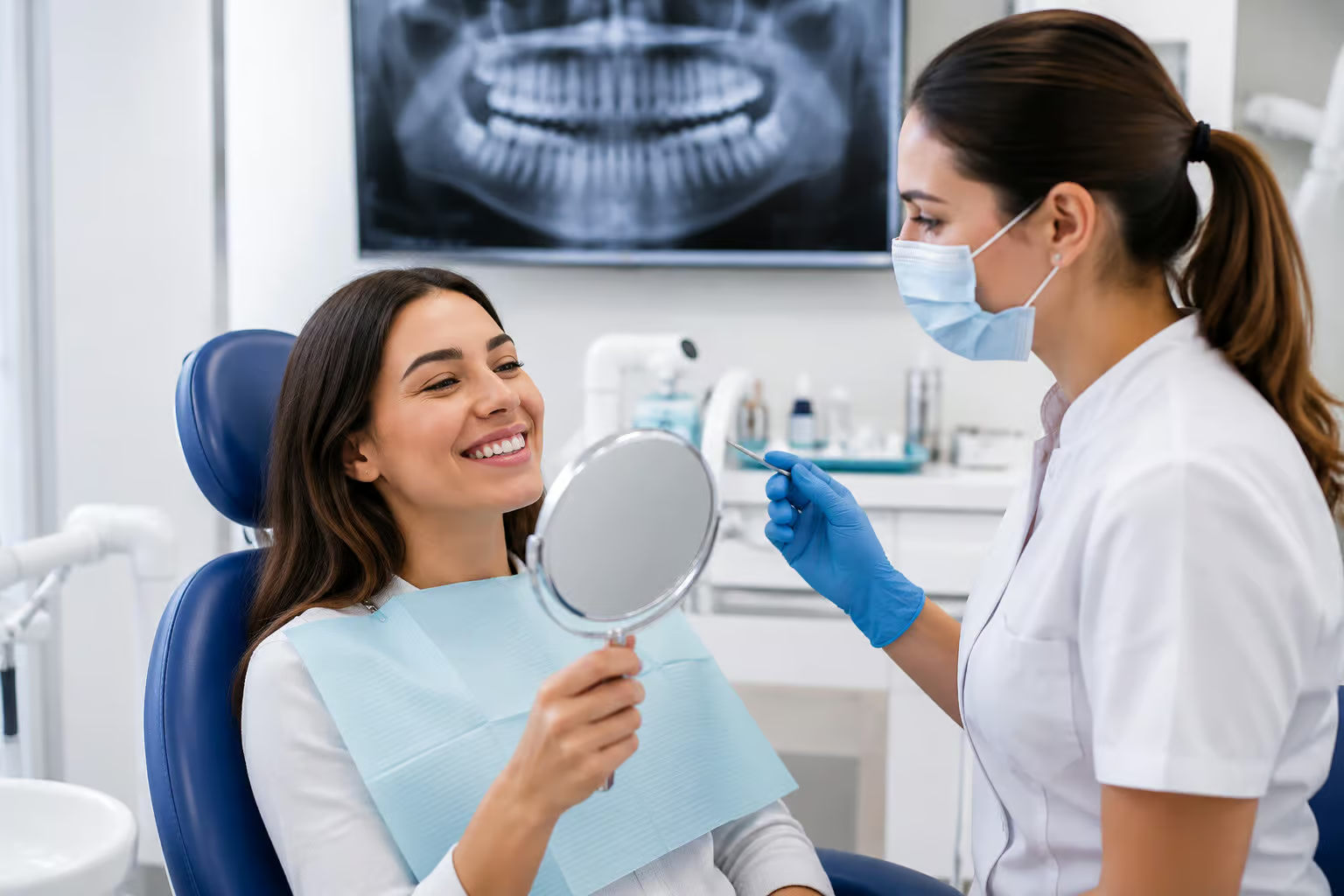
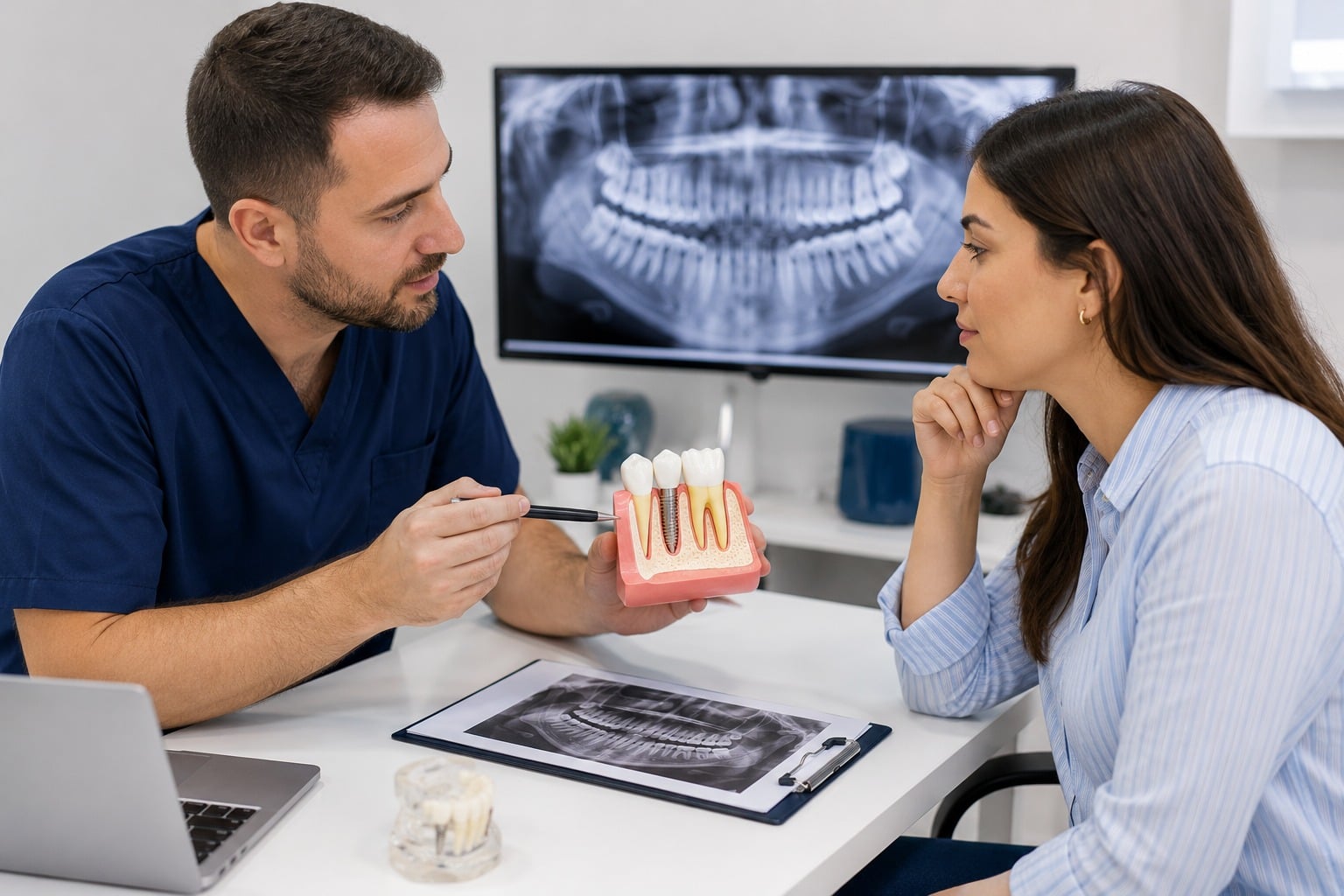
Are you a suitable candidate for dental implants? If you have one missing tooth, several gaps or an unstable denture, dental implants may provide a fixed and natural-looking replacement. Even bone loss or gum problems may not automatically exclude you when the correct preparatory treatment is available.
At KissDent in Tirana, every implant case is evaluated through clinical examination, digital imaging and personalised restoration planning. With experienced implant care and an in-house CAD/CAM laboratory, the clinic can identify the most suitable dental implant solution for your health, jawbone and smile.
What Does Being a Good Implant Candidate Mean?
A good candidate does not need to have perfect teeth or ideal bone structure. Many people considering implants already have tooth loss, old restorations, gum problems or reduced bone volume.
Suitability means that the implant can be placed safely, supported by healthy tissue and maintained after treatment. The dentist must also confirm that an implant is more appropriate than a bridge, removable prosthesis or another alternative.
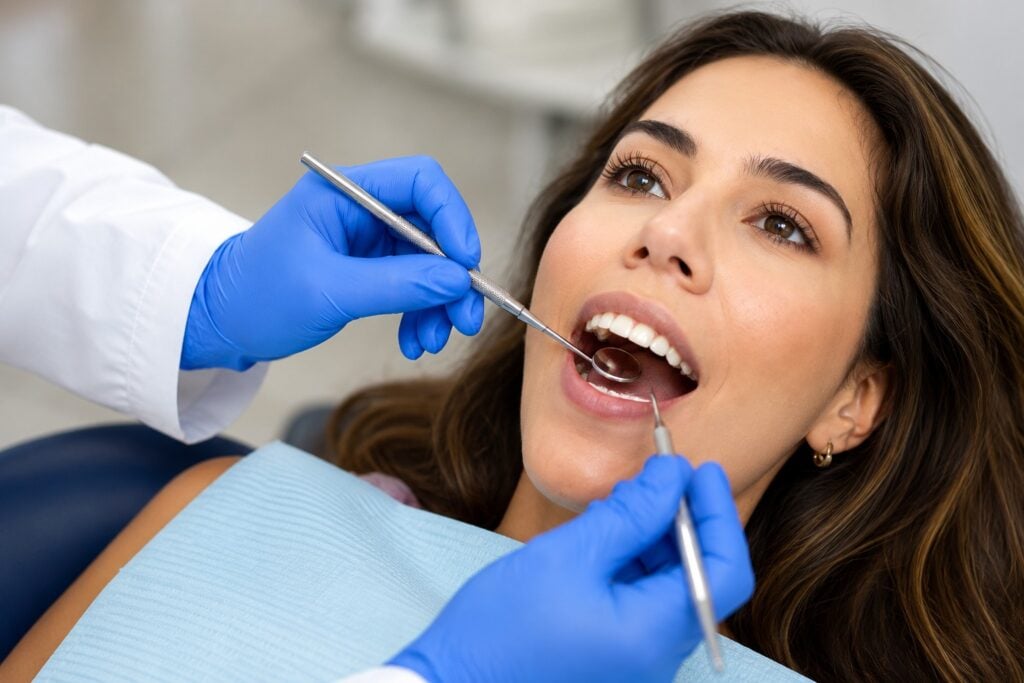
You Have One or More Missing or Failing Teeth
Dental implants may be considered when a tooth is already missing or cannot be restored predictably.
Common situations include:
- one missing tooth;
- several missing teeth in different areas;
- a gap involving neighbouring teeth;
- a failing dental bridge;
- an unstable removable denture;
- complete tooth loss in one or both arches;
- remaining teeth that cannot support a reliable restoration.
A single implant can replace one tooth without reducing the neighbouring teeth. Several implants may support a bridge, while full-arch systems can replace all the teeth in one jaw.
The dentist should first determine whether any remaining natural teeth can be preserved. Implant treatment should not involve removing healthy teeth simply to create a more extensive restoration.
The Main Factors Used to Assess If You Are A Suitable Candidate Or Not
| Fattore | Favourable condition | When additional care may be needed |
| Gum health | Healthy, stable gums | Active gingivitis or periodontitis |
| Jawbone | Enough bone in a safe position | Bone loss or reduced density |
| Stato di salute generale | Medical conditions are controlled | A condition affects healing or infection risk |
| Smoking | Non-smoker | Smoking may increase implant complications |
| Igiene orale | Consistent daily cleaning | Poor plaque control |
| Bite | Balanced and manageable | Grinding, clenching or excessive forces |
| Age and growth | Jaw growth is complete | Younger patients may need to wait |
| Medication | No relevant concerns identified | Certain medications require medical review |
Healthy Gums Are Essential
Implants depend on the health of the gums and bone surrounding them. Active gum disease can damage these supporting tissues and increase the risk of inflammation around an implant.
Before implant placement, the dentist checks for:
- bleeding gums;
- deep periodontal pockets;
- plaque and tartar;
- gum recession;
- loose teeth;
- previous periodontal bone loss;
- infection around remaining teeth.
Gum disease does not always mean that implants are impossible. It normally means that periodontal treatment and improved plaque control are needed first.
The gums should be stable before surgery. Patients with a history of periodontitis may also require closer professional monitoring after receiving implants.
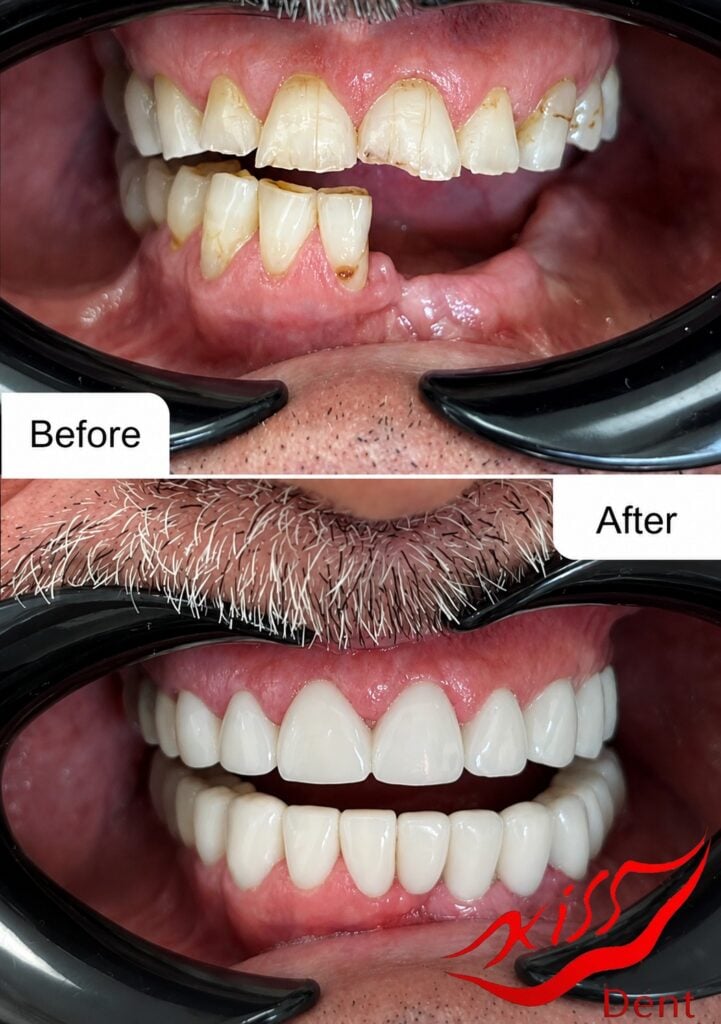
Do You Have Enough Jawbone?
The implant needs bone around it for stability. The dentist evaluates the height, width, density and position of the available jawbone.
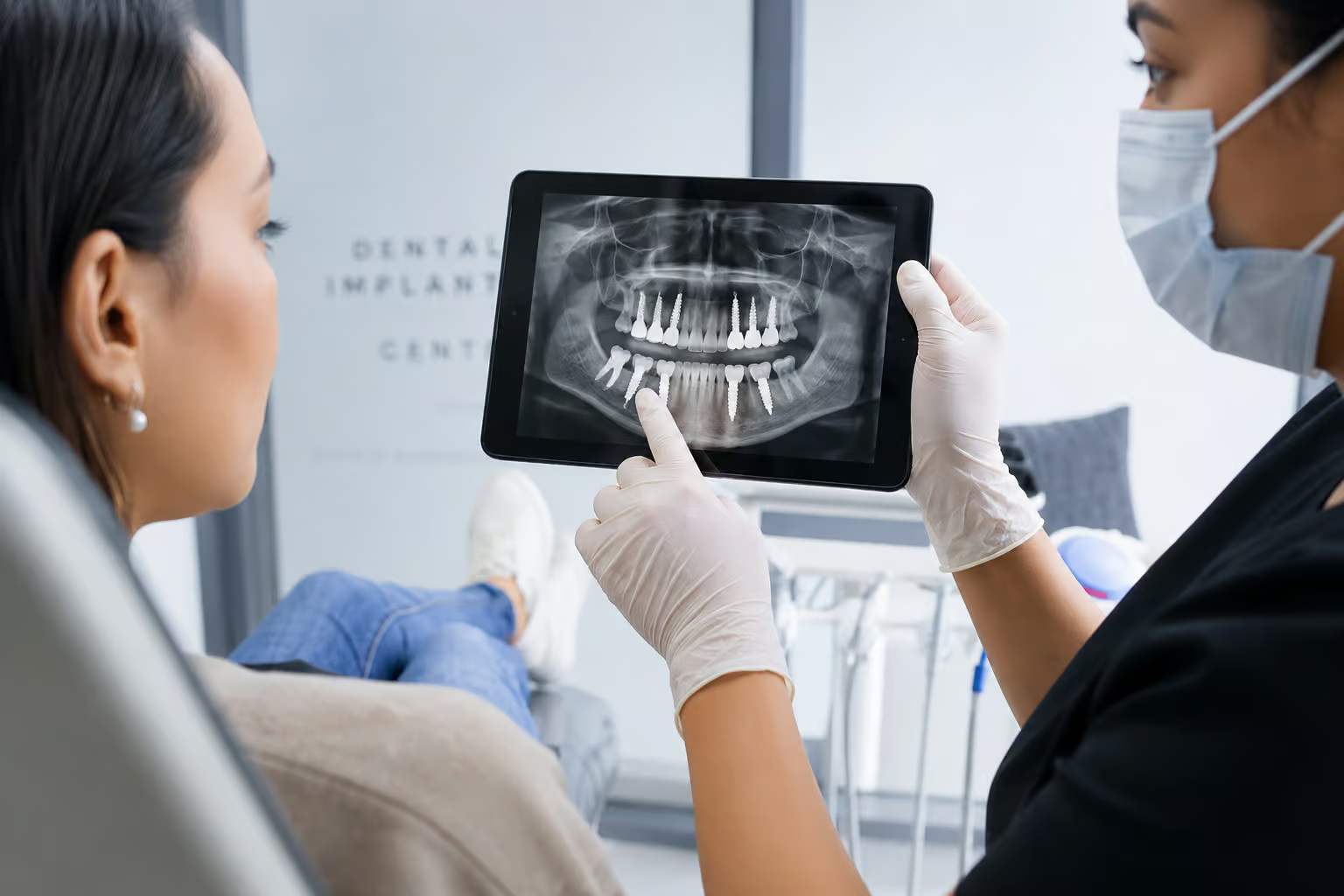
A panoramic X-ray provides a general view, while a CBCT scan offers three-dimensional information. It can show bone distribution and important structures such as the sinuses and nerves.
What If You Have Bone Loss?
Bone loss does not automatically disqualify a patient.
Depending on the location and extent of the deficiency, possible options may include:
- bone regeneration;
- sinus lift;
- a different implant position;
- a shorter or narrower implant where appropriate;
- an angled implant;
- a customised full-arch solution.
KissDent provides bone regeneration and sinus lift procedures for patients who need additional support before or during implant placement.
The correct approach depends on the distribution of the remaining bone. It cannot be selected from the amount of bone loss alone.
Your General Health Must Support Proper Healing
Dental implant treatment involves surgery and the formation of a stable connection between the implant and jawbone. Medical conditions that affect healing, circulation, immunity or bone metabolism must therefore be reviewed.
A patient may still receive implants when a condition is well controlled. The implantologist may request information from the patient’s doctor or ask for relevant medical tests before confirming treatment.
Important information includes:
- diabetes and its level of control;
- cardiovascular conditions;
- immune disorders;
- osteoporosis;
- bleeding or clotting conditions;
- previous cancer treatment;
- allergies;
- past surgical complications.
The purpose of the medical assessment is not simply to exclude patients. It helps the team modify the plan or delay surgery until the health condition is better controlled.
Can Patients With Diabetes Receive Implants?
Diabetes does not automatically prevent implant treatment. The main concern is whether blood glucose is well managed.
Poorly controlled diabetes can affect healing and increase susceptibility to infection. Patients with stable, medically managed diabetes may still be considered after an appropriate clinical and medical assessment.
The dentist may coordinate with the patient’s doctor and evaluate gum health carefully. Good plaque control is especially important because diabetes and periodontal inflammation can affect one another.
A medical condition should never be hidden from the dental team, even when the patient believes it is mild or well controlled.
Smoking Can Increase the Risk
Smoking can interfere with soft-tissue healing and affect the bone surrounding dental implants. It is also associated with a higher risk of implant failure and inflammatory complications.
A systematic review found a higher implant-failure risk among smokers, reinforcing the importance of discussing smoking honestly during treatment planning. Systematic review on smoking and dental implants
Smoking does not result in the same decision for every patient. The implantologist considers the amount smoked, gum condition, bone quality and ability to stop smoking as advised by the clinical team.
The long-term risk must also be considered. Protecting an implant requires healthy tissue years after the original surgery, not only during initial healing.
Good Oral Hygiene Is a Long-Term Requirement
Implants cannot develop tooth decay, but the gums and bone around them can become inflamed.
A suitable candidate must be willing and able to clean:
- around the implant crown;
- between neighbouring teeth;
- beneath an implant-supported bridge;
- around the gum line;
- under a fixed full-arch restoration.
The exact cleaning method depends on the restoration. Toothbrushing may need to be combined with interdental brushes, floss designed for bridges or a water flosser.
Professional maintenance is also necessary. The dentist checks the gums, bite, restoration and bone surrounding the implants.
Patients who are unwilling to maintain the restoration may face a higher risk of preventable complications.
Grinding and Clenching Must Be Considered
Bruxism does not always prevent dental implant treatment, but it can place excessive force on implants, screws and ceramic restorations.
Signs may include:
- worn natural teeth;
- fractured restorations;
- strong chewing muscles;
- repeated crown damage;
- jaw discomfort;
- a history of night-time grinding.
The implant positions and bridge design may need to account for these forces. A protective night guard may also be recommended after the definitive restoration is fitted.
Adding more implants does not replace correct bite planning. The restoration must distribute pressure safely whether it is supported by one implant or a complete full-arch system.
Your Medication and Treatment History Matter
Some medications can influence bleeding, bone metabolism, immunity or healing. Previous radiotherapy involving the jaw also requires careful assessment because it may affect bone response.
Patients should give the implantologist a complete list of:
- prescription medication;
- injections for bone conditions;
- anticoagulants;
- immune-suppressing medication;
- supplements;
- previous cancer treatments.
Medication should not be stopped or changed without instructions from the prescribing doctor. The implantologist may communicate with the patient’s medical team before deciding whether treatment can proceed safely.
Is There an Age Limit for Dental Implants?
Implants are generally considered after jaw growth has been completed. Placing an implant before growth is complete can create future alignment and aesthetic problems as the surrounding teeth and jaw continue to change.
For adults, there is no single upper age limit that automatically prevents treatment. General health, bone condition, gum stability and ability to maintain the implant are more important than the number of years alone.
An older patient in stable health may be more suitable than a younger patient with uncontrolled gum disease, poor hygiene or another significant risk factor.
How Does KissDent Assess Implant Candidates?
KissDent begins by understanding which teeth are missing, which teeth can still be preserved and what type of restoration is required.
The assessment may include:
- examination of the teeth and gums;
- review of medical history and medication;
- periodontal evaluation;
- panoramic X-ray;
- CBCT imaging when required;
- analysis of bone and anatomical structures;
- bite assessment;
- digital planning of the final teeth.
The implant plan is coordinated with KissDent’s in-house CAD/CAM laboratory. This allows the surgical team and dental technicians to consider implant placement and final restoration design together.
International patients can send available X-rays and dental photographs for an initial evaluation. However, final candidacy is confirmed only after the direct clinical examination and necessary diagnostic imaging.
Are You a Suitable Candidate for Dental Implants? 🦷
If you are considering dental implants in Albania, KissDent can evaluate your jawbone, gum health and missing teeth to determine whether an individual implant, implant-supported bridge or full-arch restoration may be suitable for your case.
Ready to explore your options?
📲 Send your X-ray on WhatsApp: +355 69 206 2408
📧 Email your dental records: info@kissdent.info
📍 Visit KissDent in central Tirana, Albania
Start with a clear clinical answer and move closer to a fixed, confident smile. ✨