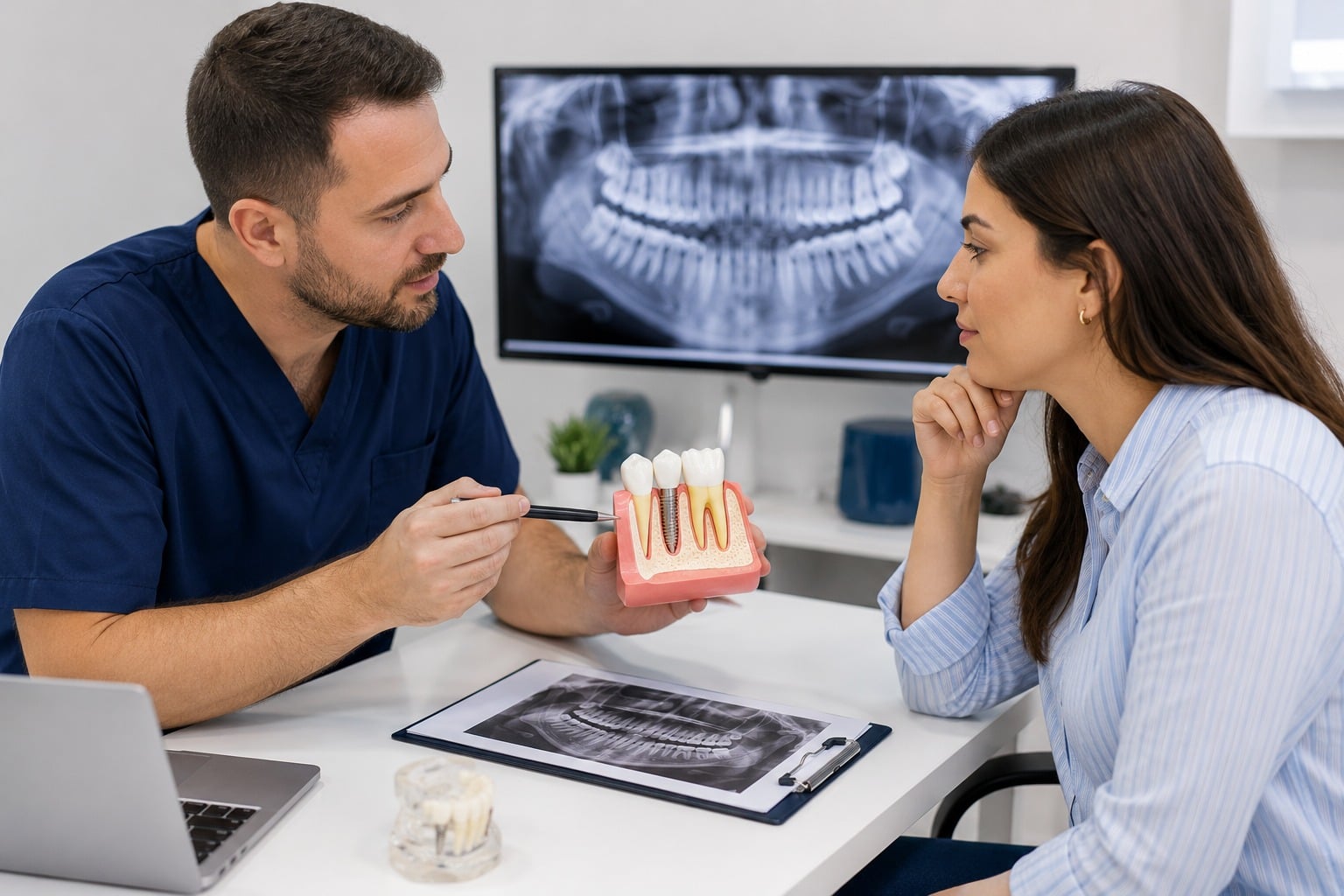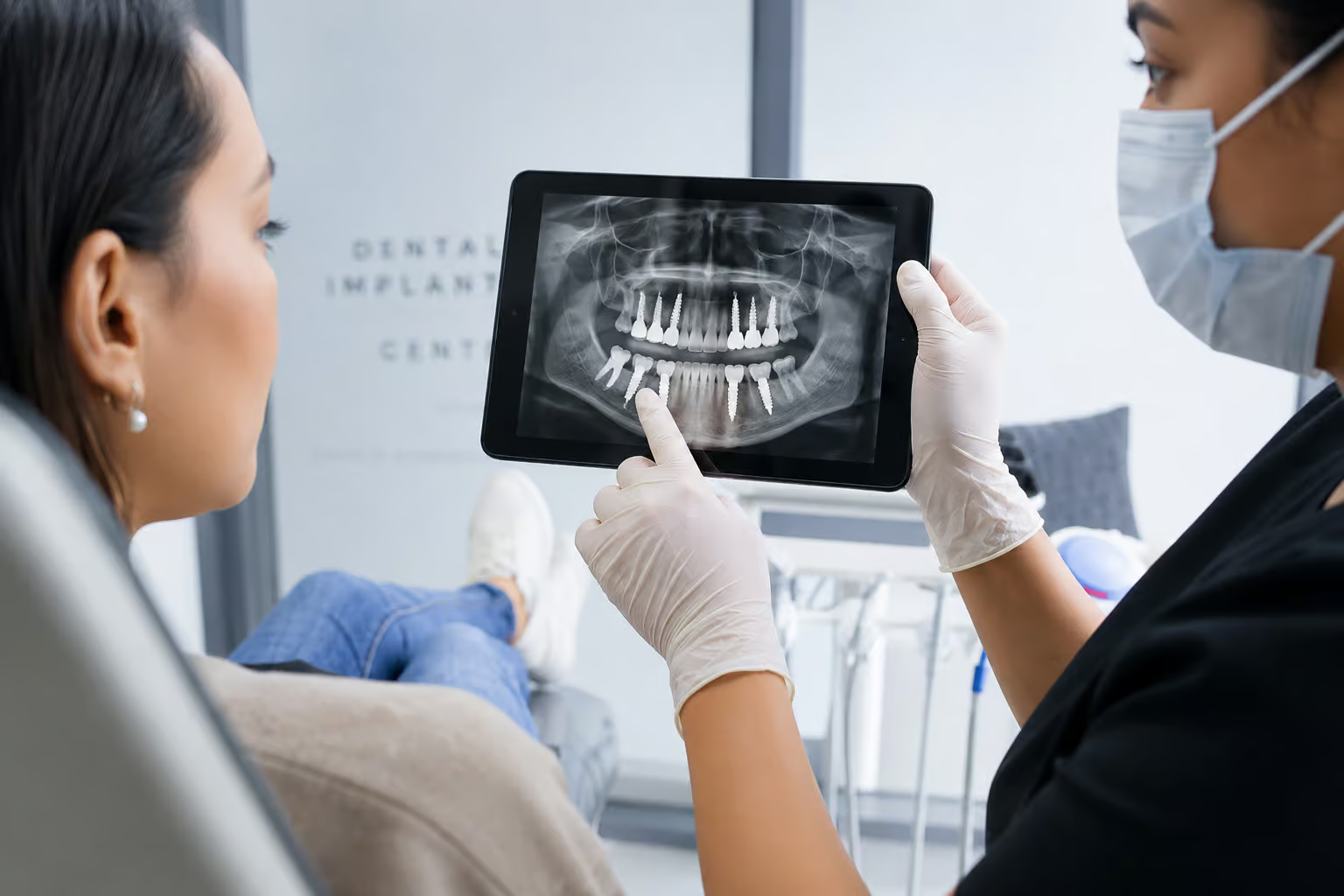
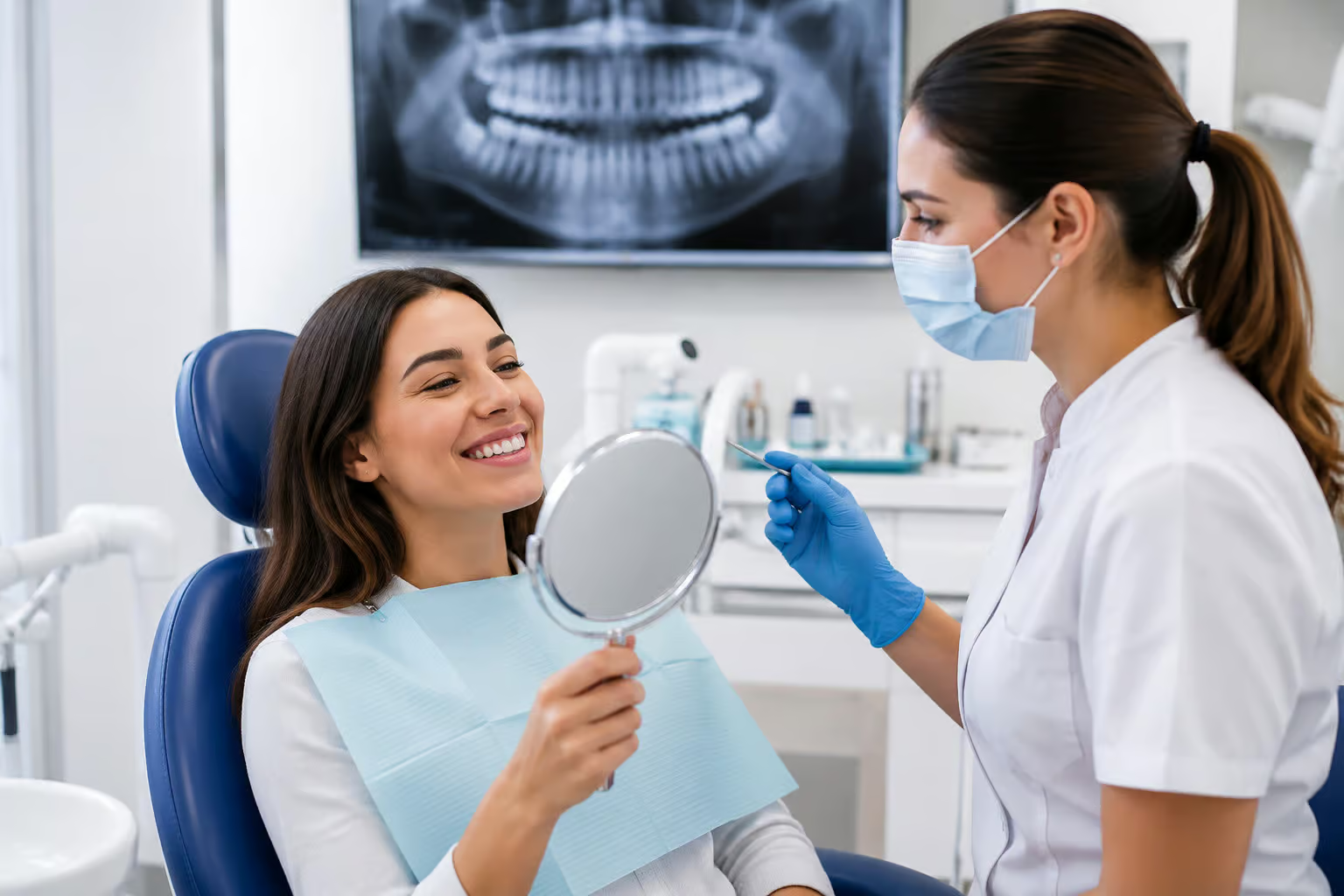
The most popular dental procedures for tourists in Albania include dental implants, full-arch restorations, crowns, veneers and professional teeth whitening. These treatments are chosen because they can restore missing or damaged teeth, improve the appearance of the smile and provide long-term functional benefits.
KissDent offers these treatments in central Tirana with personalised planning, digital technology and an in-house CAD/CAM laboratory.
Why Are These Dental Procedures So Popular?
International patients usually travel for treatments that can create a significant functional or aesthetic improvement. Replacing missing teeth, restoring a damaged smile or treating several teeth can make dental care abroad more worthwhile.
The most requested procedures also benefit from digital planning and close cooperation between the dentist and dental technician. These factors are especially important when treatment involves implants, multiple crowns or a complete smile restoration.
| Dental procedure | Main purpose | Why patients choose it |
| Dental implants | Replace individual missing teeth | Fixed and independent tooth replacement |
| All-on-4 and All-on-6 | Replace a complete arch | Alternative to removable dentures |
| Dental crowns and bridges | Restore damaged or missing teeth | Improves strength, function and appearance |
| Dental veneers | Improve visible front teeth | Changes colour, shape and proportions |
| Professional whitening | Brighten natural teeth | Conservative aesthetic improvement |
1. Dental Implants
Dental implants are one of the most popular dental procedures for tourists in Albania. They provide a fixed solution for patients who have lost one or more teeth.
An implant replaces the missing root and supports a customised crown. Unlike a traditional bridge, a single implant does not normally require the neighbouring healthy teeth to be reduced.
Why Do Patients Choose Dental Implants?
Missing teeth can affect more than appearance. They may change chewing, tooth alignment and the distribution of pressure across the bite.
Implants can restore the missing space while allowing each replacement tooth to function independently. They may be used for:
- one missing tooth;
- several separate missing teeth;
- an implant-supported bridge;
- support for a complete fixed restoration;
- stabilisation of certain removable prostheses.
The final result depends on accurate implant positioning and a well-designed crown. The implantologist must consider bone volume, gum condition, neighbouring teeth and the planned bite before surgery.
2. All-on-4 and All-on-6 Dental Implants
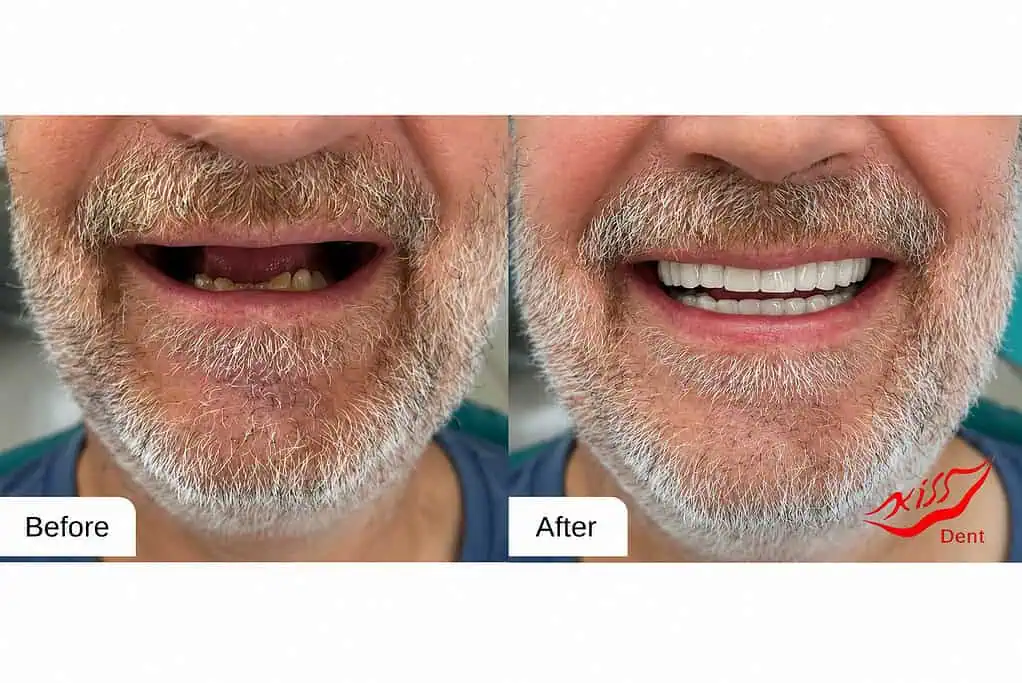
All-on-4 and All-on-6 are popular among patients who have lost most or all their teeth in one arch. They may also be suitable when the remaining teeth are severely damaged and cannot support a stable restoration.
Both treatments use dental implants to support a fixed full-arch bridge. The patient receives a row of teeth that remains attached to the implants rather than a removable denture.
Why Are Full-Arch Restorations Popular?
Removable dentures can move during eating or speaking. Some patients may also find them uncomfortable or difficult to stabilise.
A fixed implant-supported bridge can provide:
- greater stability;
- improved chewing function;
- no need for denture adhesive;
- a restoration designed for the patient’s bite;
- customised tooth shape and colour;
- easier confidence when speaking and eating.
All-on-4 or All-on-6?
All-on-4 uses four implants positioned to support the complete bridge. The posterior implants may be angled to use available bone more efficiently.
All-on-6 uses six implants, creating two additional support points. This may provide broader force distribution when sufficient bone is available.
All-on-6 is not automatically better because it uses more implants. The correct choice depends on bone distribution, bite strength, safe implant positions and the intended bridge design.
3. Dental Crowns and Bridges
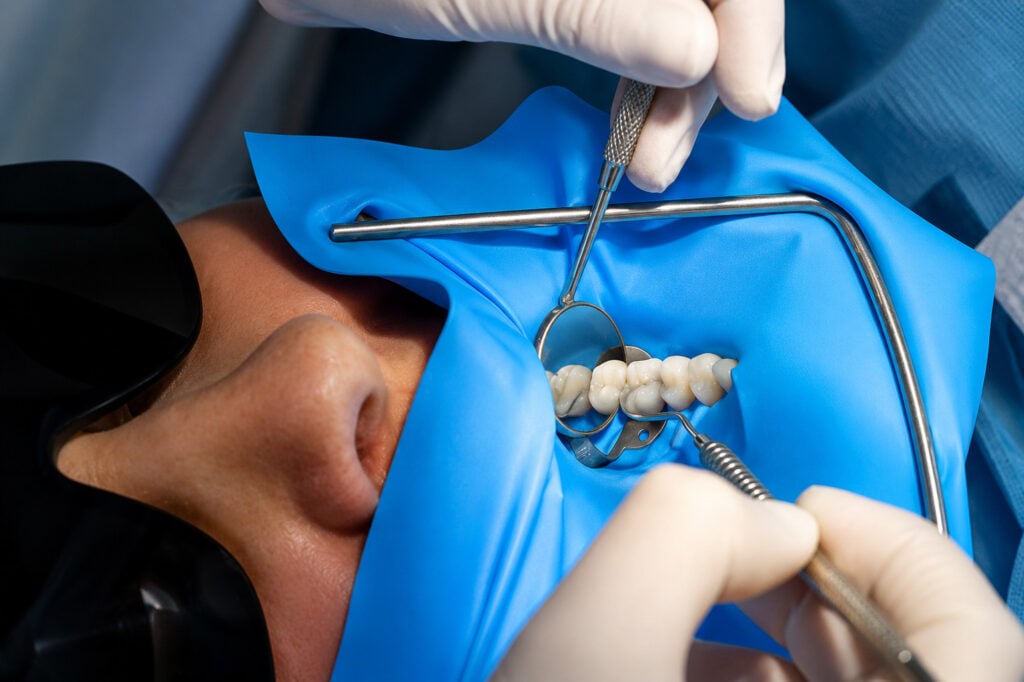
Dental crowns are frequently requested by tourists who have damaged, weakened or heavily restored teeth. A crown covers the visible part of a tooth to rebuild its shape and protect the remaining structure.
A dental bridge replaces one or more missing teeth. It may be supported by natural teeth, implants or a combination selected according to the clinical case.
When Is a Crown Used?
A crown may be considered for:
- a tooth with extensive decay;
- a cracked or fractured tooth;
- severe tooth wear;
- a large failing filling;
- a tooth treated with root canal therapy;
- an implant requiring its final visible restoration;
- a tooth that is too damaged for a veneer.
The dentist should first evaluate whether a more conservative restoration can protect the tooth. A crown should not be placed simply to change the appearance of a healthy tooth when another option is more appropriate.
Zirconia, E-Max or Porcelain-Fused-to-Metal?
Zirconia is widely used because it combines strength with modern aesthetic options. It may be suitable for back teeth, bridges and restorations exposed to stronger bite forces.
E-Max provides high translucency and is commonly considered for visible front teeth. It can reproduce the way natural enamel interacts with light.
Porcelain-fused-to-metal crowns remain an option in certain cases, although the metal structure can limit translucency compared with modern ceramic materials.
KissDent produces dental crowns in Albania within its internal CAD/CAM laboratory. The material is selected according to the tooth’s position, remaining structure and functional requirements.
4. Dental Veneers
Dental veneers are popular among tourists seeking a planned improvement to the visible part of their smile. A veneer is bonded to the front surface of a tooth to change its colour, shape, length or proportions.
They are most commonly used on front teeth that are structurally healthy but have an aesthetic concern.
What Can Veneers Correct?
Veneers may be considered for:
- permanent discolouration;
- small chips;
- gaps between teeth;
- worn or shortened edges;
- uneven tooth shapes;
- visible differences in tooth size;
- a smile requiring better balance and symmetry.
Veneers cannot correct every problem. Significant misalignment may require orthodontic treatment, while a heavily damaged tooth may need a crown.
Types of Dental Veneers
Composite veneers are shaped directly onto the teeth using tooth-coloured resin. They may be suitable for small corrections, individual chipped teeth or cases where minimal preparation is preferred.
E-Max veneers are produced from ceramic and are valued for their translucency. They can create a natural result when the shade, thickness and surface details are planned carefully.
Zirconia veneers may be considered when greater strength or coverage is required. Their use depends on bite forces and the condition of the tooth.
KissDent provides dental veneers in Albania with digital smile planning and direct coordination between the dentist and laboratory technician.
5. Professional Teeth Whitening
Professional whitening is a popular choice for patients who want to improve the colour of their natural teeth without changing their shape or covering them with restorations.
The treatment uses professional whitening products to reduce stains and lighten the natural tooth colour.
Which Types of Discolouration Can It Improve?
Professional whitening may help with colour changes related to:
- coffee and tea;
- certain foods;
- smoking;
- surface staining;
- natural darkening of the teeth.
The dentist should first check the teeth and gums. Active decay, gum inflammation, exposed roots or existing sensitivity may need attention before whitening.
Choosing the Correct Procedure
The most popular treatment is not necessarily the correct one for every patient.
A missing tooth cannot be replaced with whitening. A structurally damaged tooth may not be suitable for a veneer. A complete full-arch restoration should not be recommended when several natural teeth can still be preserved.
The dentist should base the recommendation on:
- the health of the teeth and gums;
- available bone;
- remaining tooth structure;
- bite forces;
- number of missing teeth;
- aesthetic expectations;
- long-term maintenance.
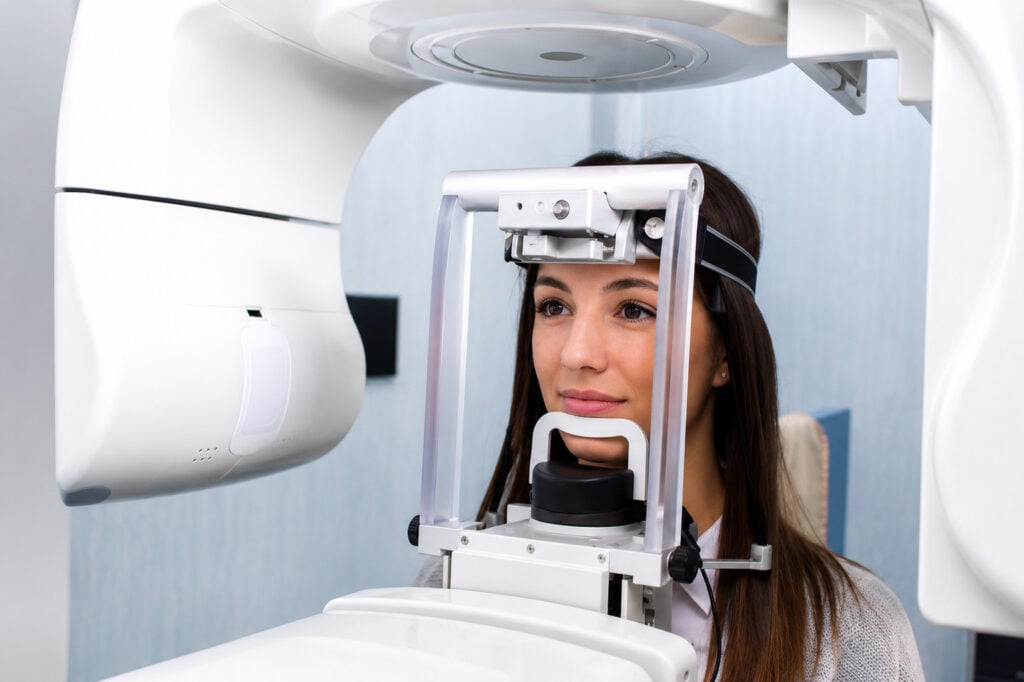
A complete examination helps identify the treatment that solves the actual problem without removing healthy tooth structure unnecessarily.
Discover Your Treatment Options at KissDent 🦷✨
Interested in dental implants, full-arch restoration, crowns, veneers or professional whitening in Albania? Send KissDent your panoramic X-ray and recent dental photographs for an initial evaluation.
The team can review your dental needs and explain which procedure may be appropriate for your smile.
📲 WhatsApp: +355 69 206 2408
📧 Email: info@kissdent.info