
Periodontics Treatment in Albania
Gum disease is the leading cause of tooth loss in adults worldwide — and the most misunderstood, because it rarely hurts until it has already caused significant damage. Bleeding when you brush, gums that look like they are pulling away from your teeth, or persistent bad breath that no amount of brushing resolves are not minor inconveniences. They are early warnings from a bacterial infection that, left untreated, will destroy the bone and tissue holding your teeth in place.
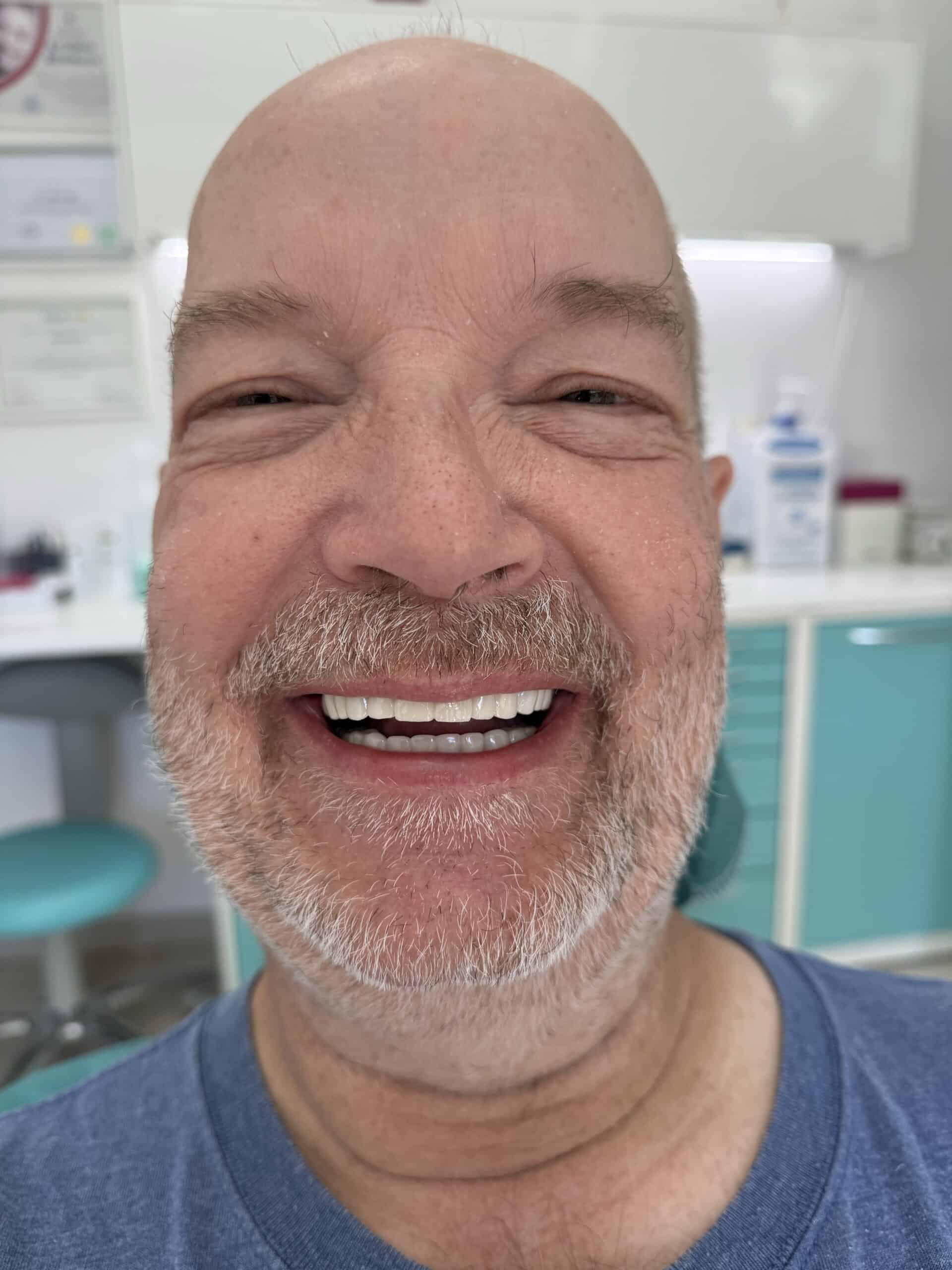
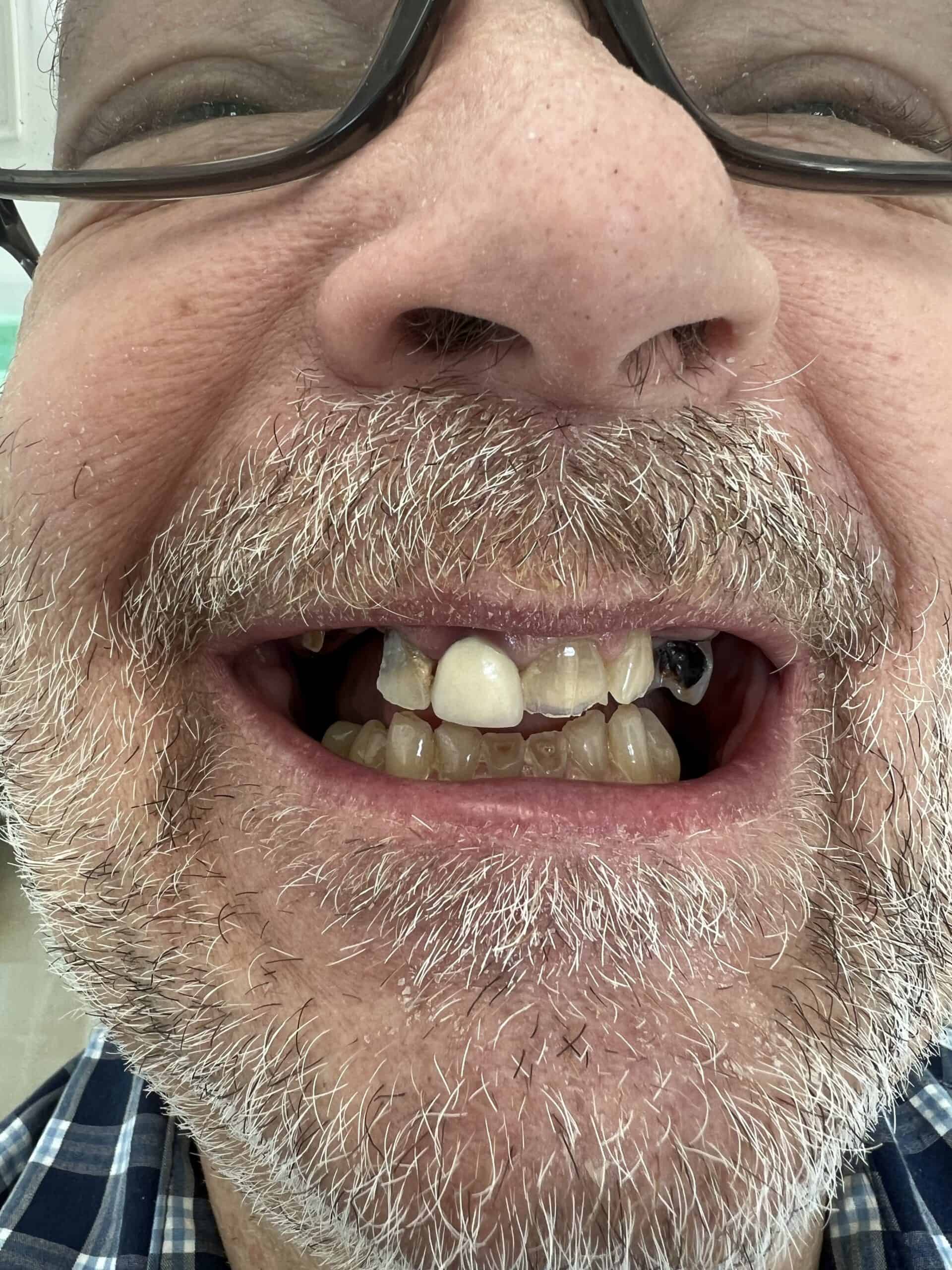
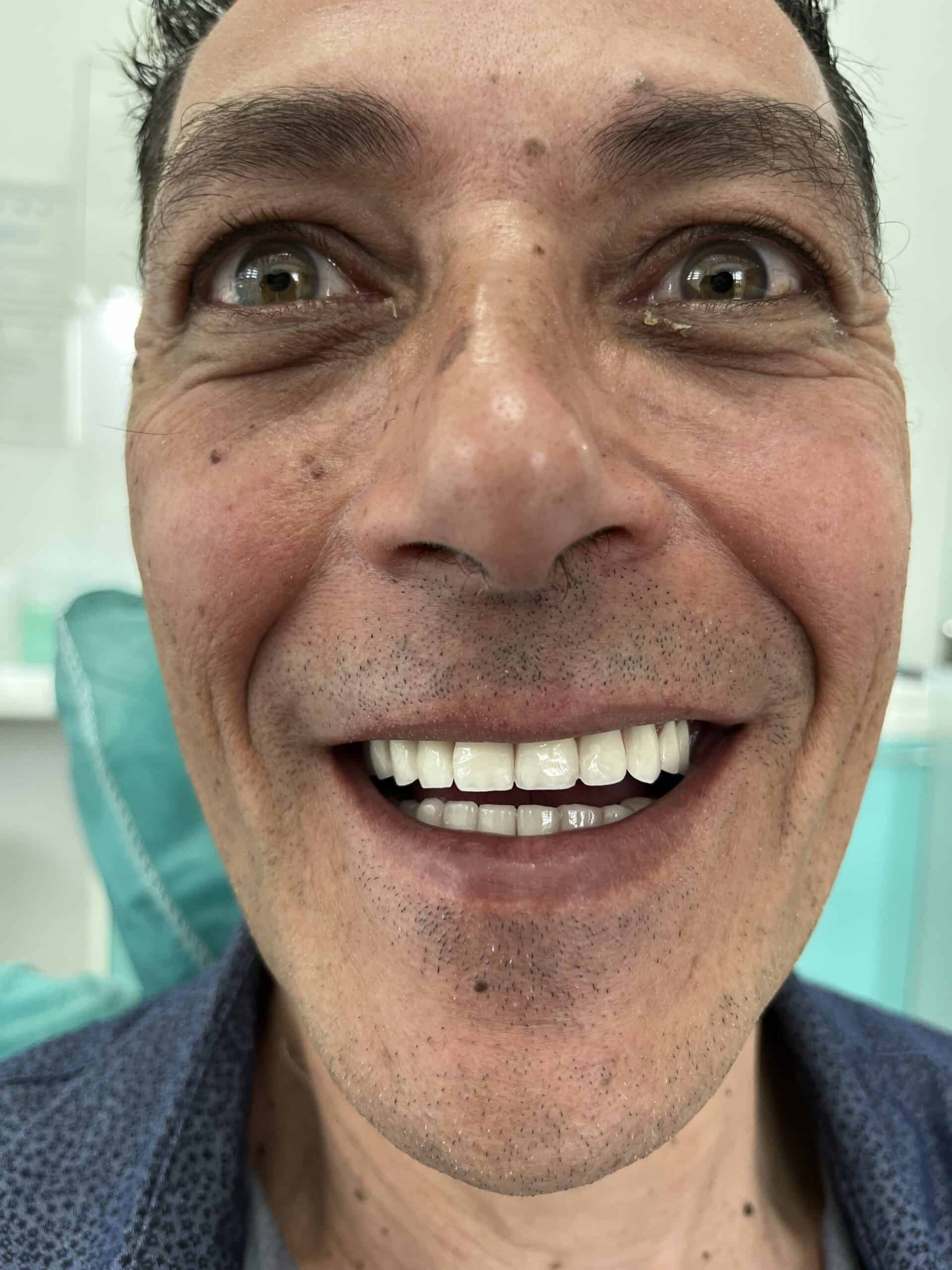
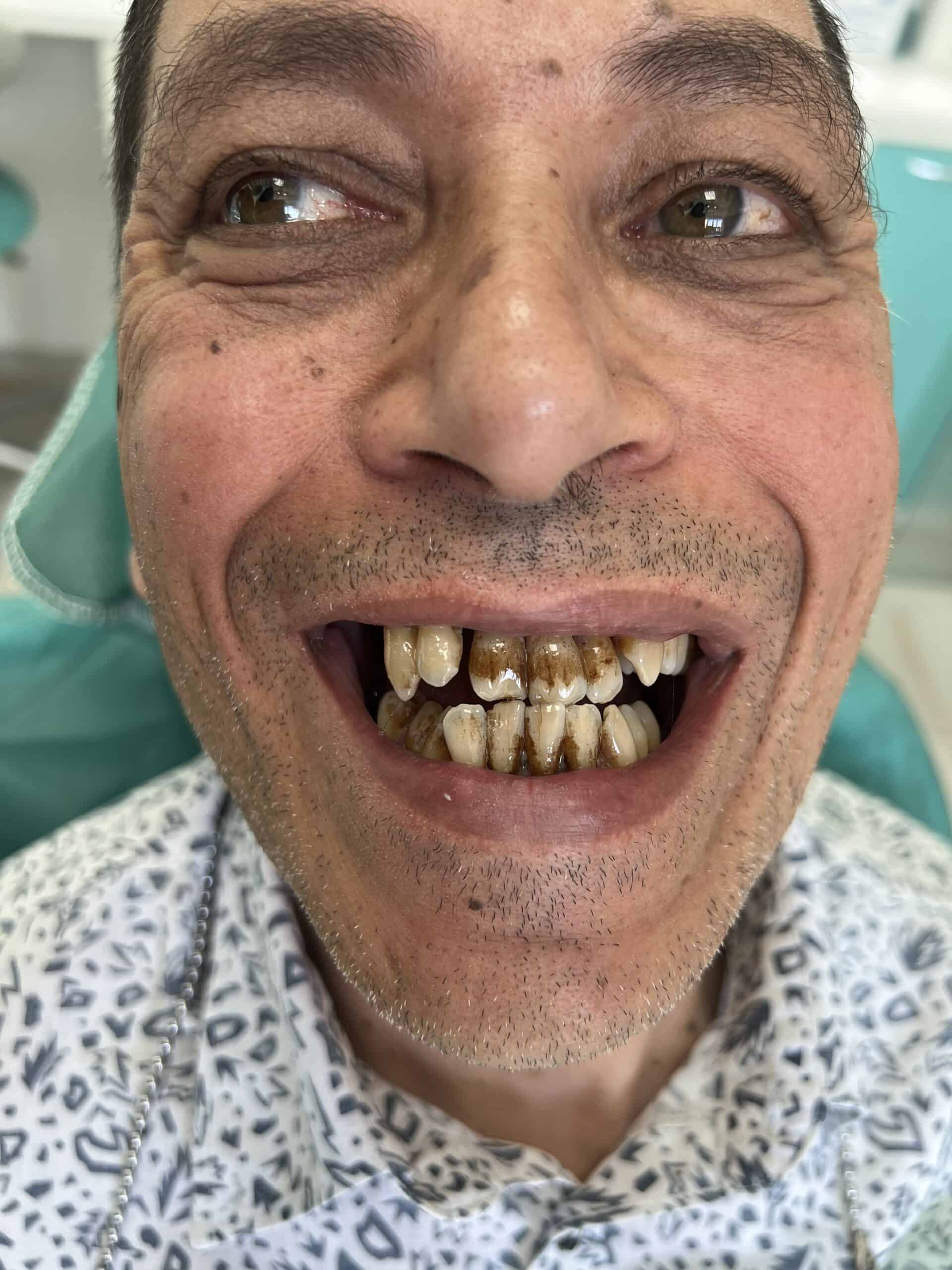
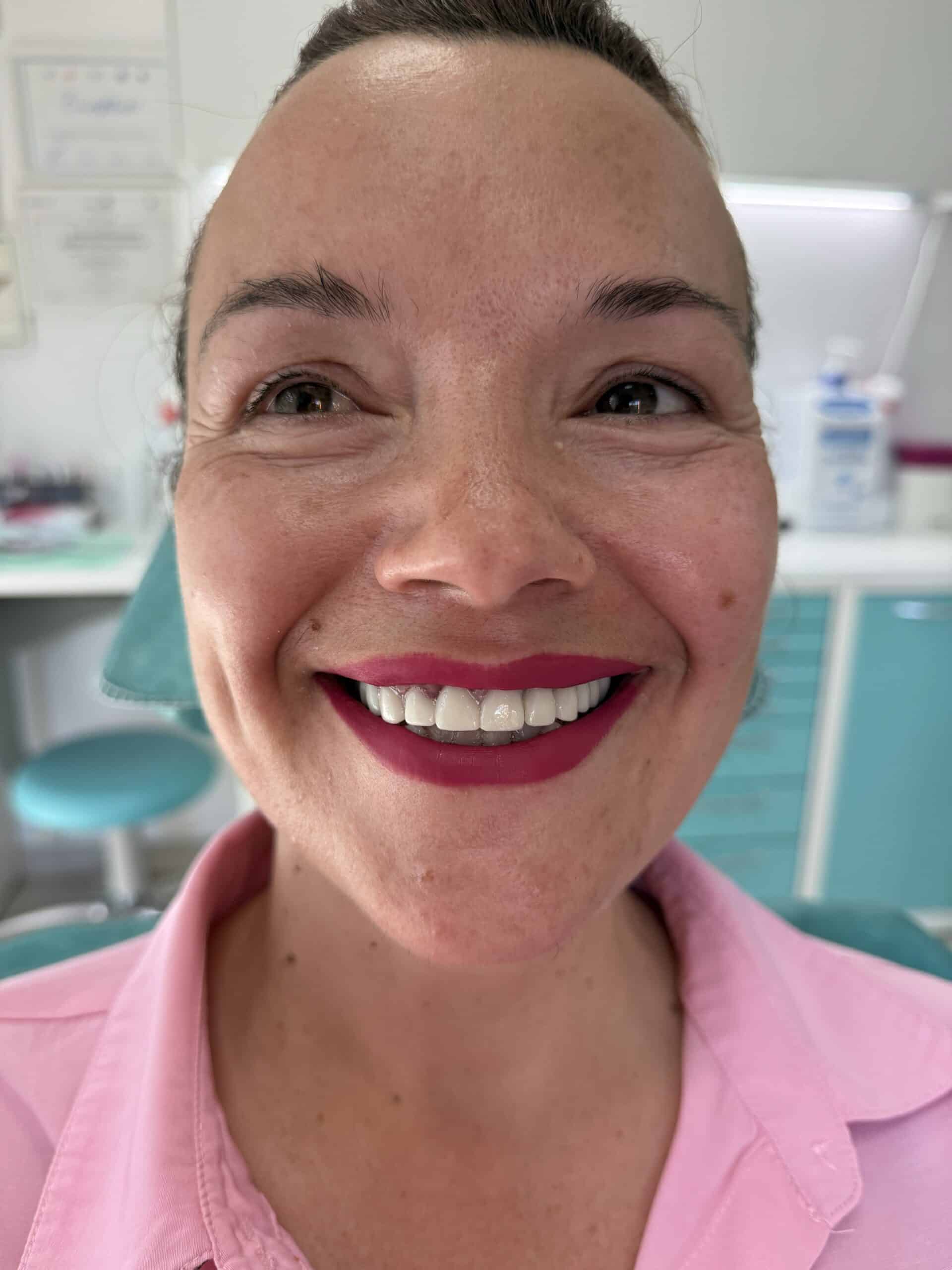
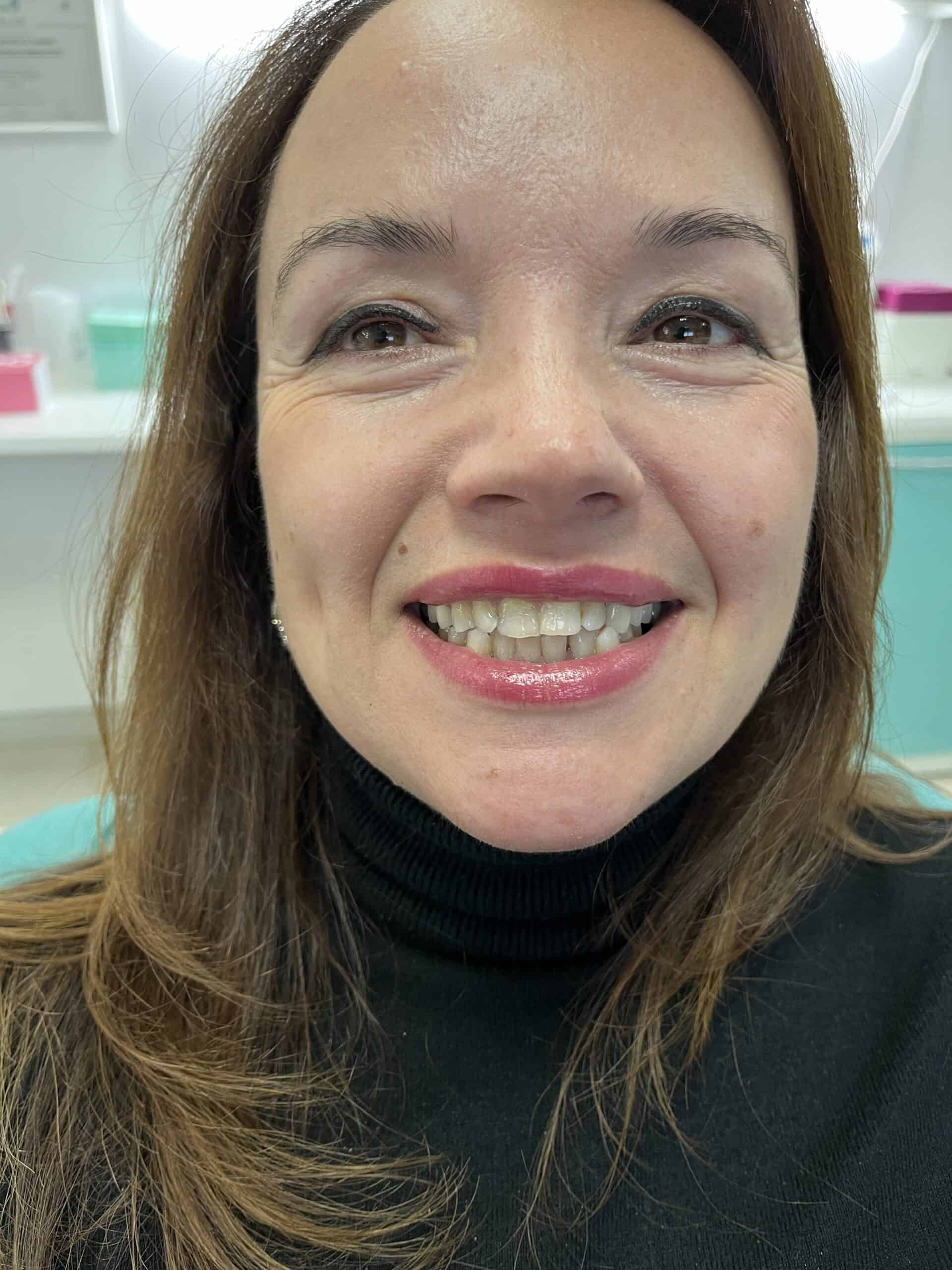
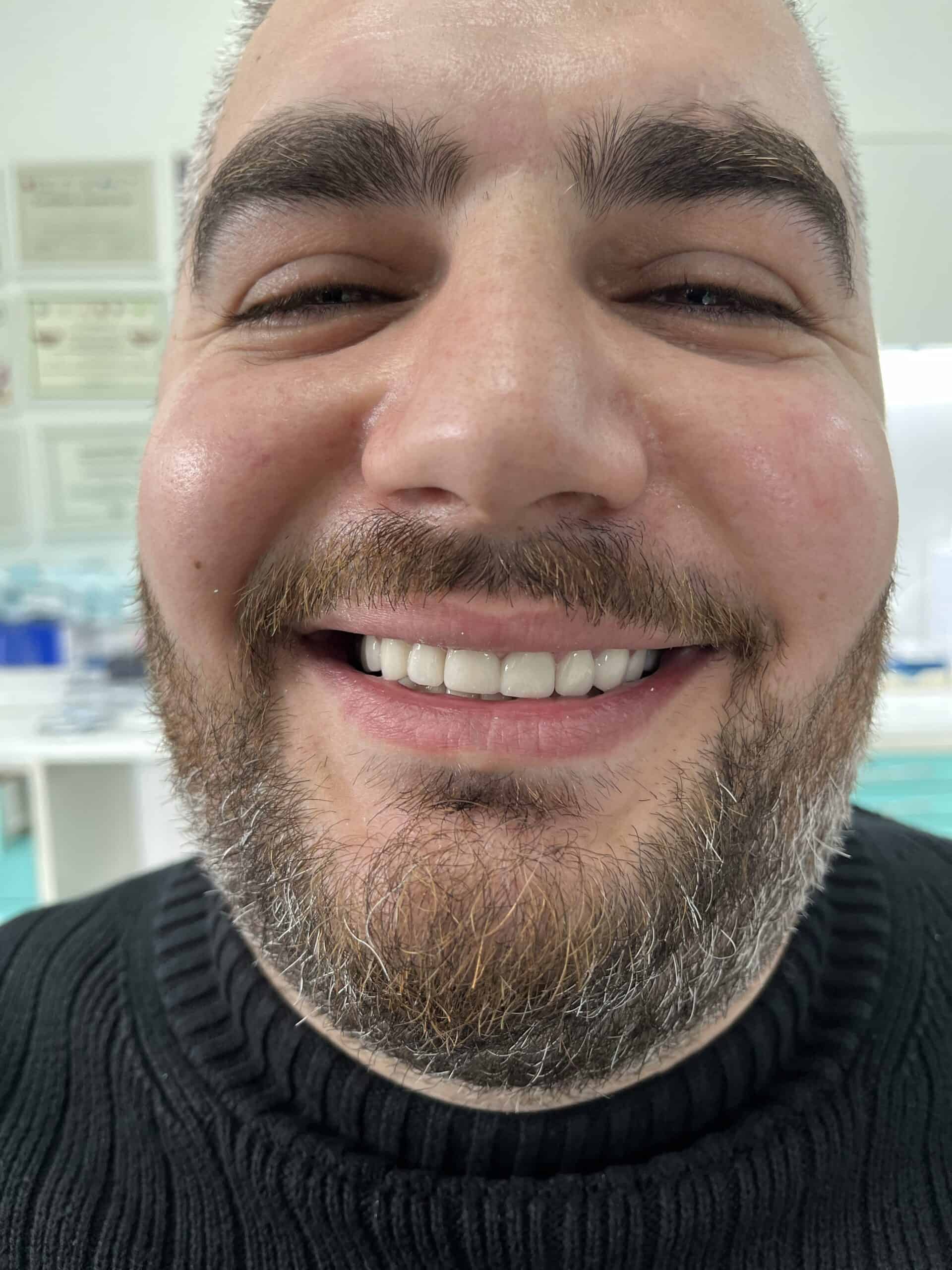
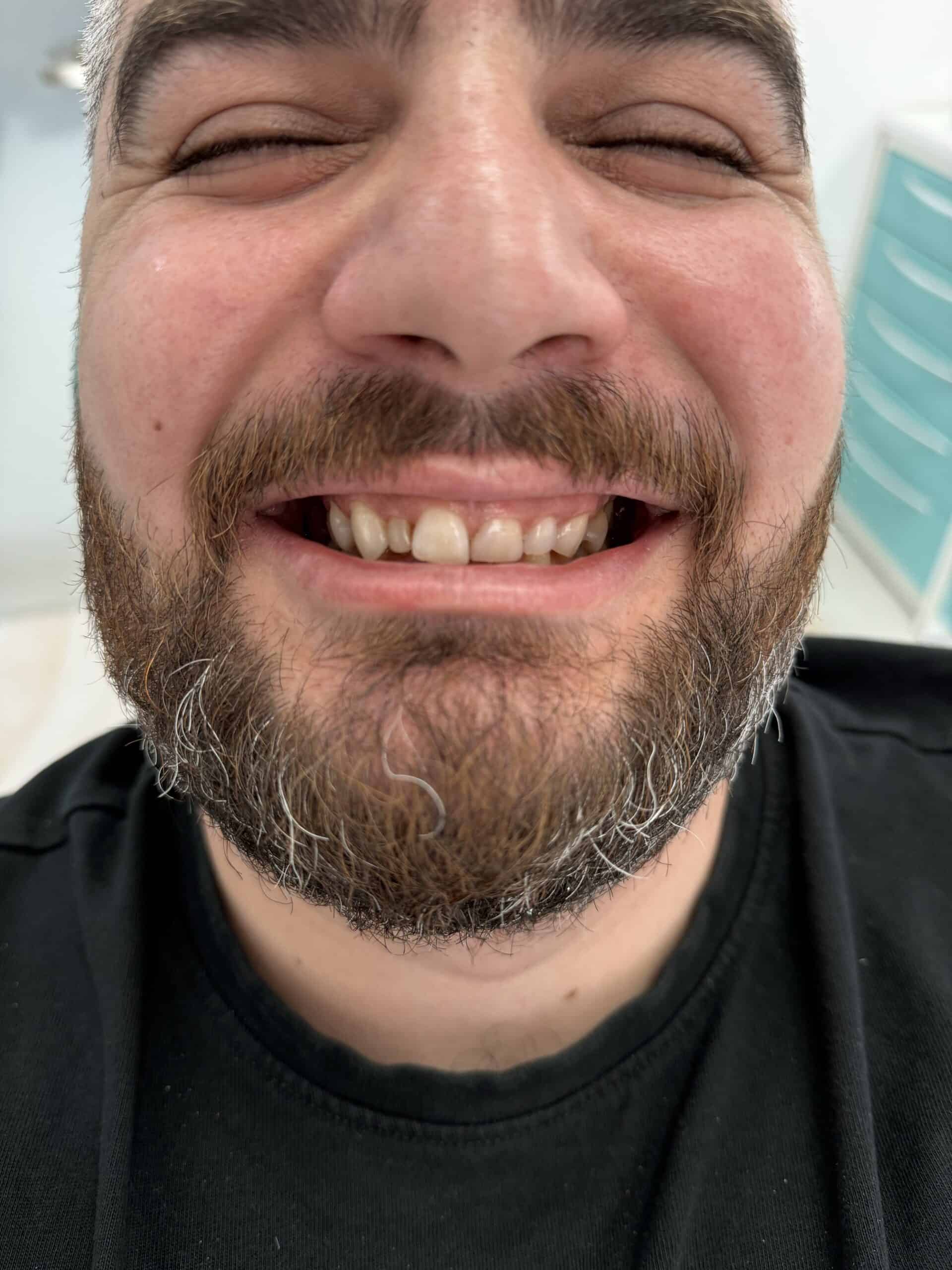
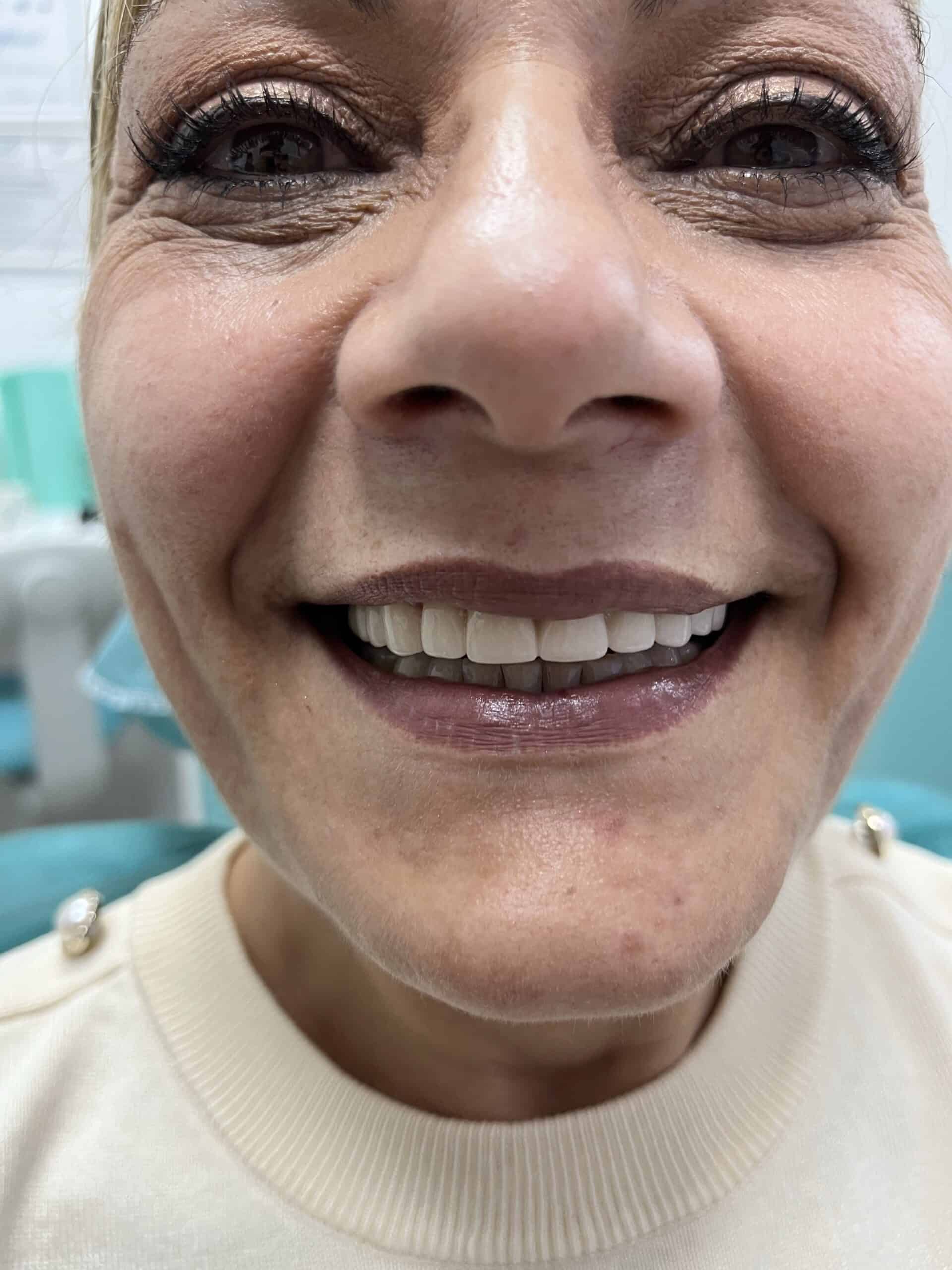
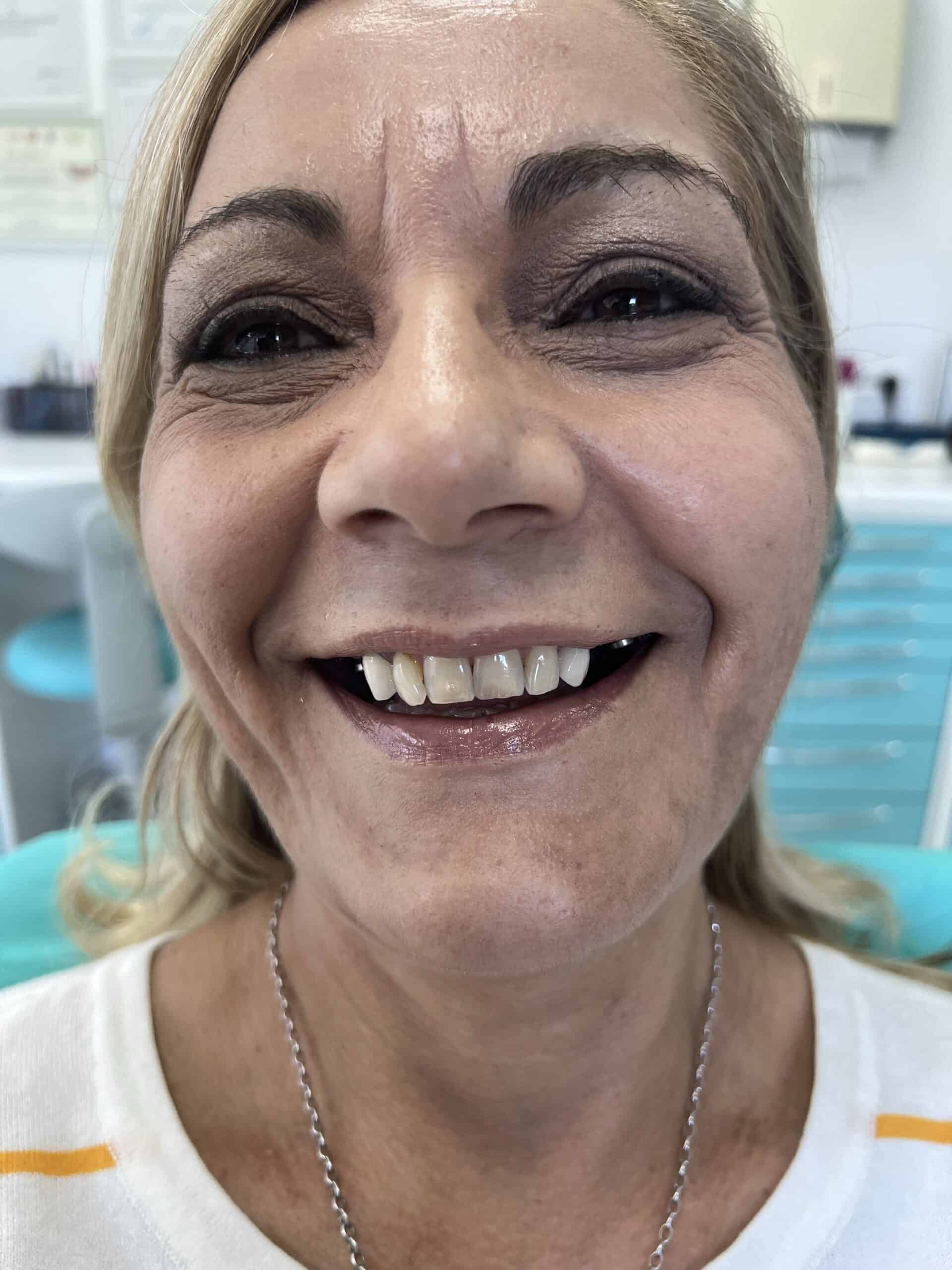
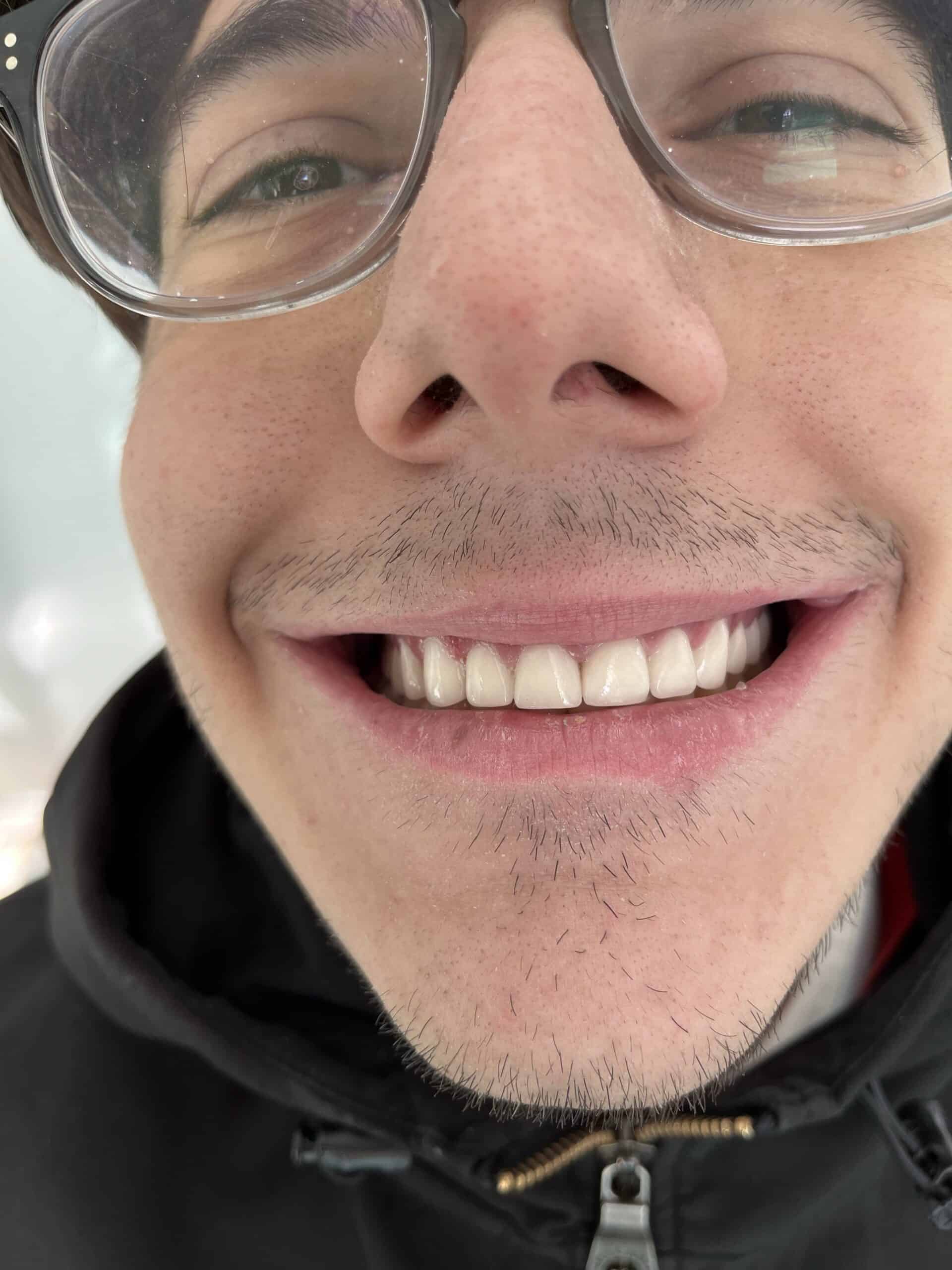
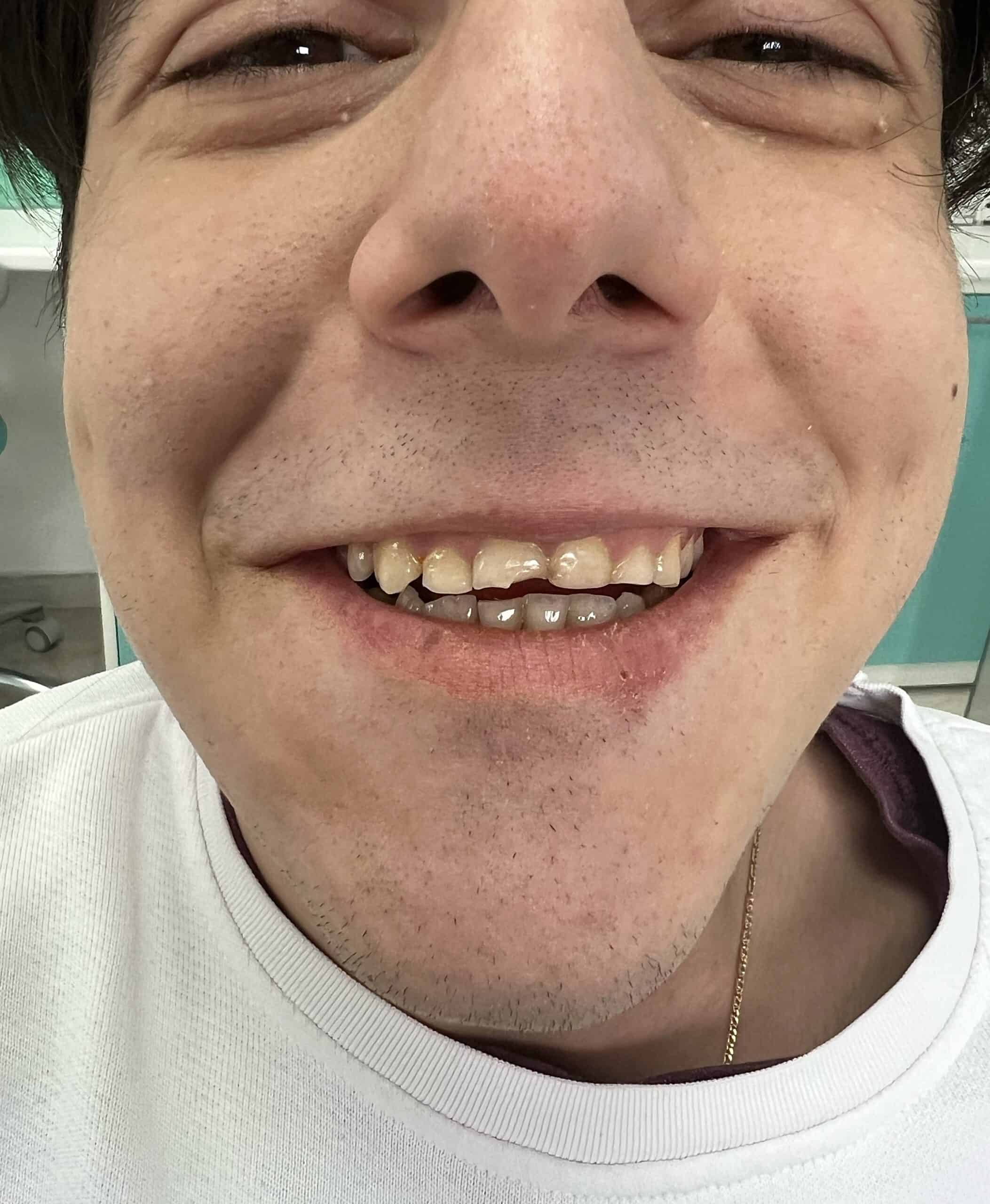
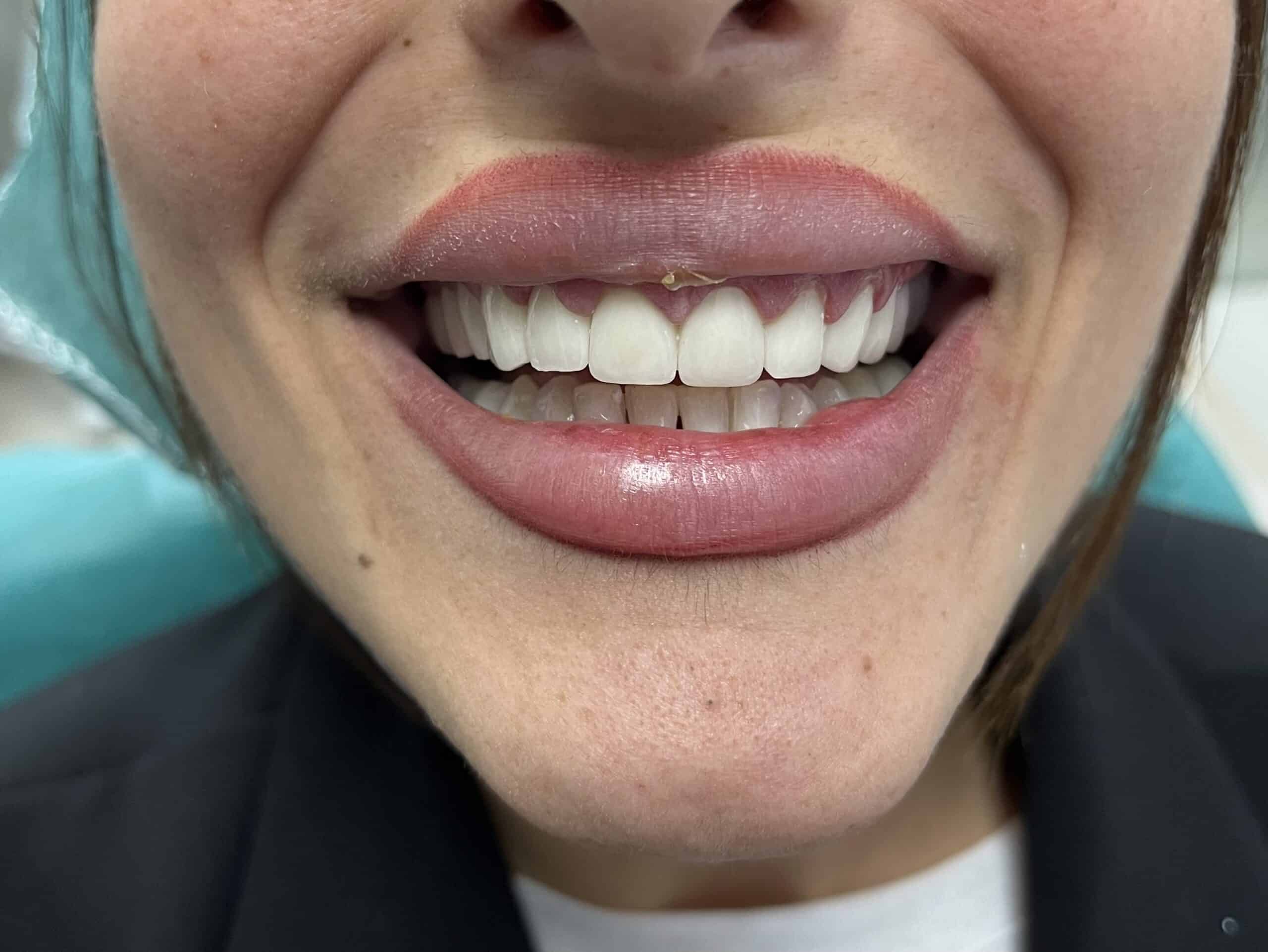
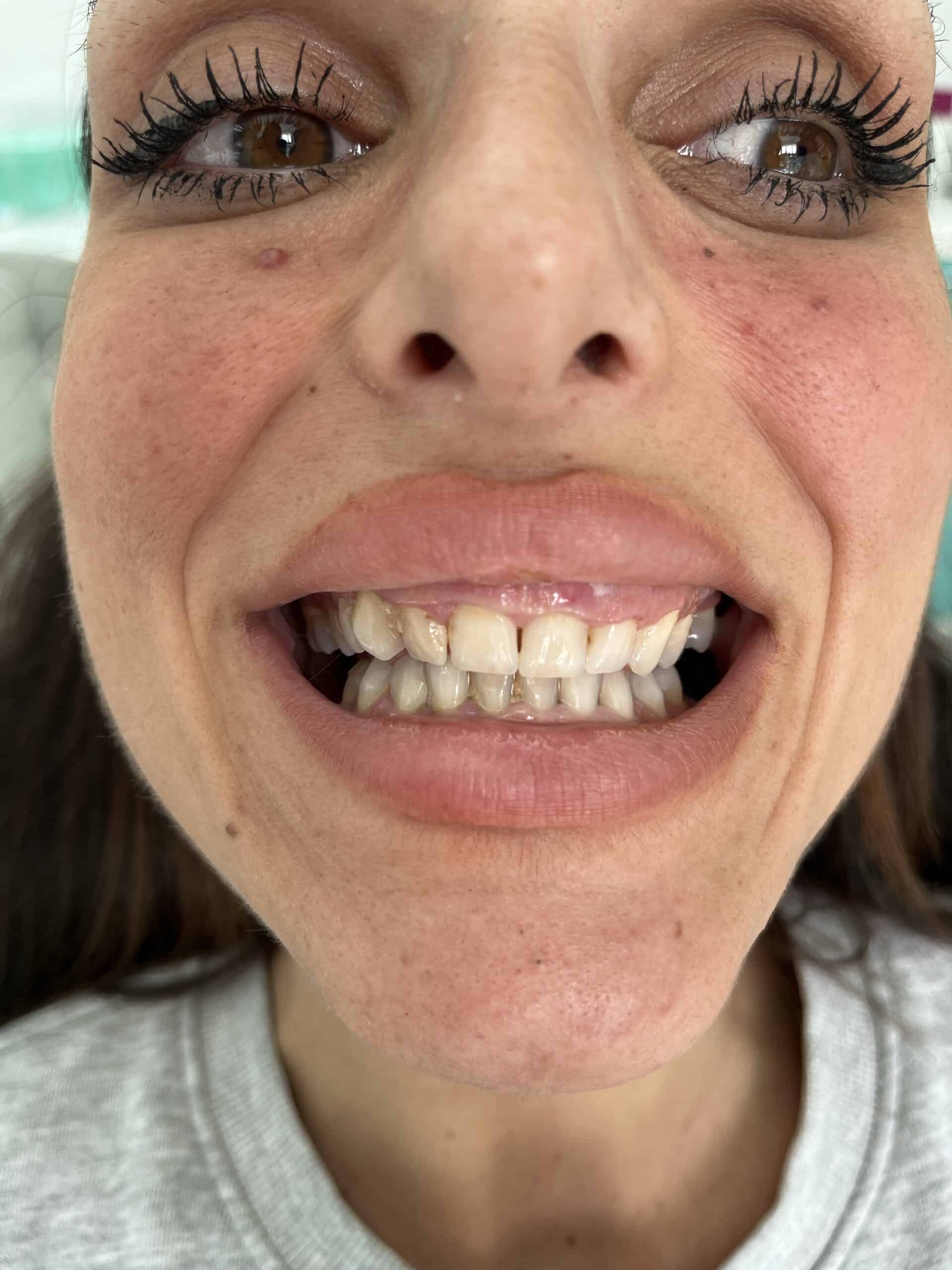
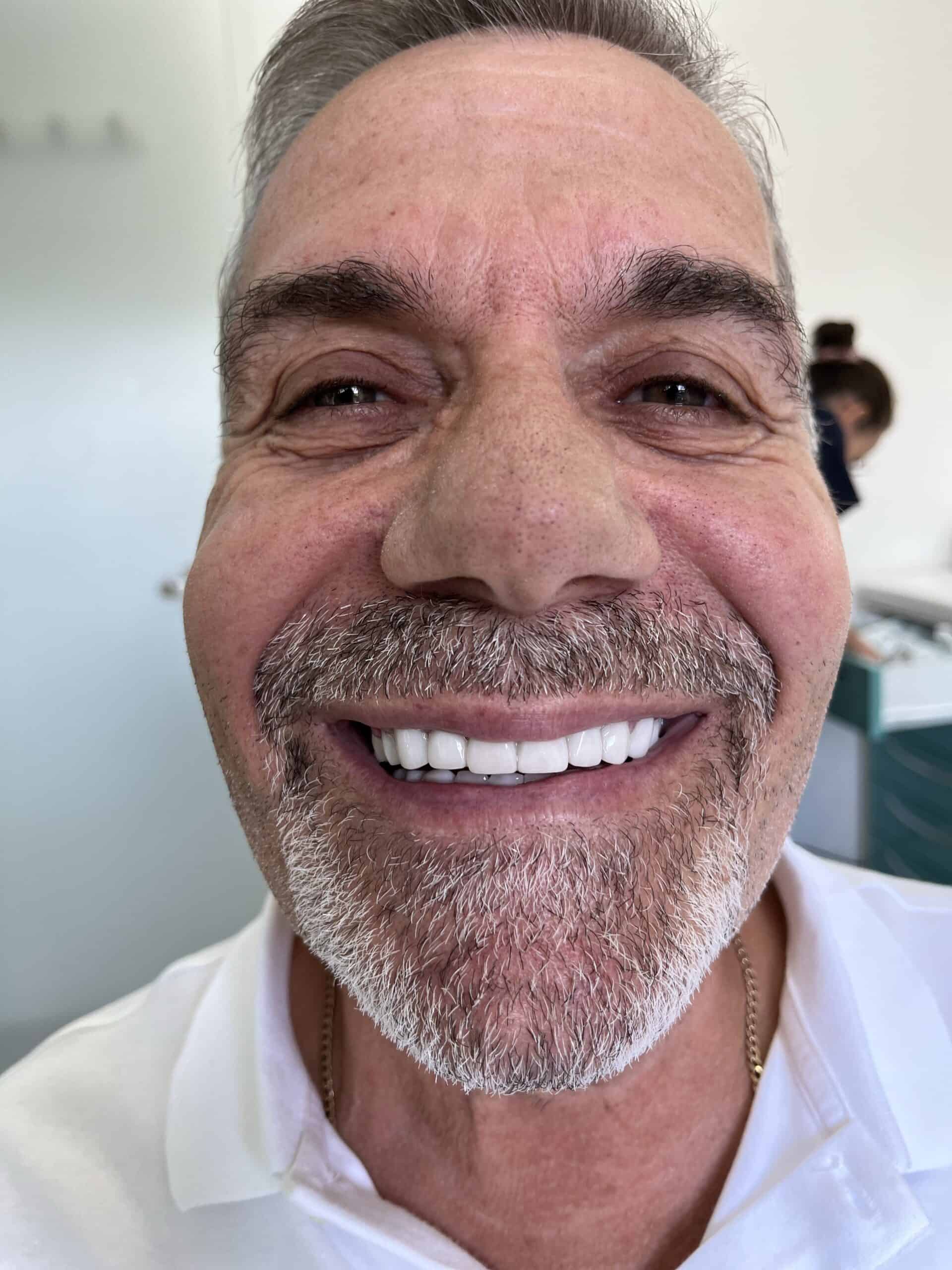
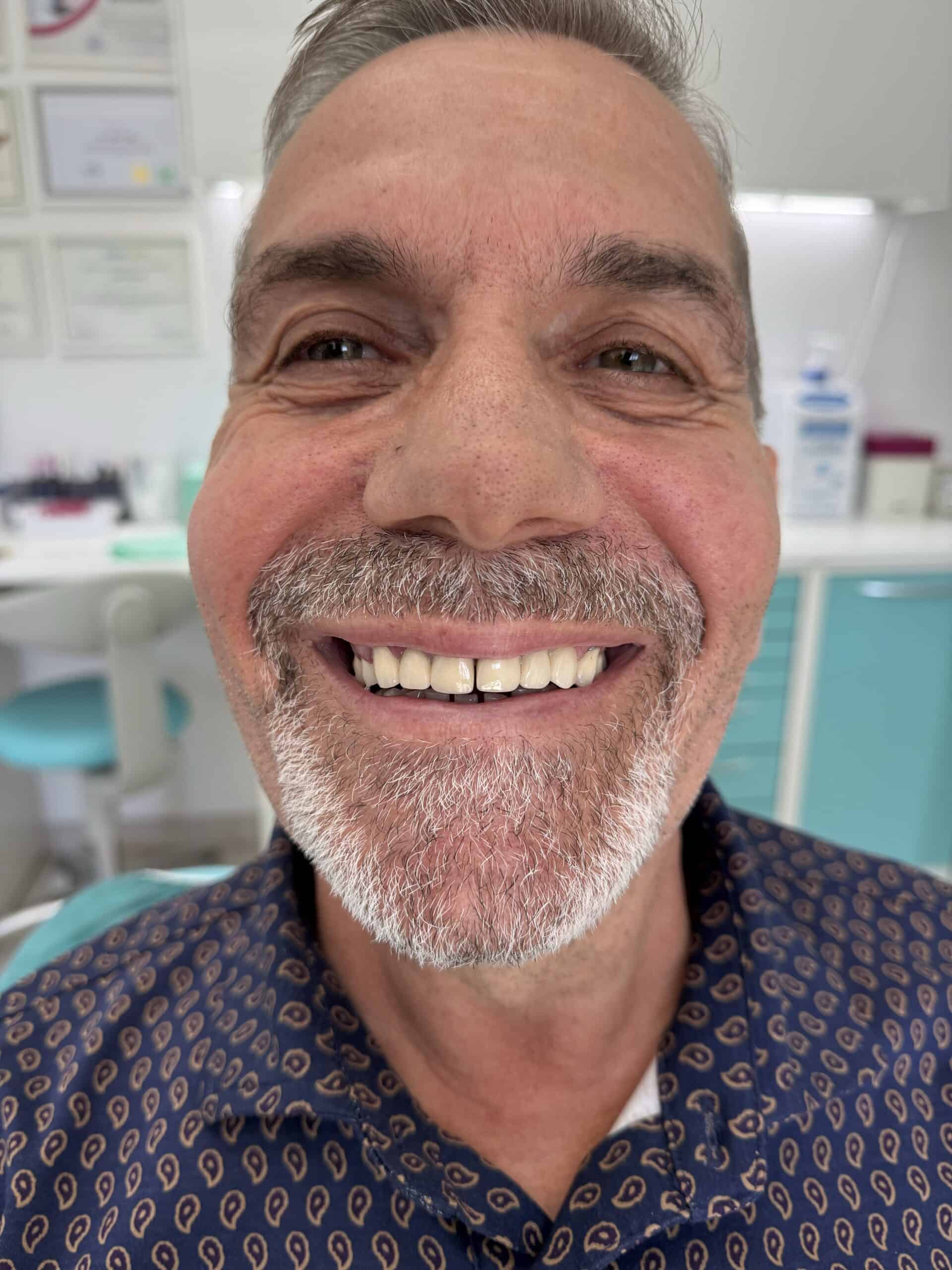
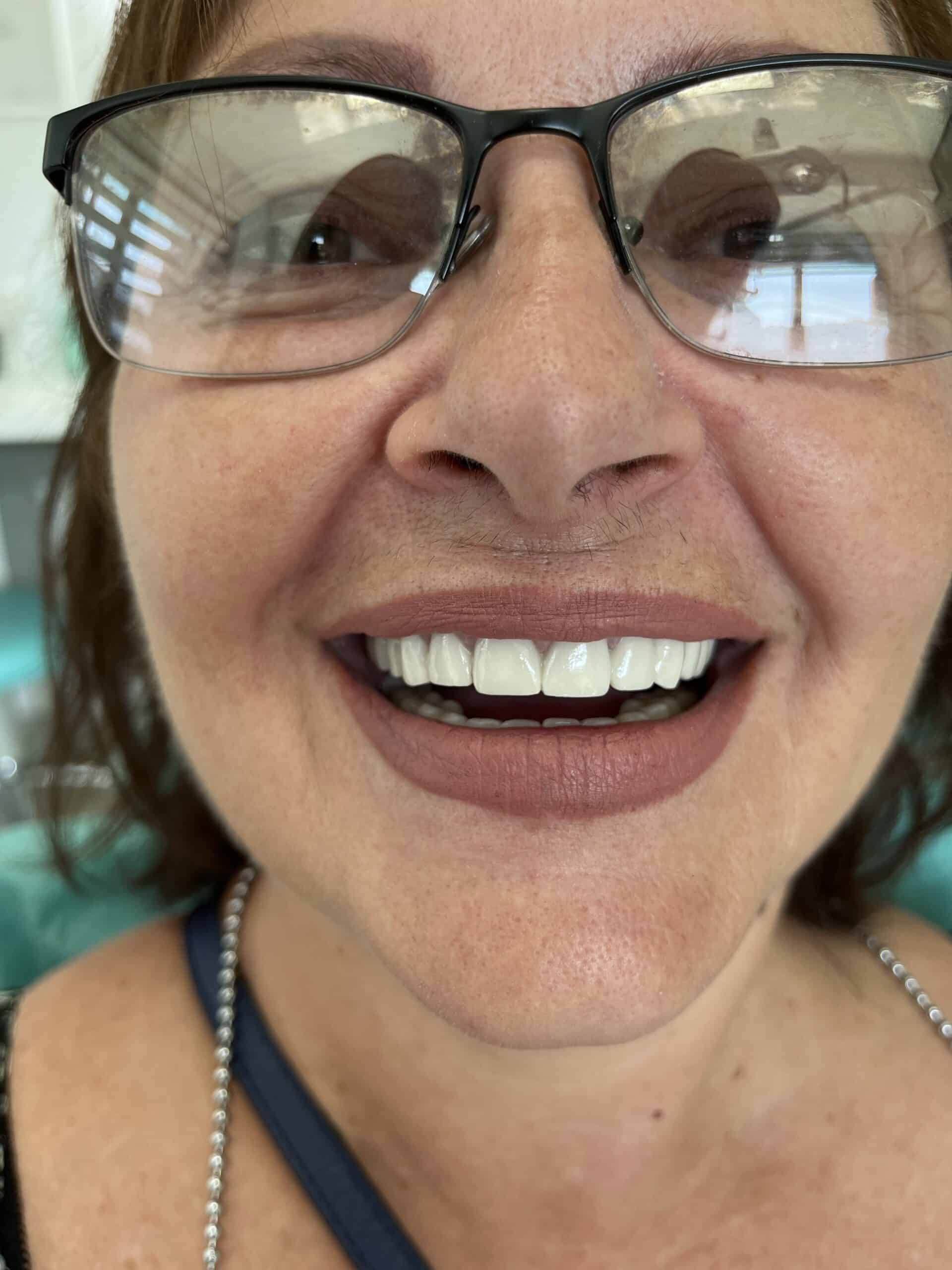
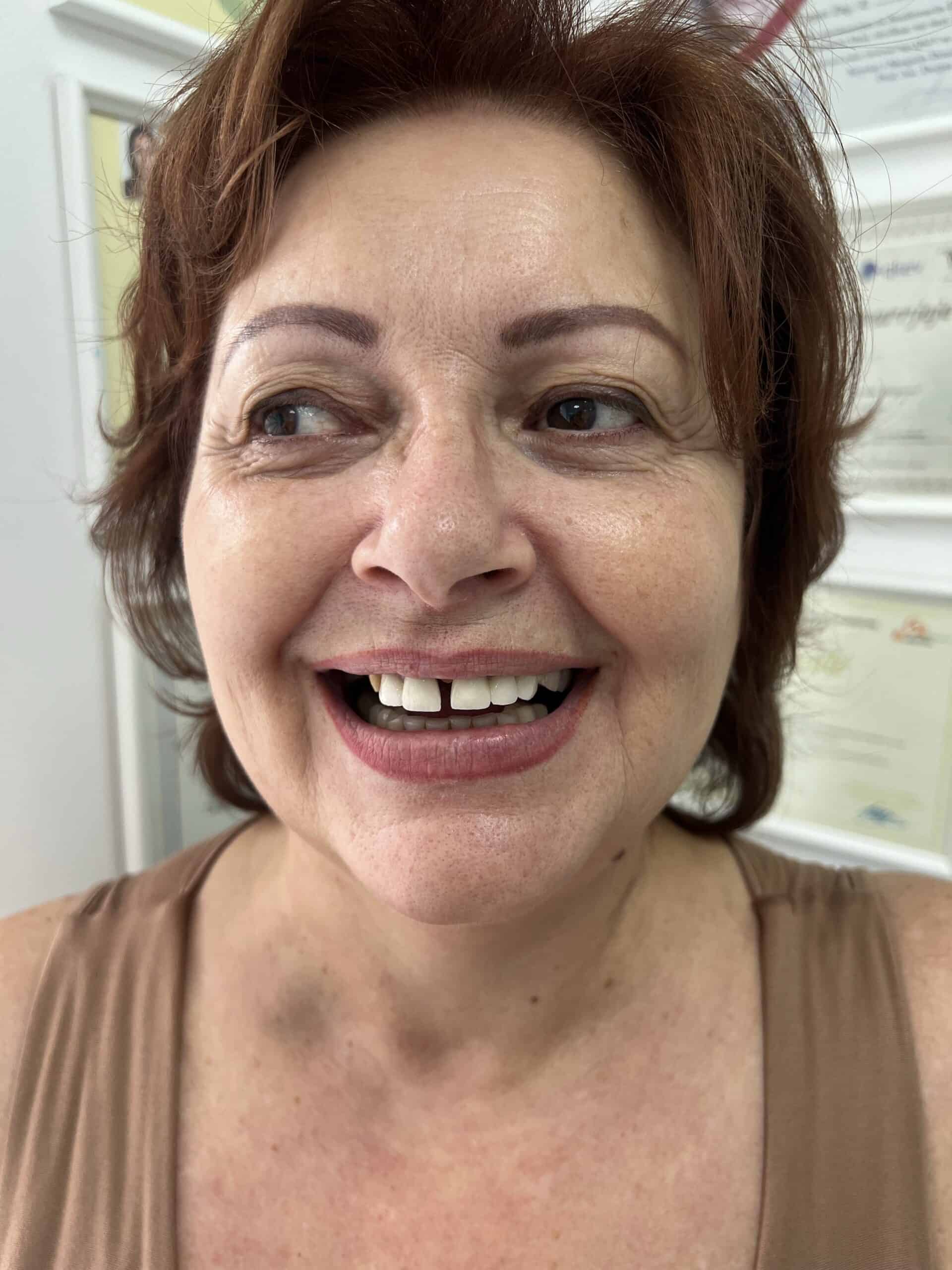
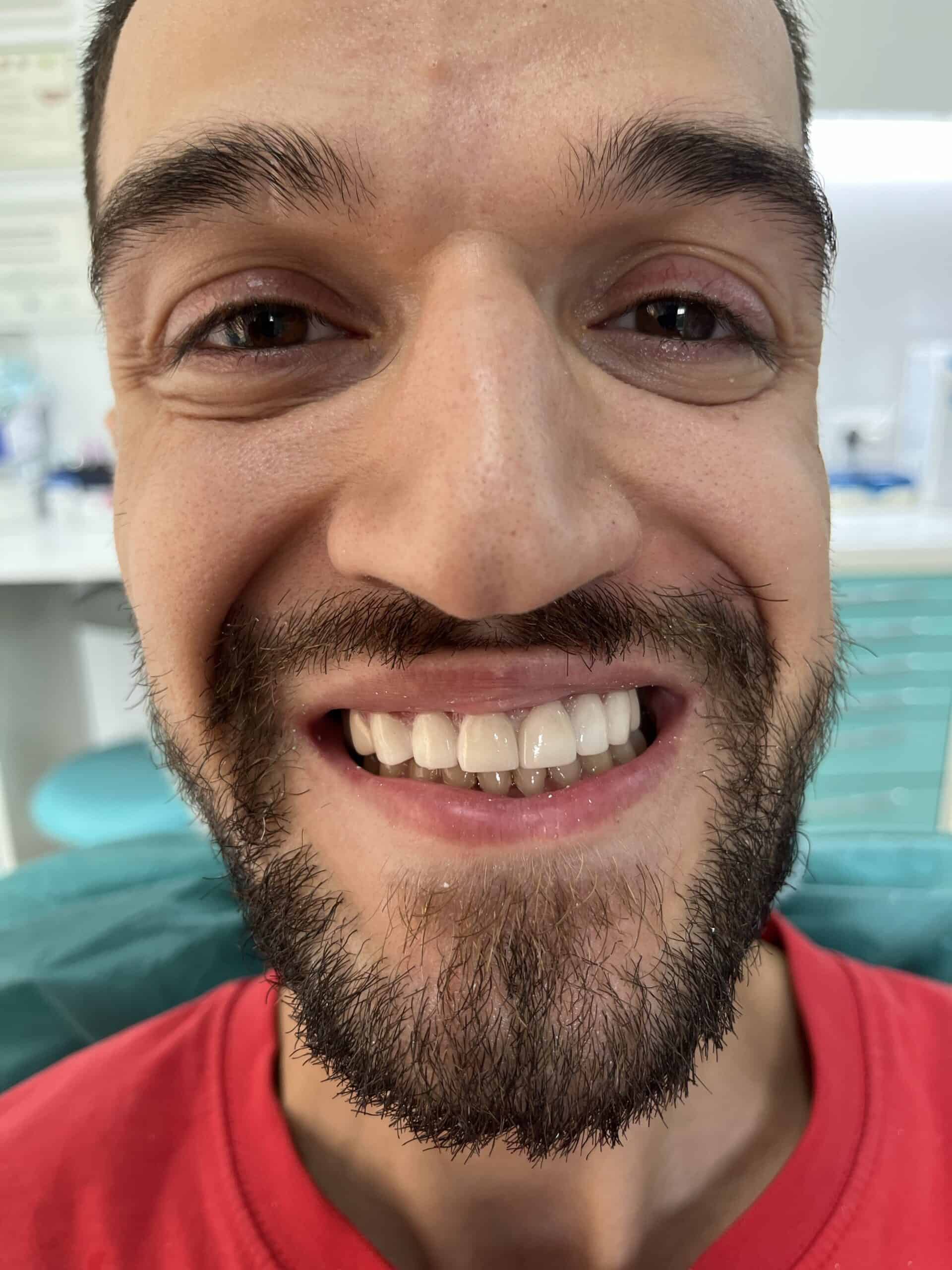
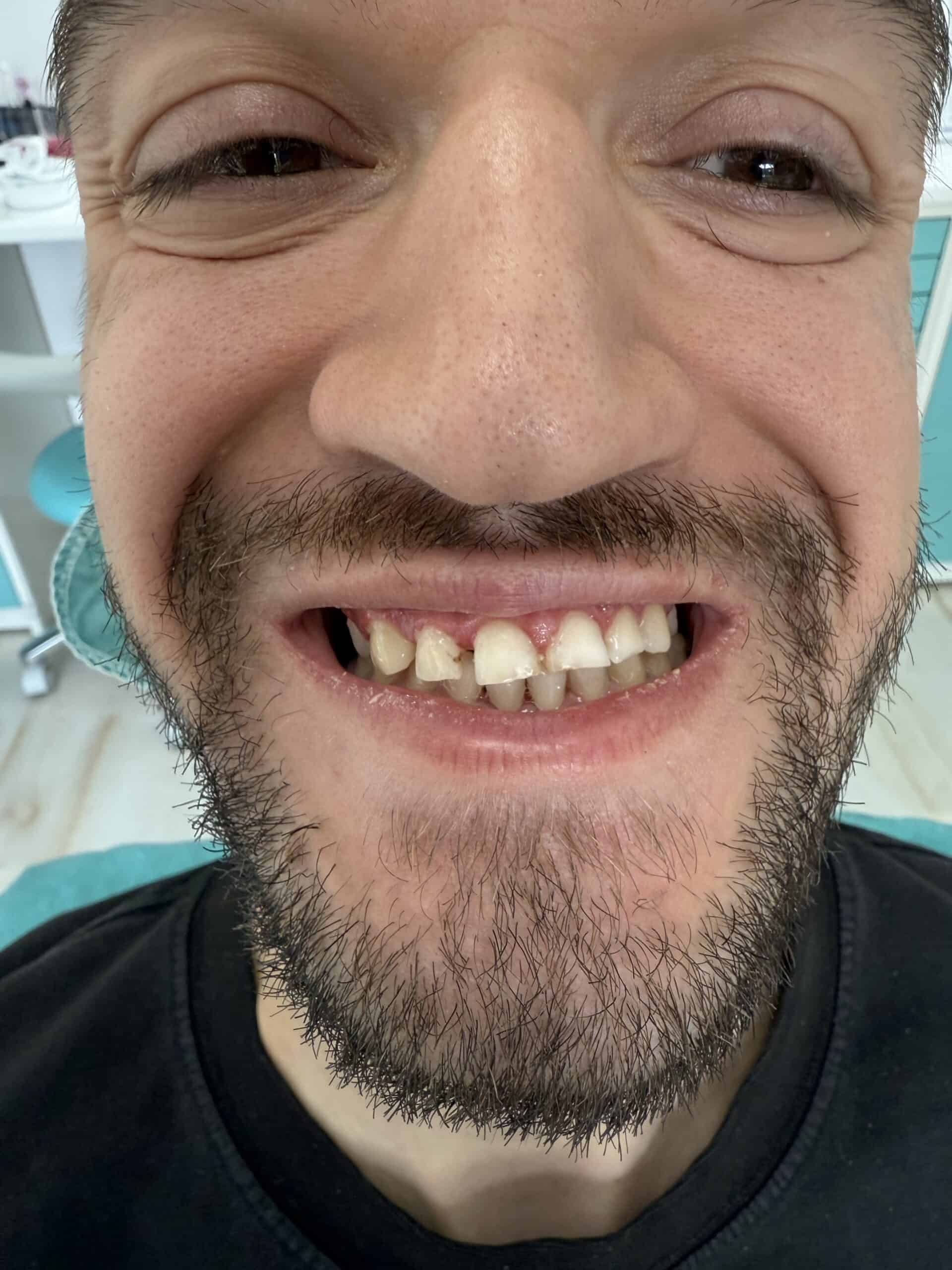
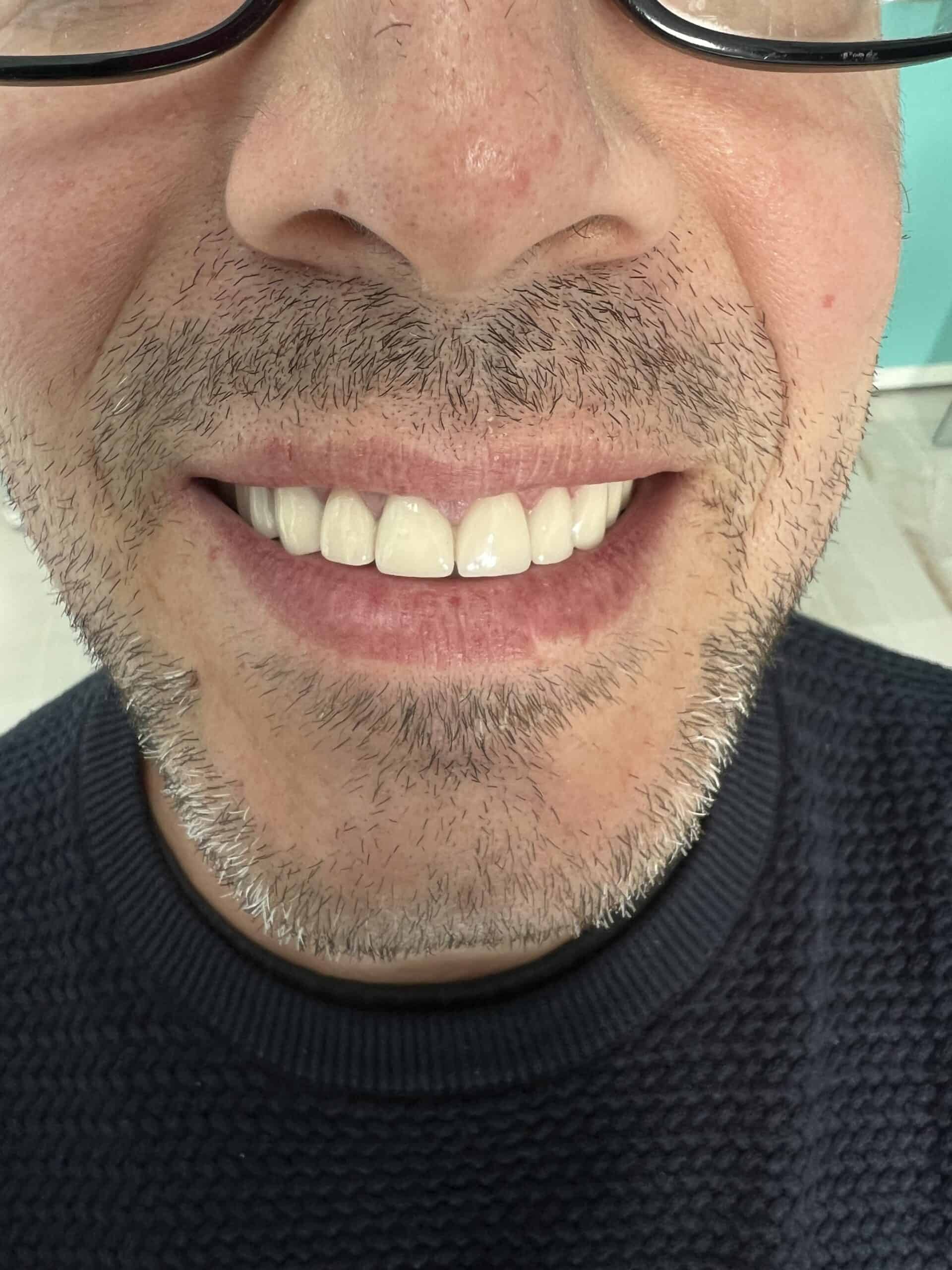
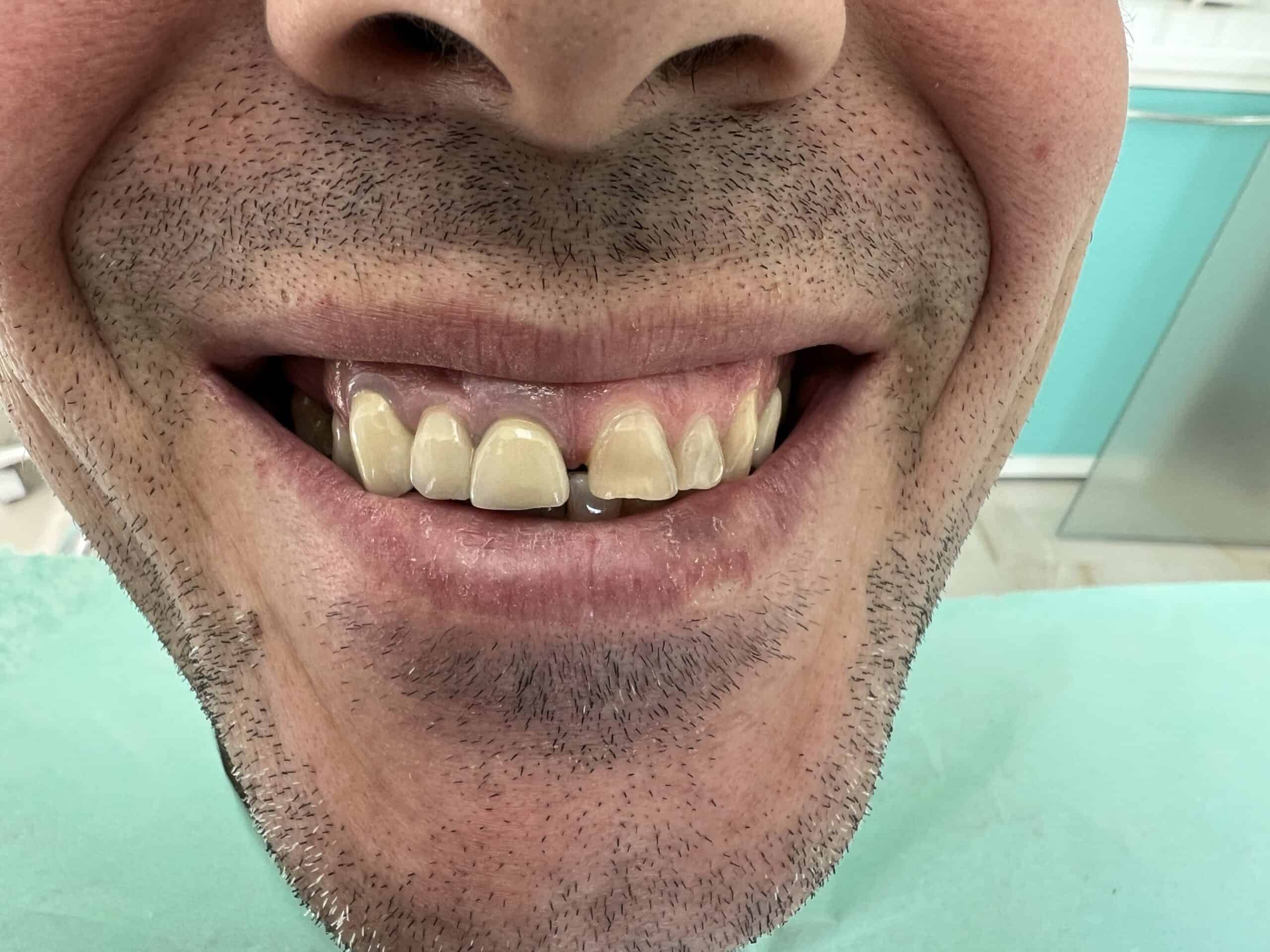
Our Patients’ Testimonials | Before and After
Scaling & Curettage — Deep Cleaning That Reaches Where Brushing Cannot
Professional scaling and root planing — commonly called deep cleaning or curettage — is the cornerstone of periodontal treatment. It is the most clinically proven non-surgical intervention for gum disease, and when performed correctly, it remains the most effective.
What scaling does
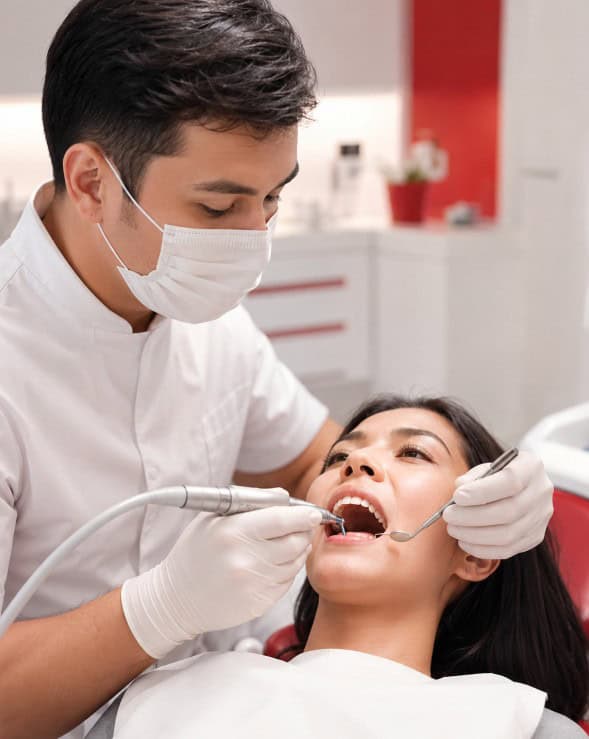
Standard professional cleaning (prophylaxis) removes plaque and calculus from the visible surfaces of the teeth and just below the gumline. Scaling goes further. When gum disease has caused the gum tissue to detach from the tooth and form periodontal pockets — spaces where bacteria accumulate out of reach of any toothbrush — scaling instruments, both ultrasonic and hand-operated, are used to clean these pockets thoroughly, removing hardened calculus and bacterial deposits from the root surface.
What curettage adds
Root planing (curettage) smooths the root surface after scaling. A rough root surface harbours bacteria more easily and makes it harder for the gum tissue to reattach. By planing the root until it is clean and smooth, the procedure creates the optimal biological conditions for the gum to heal and close down around the tooth, reducing pocket depth and halting bone loss.
At KissDent, this procedure is always performed under local anaesthesia for complete patient comfort. Depending on the severity and the number of teeth involved, treatment is typically carried out in two to four sessions, working on one quadrant of the mouth at a time. This approach allows each treated area to begin healing before the next is addressed.
After your deep cleaning, we reassess the pocket depths at a follow-up appointment. In mild to moderate cases, scaling and curettage alone is enough to bring the disease under control. In more advanced cases, it forms the essential first phase before any further treatment.
What to expect
Lifetime guarantee
Full dental tourism support
Certified surgeons
Aftercare and warranty included
The smile you want, now closer to you!
Transform your smile with our all-inclusive dental packages, which include treatment, airport transfer and accommodation.

Dental Technology in Albania
Patients Treated
Years of Experience
All-Inclusive Treatments
Recognising the Warning Signs — When to Come In
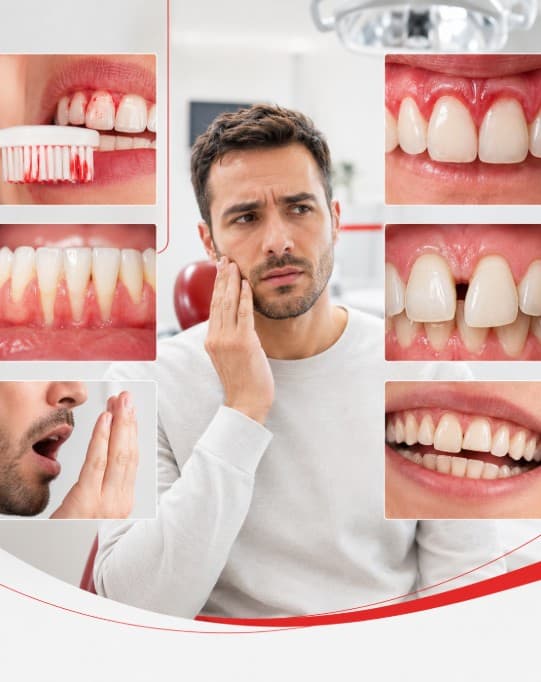
Periodontal disease is largely silent in its early and intermediate stages. By the time pain appears, the disease is usually advanced. Do not wait for pain as your signal. Come in if you notice any of the following:
Gums that bleed when brushing or flossing, even if only occasionally. Gums that appear to have pulled back from the teeth, making them look longer than usual. Persistent bad breath that returns quickly after brushing. Teeth that feel slightly loose or have shifted position. Swelling, redness, or tenderness in the gum tissue. A change in how your teeth fit together when you bite.
Any one of these is reason enough for a periodontal assessment.
Our trusted brands:











Gingivitis & Periodontitis Treatment — Stopping the Disease at Every Stage
Gum disease exists on a spectrum, and the treatment approach is calibrated to the stage. Understanding the difference between gingivitis and periodontitis matters — because gingivitis is fully reversible, while periodontitis, once established, requires ongoing management to prevent further progression.
Gingivitis — the reversible stage
Gingivitis is inflammation of the gum tissue caused by plaque accumulation at the gumline. The gums are red, swollen, and bleed easily. At this stage, the bone and connective tissue anchoring the teeth are not yet affected. With professional cleaning and improved home hygiene, gingivitis resolves completely — there is no permanent damage.
Most patients with gingivitis do not realise they have it, because it is painless. The bleeding is often dismissed as normal. It is not. Healthy gums do not bleed. If yours do, this is the moment to act — before the condition advances.
Periodontitis — when infection reaches the bone
If gingivitis is left unaddressed, the bacterial infection spreads below the gumline, triggering an immune response that, over time, destroys the bone and connective tissue supporting the teeth. Periodontal pockets deepen, the gums recede, teeth may become mobile, and without intervention, tooth loss becomes inevitable.
Periodontitis is classified by severity — mild, moderate, or severe — and by pattern, whether it is generalised across the mouth or localised to specific areas. At KissDent, every periodontitis case is diagnosed with periapical X-rays and, where indicated, a full periodontal chart mapping pocket depths around every tooth. This gives us a precise picture of the disease before any treatment begins.
Treatment of established periodontitis always begins with scaling and root planing as the non-surgical foundation. In more advanced cases, or where pockets remain deep after the initial healing period, this may be combined with laser therapy to eliminate residual bacteria and promote tissue regeneration. Surgical options exist for the most severe presentations, though the majority of patients respond well to non-surgical protocols when treatment is carried out thoroughly and followed by diligent maintenance.
Periodontal maintenance matters as much as the initial treatment. After active treatment, we schedule regular supportive appointments — typically every three to six months — to monitor pocket depths, reinforce home care techniques, and prevent relapse. This is not optional follow-up; it is the phase that determines whether the results of treatment last.
Systemic connections you should know about
Research consistently links untreated periodontitis to a range of systemic health conditions including cardiovascular disease, poorly controlled diabetes, and adverse pregnancy outcomes. This does not mean gum disease causes these conditions — the relationship is complex — but it does mean that treating periodontitis has implications beyond your mouth. We take this seriously and, where relevant, communicate with our patients’ wider healthcare providers.
Laser Therapy — Precision Treatment for Gum Disease Without Surgery
Dental laser therapy has become an increasingly important component of periodontal treatment over the past decade, and at KissDent it is used as a targeted adjunct — not a replacement for the clinical fundamentals, but a precision tool that extends what those fundamentals can achieve.
How laser therapy works in periodontology
The laser energy targets the bacteria and infected tissue within periodontal pockets with a level of selectivity that mechanical instruments alone cannot match. It destroys bacterial cells and decontaminates the pocket environment, while leaving healthy tissue largely unaffected. In addition, laser energy stimulates the regenerative processes of the surrounding tissue — promoting reattachment of the gum to the tooth root and, in some cases, supporting new bone formation in areas of loss.
What laser treatment involves
The procedure is minimally invasive. A thin fibre-optic tip is introduced gently into the periodontal pocket, where it delivers precise laser energy along the root surface and pocket wall. Most patients experience little to no discomfort during the procedure, and there is no cutting, no sutures, and no significant post-operative recovery period.
At KissDent, laser therapy is used in the following periodontal contexts:
As an adjunct to scaling and curettage in moderate to severe periodontitis, to decontaminate pockets that mechanical instruments have already cleaned. In cases of persistent infection after conventional deep cleaning where residual bacteria are sustaining the disease. For patients who are medically compromised or taking anticoagulant medication, where a more conservative, minimally invasive approach is preferred. In the management of aggressive forms of periodontitis, where the bacterial load and inflammatory response are particularly intense.
What it does not replace
Laser therapy is not a standalone cure for periodontitis, and we are straightforward about this with our patients. It does not replace the mechanical removal of calculus and bacterial deposits — scaling must still be performed. What it adds is a deeper level of bacterial elimination and a biological stimulus for healing that supports better and more stable outcomes, particularly in advanced cases.
Contact us for a free online evaluation and a personalized dental plan!
Contact Us for a Free Consultation
Contact
Message or call us and tell us what you would like to change about your smile. You can send photos, videos, or a recent X-ray so our team can better understand your case.
Consultation
Our dentists will review your details and recommend the best treatment options for you. You’ll receive a clear plan, estimated timeline, and transparent pricing before making any decision.
The Journey
Once your treatment is confirmed, we help organize your visit. From airport pickup to your first clinic appointment, our team will guide you and make everything feel easy.
Treatment
Your treatment begins with a full in-clinic examination and final smile planning. Our dentists then work carefully to create a healthy, natural-looking smile you can feel confident about.
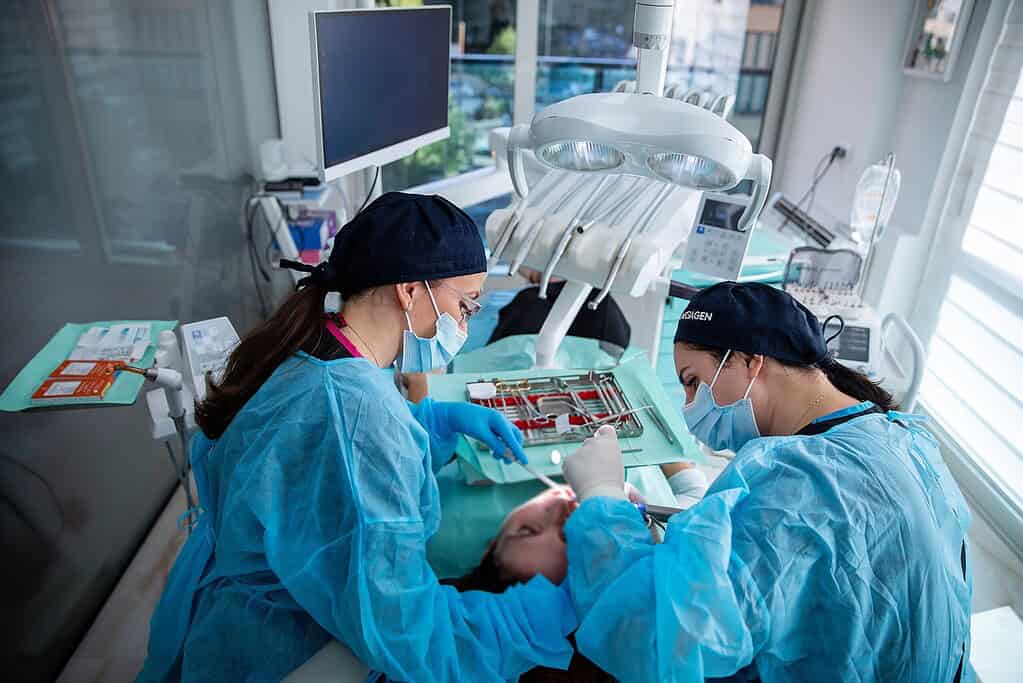
Why Treat Gum Disease at KissDent?
KissDent has been treating the full spectrum of dental disease since 1976. Our approach to periodontics is built on clinical thoroughness — accurate diagnosis before any treatment begins, protocols adapted to the individual case, and a commitment to honest communication at every stage.
We do not offer a single protocol for every patient. A 35-year-old with early gingivitis and a 58-year-old with generalised stage III periodontitis need fundamentally different approaches, and we treat them accordingly. Our team uses European-standard instruments and materials throughout, and every patient receives detailed home care guidance because we understand that the best periodontal treatment in the world is undermined by inadequate daily hygiene.
For international patients, we design periodontal treatment plans that can be realistically completed across a single visit or coordinated across multiple trips. We provide full documentation of your periodontal charting and treatment for continuity with your dentist at home.
Trusted by patients from all over the world, KissDent is committed to making every journey to a smile as comfortable, clear, and worthwhile as possible.

Sono stato ospite presso la clinica Kissdent di Tirana la scorsa settimana per effettuare degli impianti. Sono rimasto a dir poco sorpreso per la cortesia, la disponibilità, la gentilezza e la professionalità dei medici e di tutto il personale dipendente. Sono stato accolto all’aeroporto dal proprietario della clinica e dall’interprete con molta simpatia e familiarità. Prima di raggiungere la clinica avevo qualche dubbio ma, mi sono ricreduto da subito, quando ho assaporato la tendenza positiva che anima gli operatori (tutti, nessuno escluso). Ho trovato due dottoresse molto pazienti che mi hanno fatto sentire a mio agio e mi hanno ben consigliato sui lavori da eseguire. L’interprete straordinaria, non mi ha mai abbandonato (in caso di difficoltà durante il soggiorno potevo raggiungerla telefonicamente ricevendo sempre grande disponibilità e competenza). Mi sono trovato davvero molto bene. Tornerò volentieri a Gennaio per continuare le cure col piacere di incontrare ciascuno/a di loro.
Siamo stati in questa clinica x fare gli impianti, appena arrivati avevamo molti dubbi e ansia non conoscendo nessuno non sapevamo a chi ci stessimo affidando, poi tutto è svanito appena abbiamo conosciuto Berti, Vera, Alba, Renata e il resto dello staff tutti molto gentili disponibili e professionali, non credevamo che in meno di una settimana avremmo fatto metà del lavoro quando in Italia ci sarebbero voluti anni. Siamo rimasti molto contenti per il lavoro svolto, ritorneremo tra pochi mesi per completare il lavoro. Grazie infinitamente
Compliments to the entire team. Very professional, respect your time and plan around your need. They pick you up from the airport and drop you off as well. Came here with my family and my dad decide to do some treatment as well. In 4 days between me and my dad we have done 7 implants. Doctor is so sweet and you wont feel any pain at all. Same goes for extraction and fillings. The whole team is amazing. Located in the heart of the city of Tirana, very clean and like I said NO PAIN AT ALL. Thanks again everyone. See you soon
I went to Kissdent to see about old crowns (30 years old) and recent work that I had done in the EU that I was not happy with. With a panoramic xray (and visual aesthetic check) it was clear what needed to be done.
Fast-forward 2 weeks and I write now, with 9 beautiful new zirconium crowns. They are mostly back molars but one that I worried about most was my left front tooth. I have a difficult tooth colour to match.
Kissdent staff have done a wonderful job. The clinic and lab are located on the same premises so they are able to adjust the tooth colour and overall bite precisely.
All excellent quality work and material for a very reasonable price. Unbeatable in Europe and North America.
Kissdent clinic is pristine in terms of cleanliness, ambient and warm in atmosphere….but the best is the staff and the relief you feel knowing that you are in good hands. They are very professional and communicative (in english and several other languages). They take the time and do not rush you through.
They can do any form of dentistry…from cosmetics to implants and orthodontics but they do not try to sell you more services than you need. They respect strong and healthy teeth.
Thank you all very much for your great service and for my new smile!!!
Ich bin zum dritten Mal in der Praxis Kiss Dent. Ich bin absolut begeistert!
Ich hab ein Implantat am Frontzahn bekommen. Das war vor einem halben Jahr, die Behandlung war sehr sanft, sehr einfühlsam und ist fantastisch verheilt. Es hat nicht einen Moment wehgetan und ich hab mich jederzeit gut aufgehoben gefühlt.
Die Praxis ist top ausgestattet und die Mitarbeiterin sind alle sehr nett. Die Termine sind pünktlich, es gibt keine Wartezeit und die Arbeit ist absolut akkurat.
Jetzt hat man mir im dortigen Labor zwei Kronen angefertigt, die absolut natürlich und passgenau gearbeitet sind. Wirklich fantastische Arbeit. Die größte Herausforderung, Kronen im Frontbereich, haben die Ärztin und das angeschlossene Labor zu meiner vollsten Begeisterung gemeistert!
Ich kann diese Klinik nur allen sehr ans Herz legen.
Die Reise lohnt sich und ich komme auf jeden Fall wieder.
Get Your 100% Free Personalized Dental Quote
Receive a free personalized quote and discover the best treatment options for your smile. Speak directly with a dentist in Albania! Our specialists at KissDent will provide a free assessment based on your panoramic X-ray and individual dental needs.

Frequently Asked Questions
The most reliable signs are gums that bleed when you brush or floss, gums that appear to have receded or pulled back from the teeth, persistent bad breath that returns shortly after brushing, and any sense that your teeth feel looser than they used to. The important thing to understand is that none of these are always painful — gum disease advances quietly in most people, and by the time discomfort appears the condition is usually well established. If you notice any of these signs, a periodontal assessment is the right next step. Caught early, gingivitis is completely reversible. Left untreated, it progresses to periodontitis, which causes permanent bone loss.
At KissDent the procedure is always carried out under local anaesthesia, so you will not feel pain during treatment. Some patients experience mild sensitivity or a slight achiness in the gum area for a day or two afterwards, which resolves on its own. Most patients are surprised by how manageable the procedure is — the anticipation is almost always worse than the reality. If you have dental anxiety, let us know before your appointment and we will make sure the experience is as calm and comfortable as possible.
This depends entirely on the severity of the disease. A patient with early gingivitis may need only a single professional cleaning combined with improved home care. A patient with moderate to advanced periodontitis will typically require two to four deep cleaning sessions, working quadrant by quadrant, followed by a reassessment appointment four to six weeks later to evaluate the healing response. Where laser therapy is incorporated, this is usually performed in the same sessions as deep cleaning. We map out the full treatment plan after your initial assessment, so you know exactly what to expect before anything begins.
Yes — and this is one of the most important things we tell every periodontal patient. Periodontitis is a chronic condition, which means that once you have had it, you are more susceptible to recurrence than someone who has never developed it. Successful treatment brings the disease under control; it does not eliminate the underlying susceptibility. This is why periodontal maintenance appointments every three to six months are not just a recommendation — they are a clinical necessity. At these visits we monitor pocket depths, remove any new calculus before it causes harm, and reinforce your home care technique. Patients who commit to this maintenance programme have significantly better long-term outcomes than those who return only when symptoms reappear.