Cosmetic Fillings & Composite Bonding in Albania | KissDent Tirana
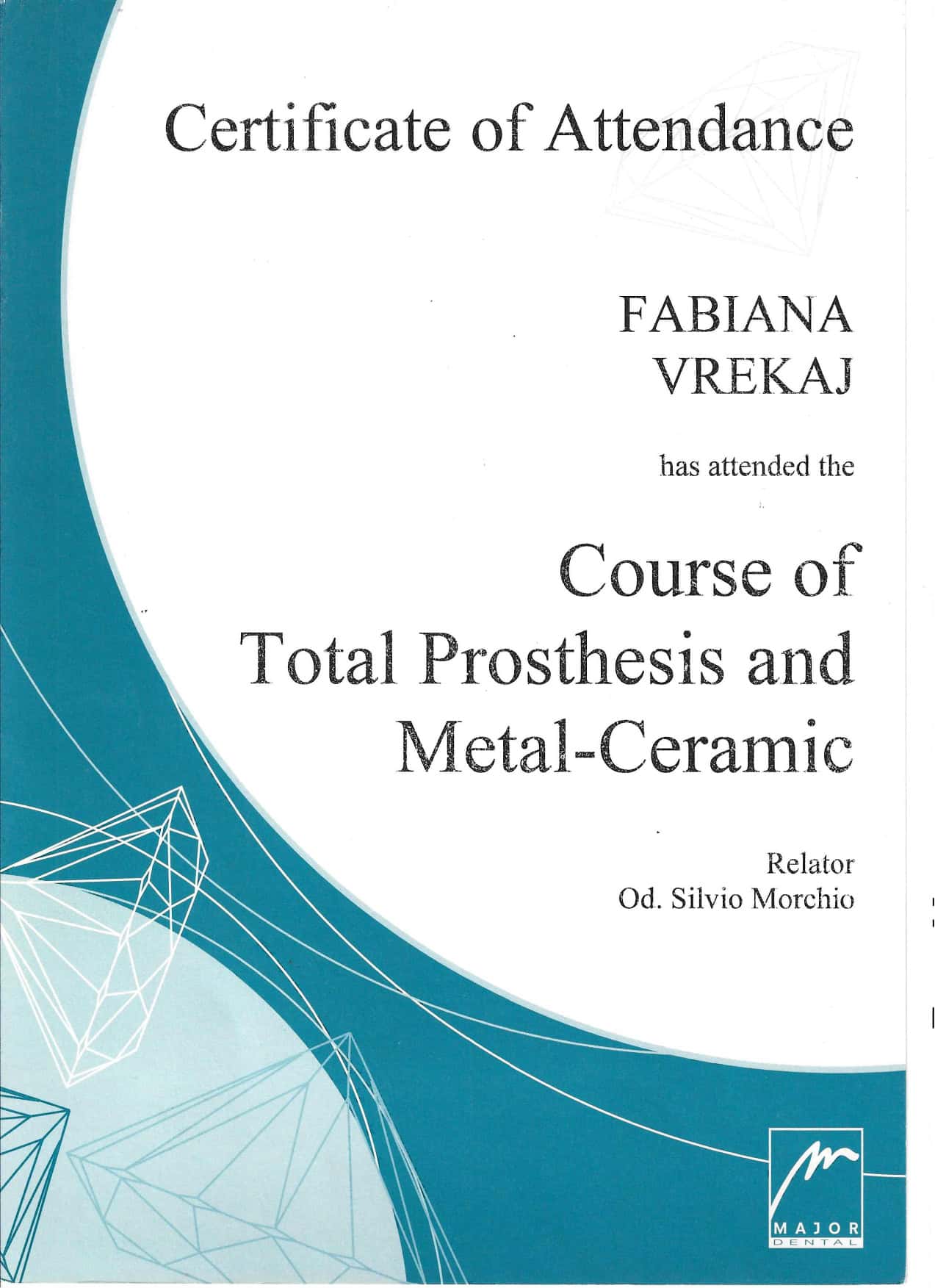
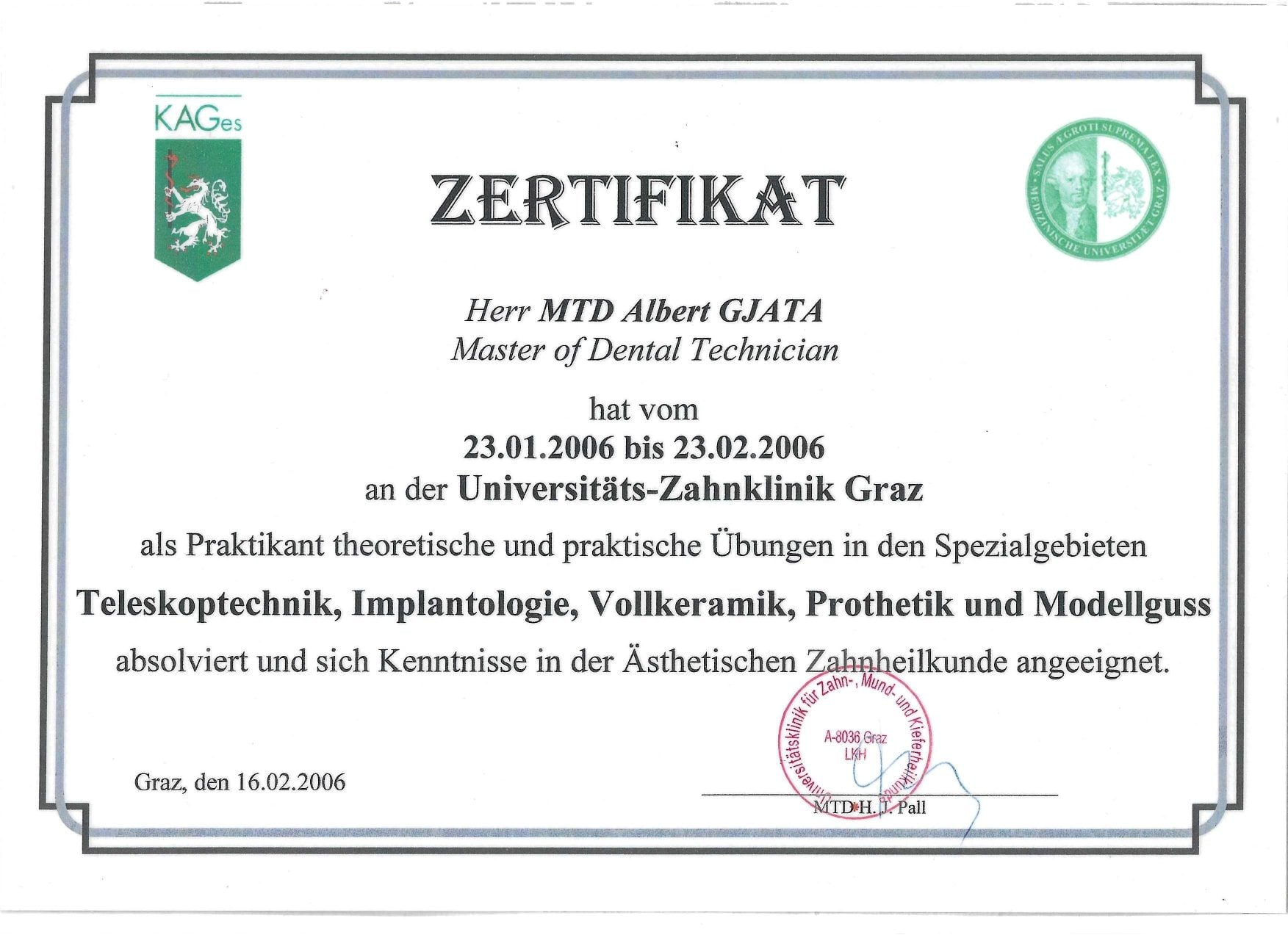
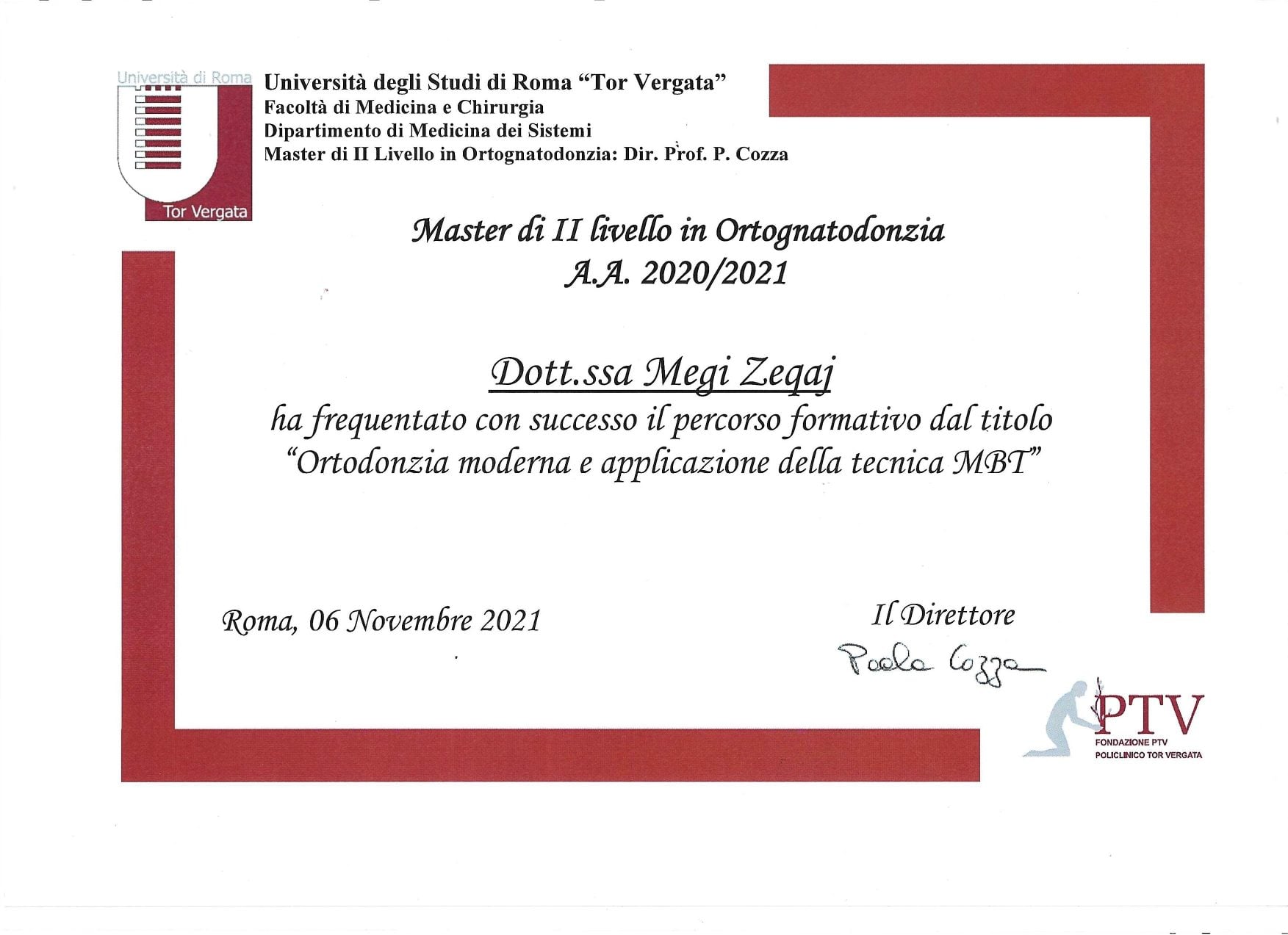
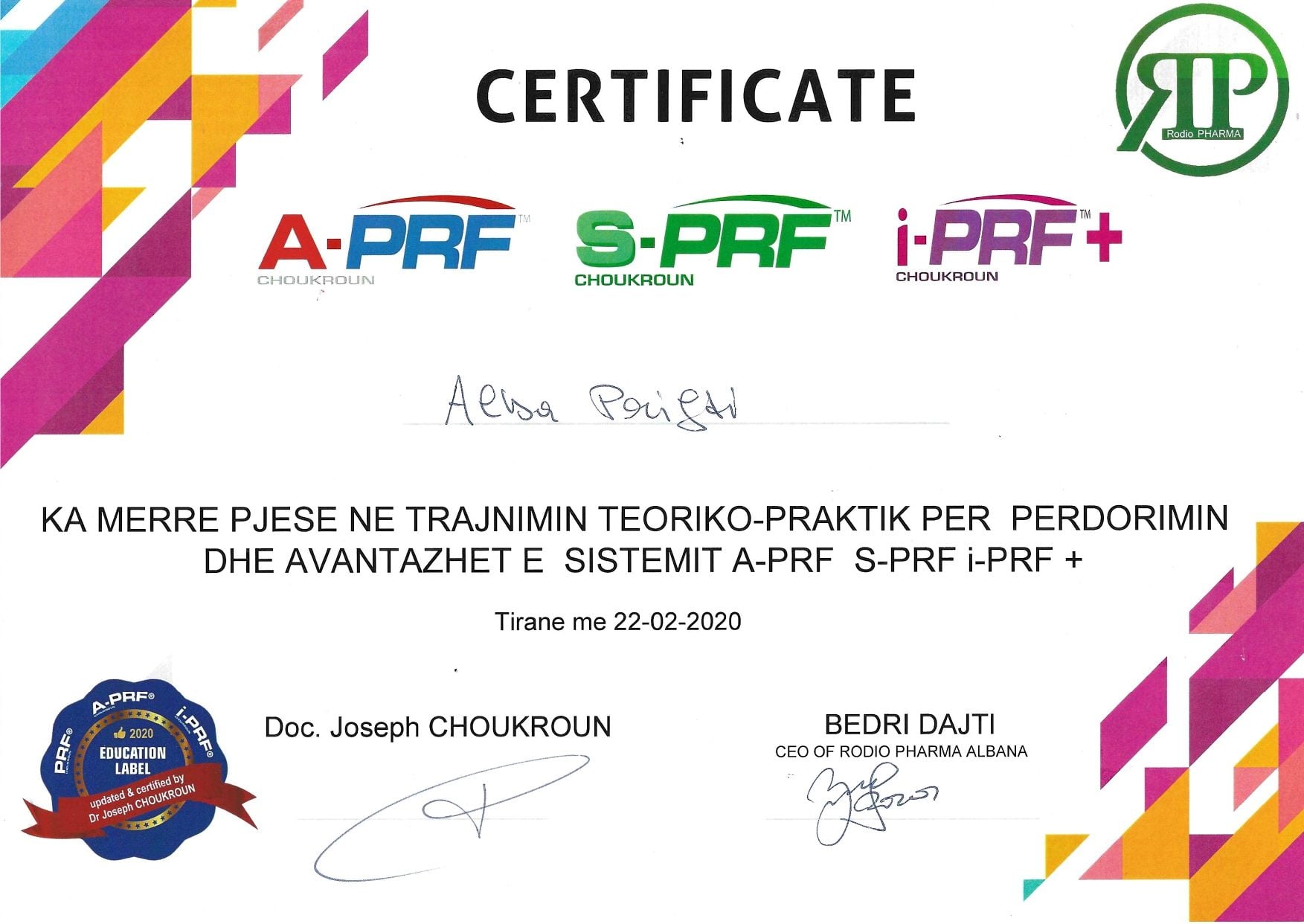
We use tooth-coloured composite resin in Tirana to restore decayed teeth and correct cosmetic imperfections — chips, gaps, discolouration, and uneven edges — in a single appointment, with a result that is clinically sound and visually invisible.
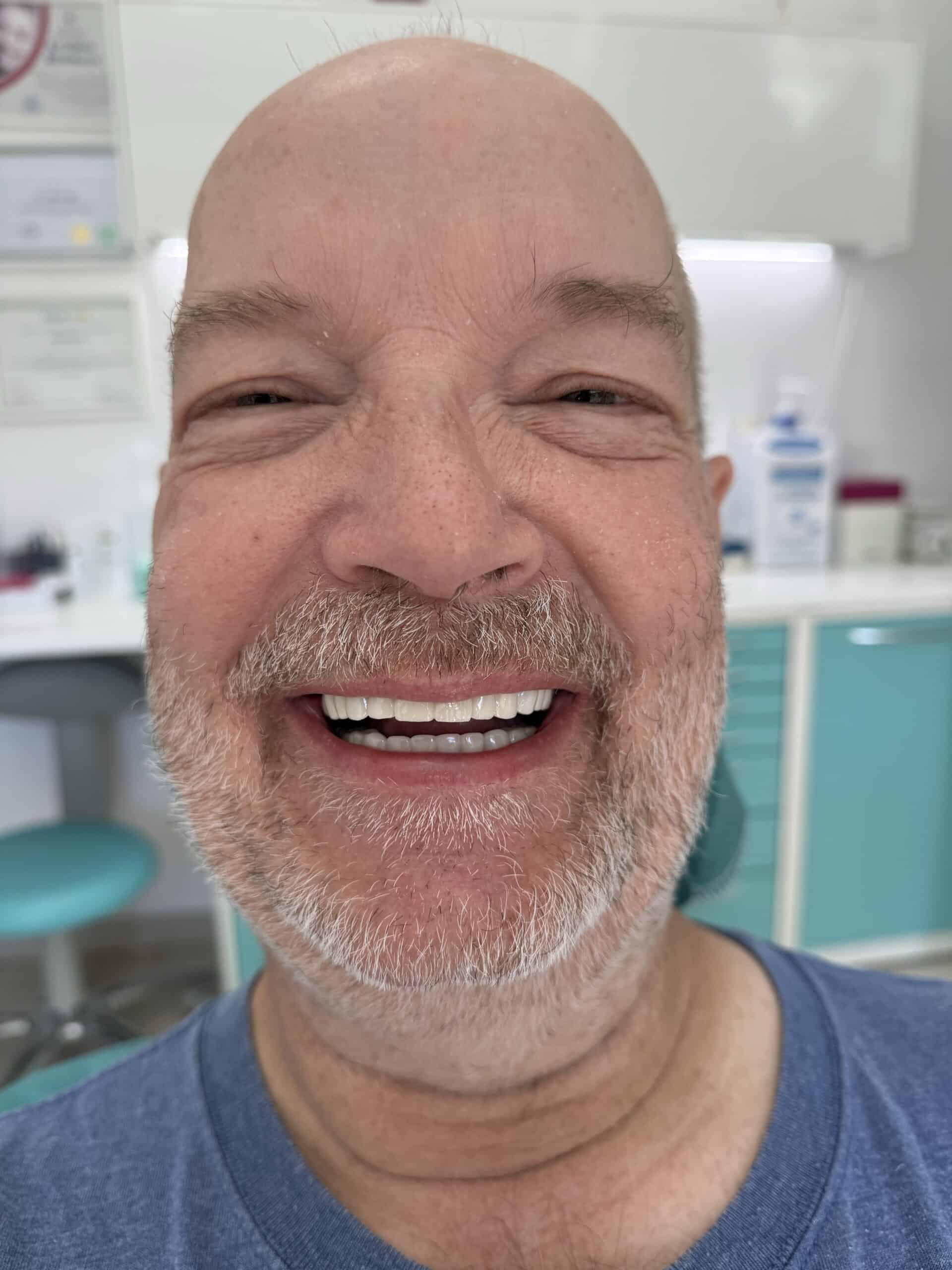
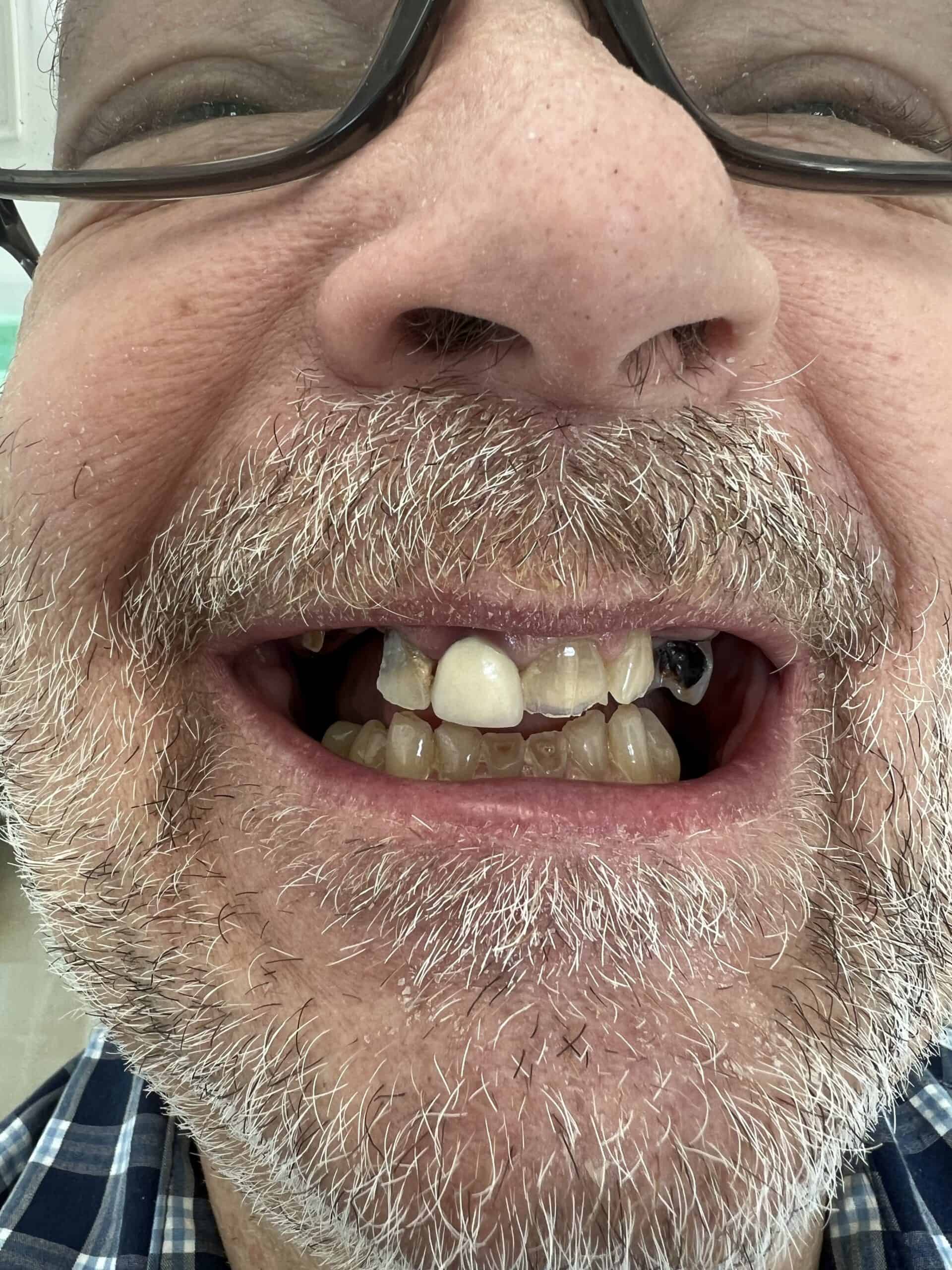
Our Patients’ Testimonials | Before and After
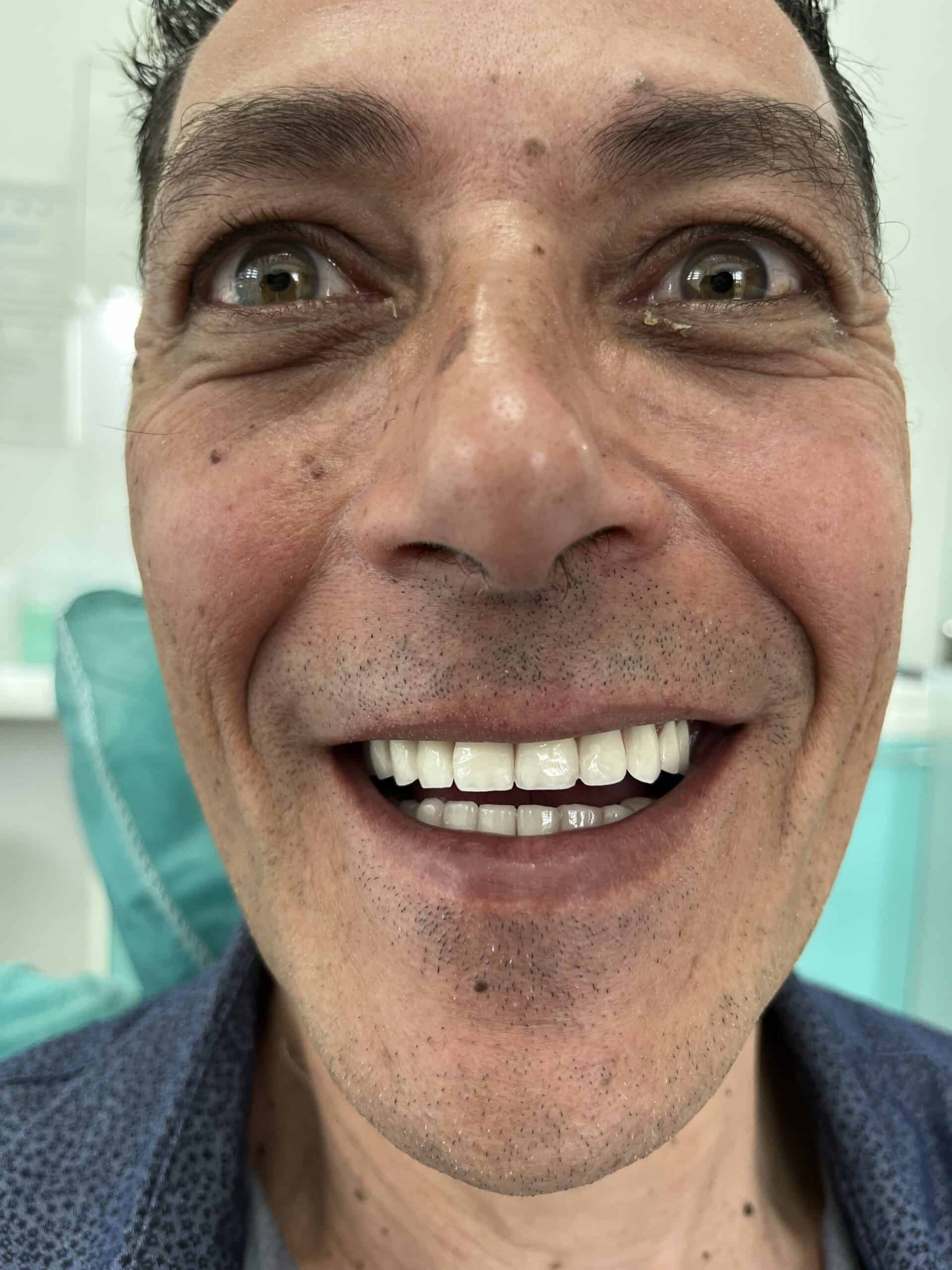
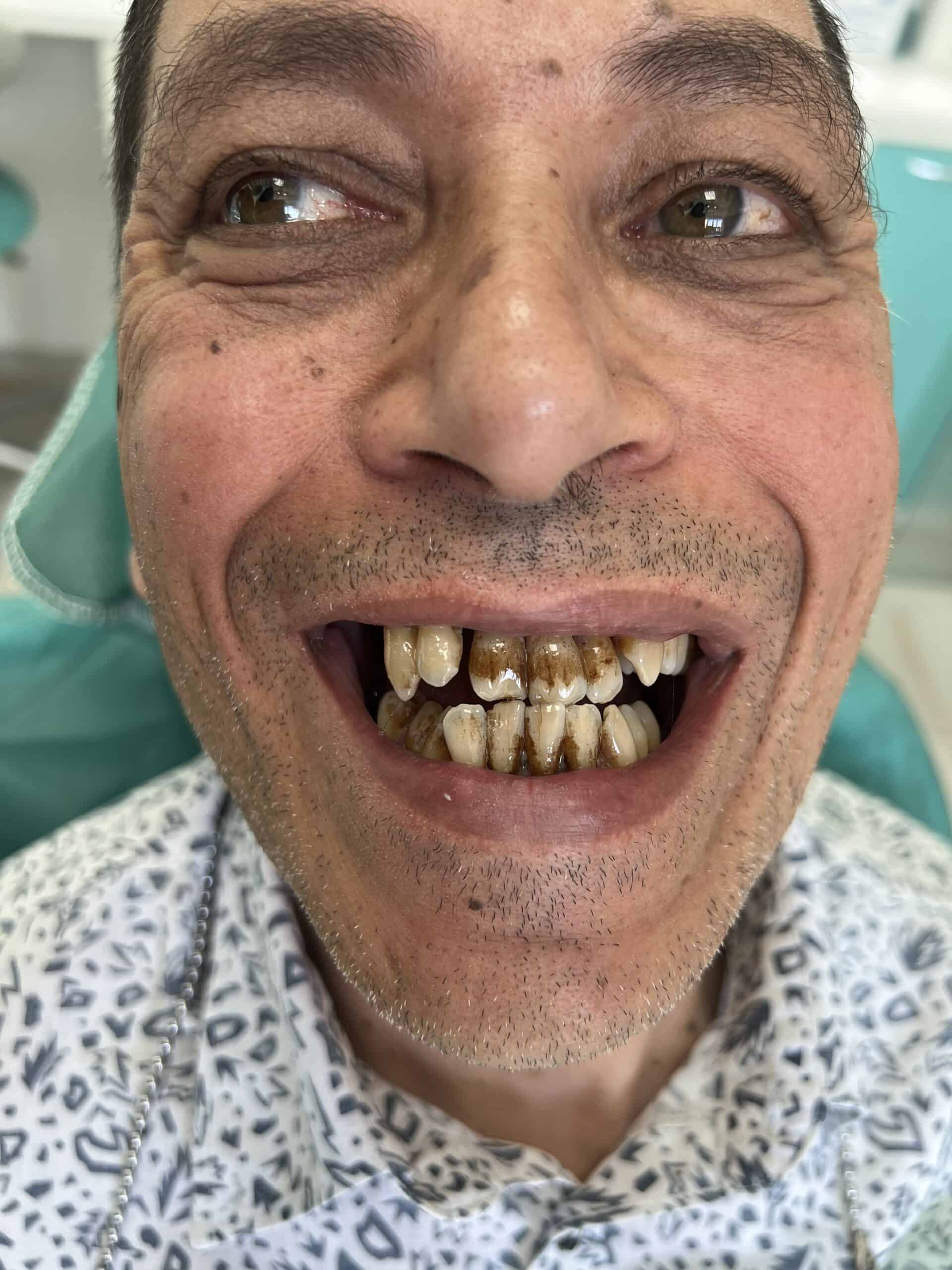
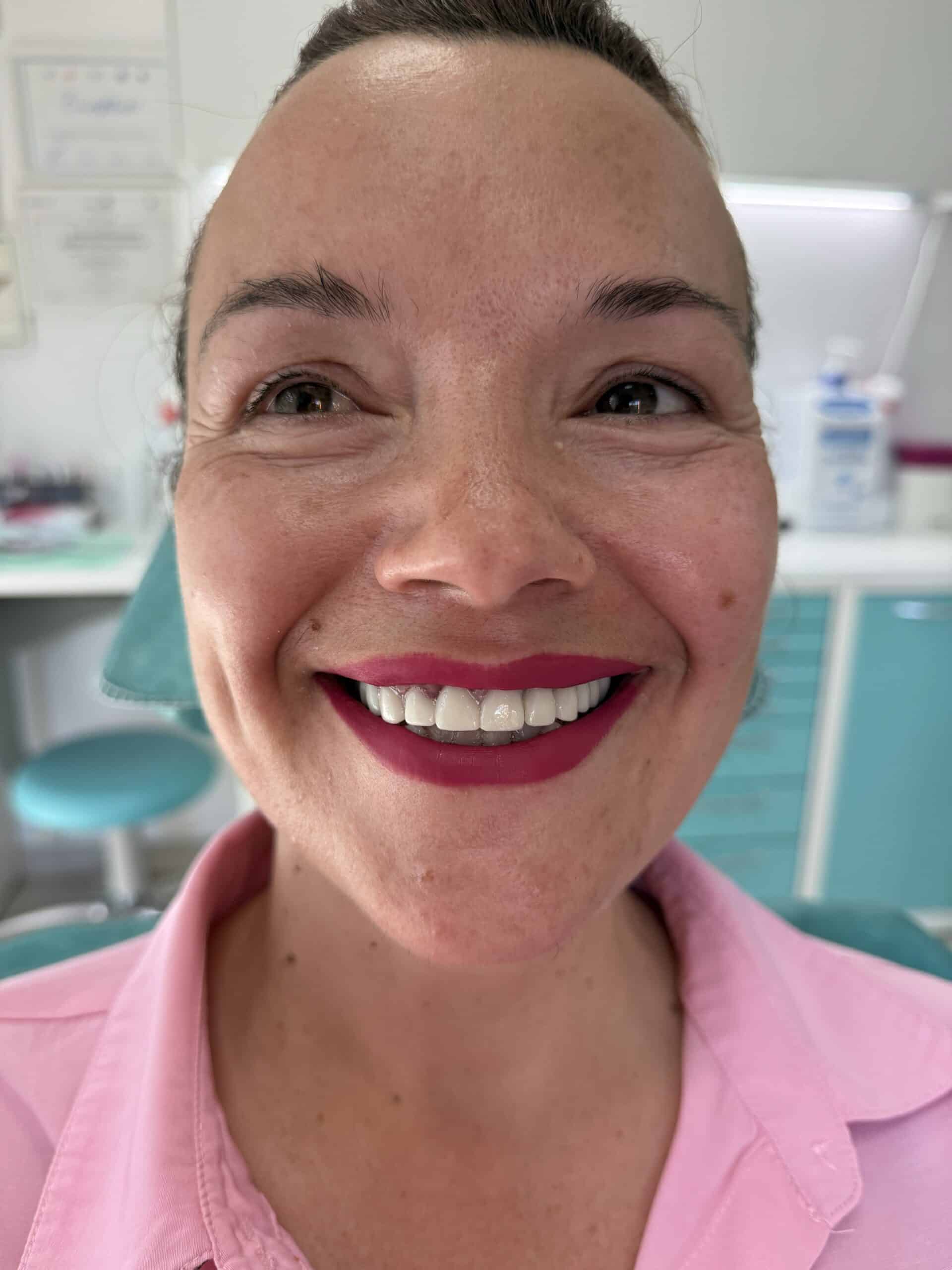
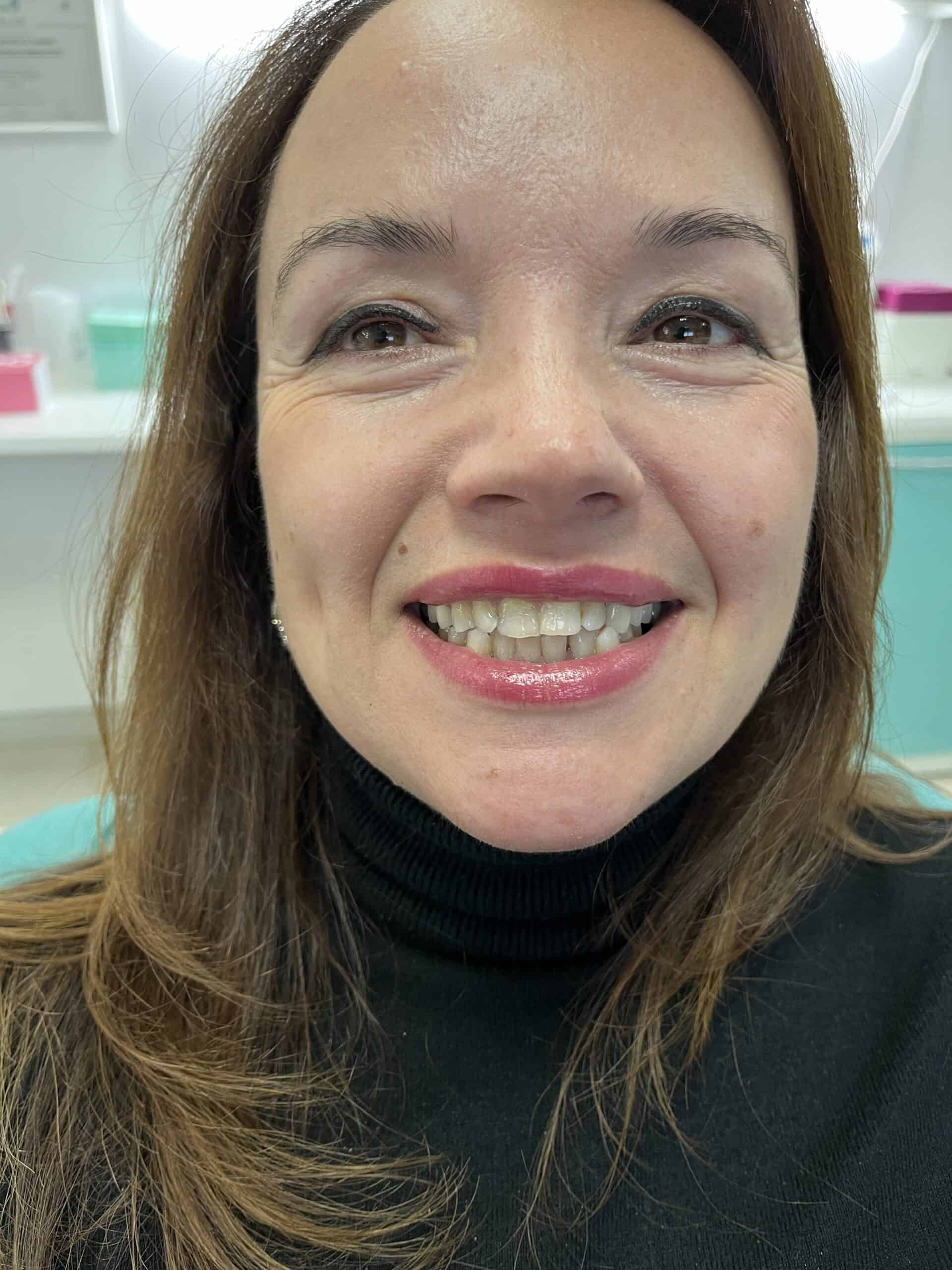
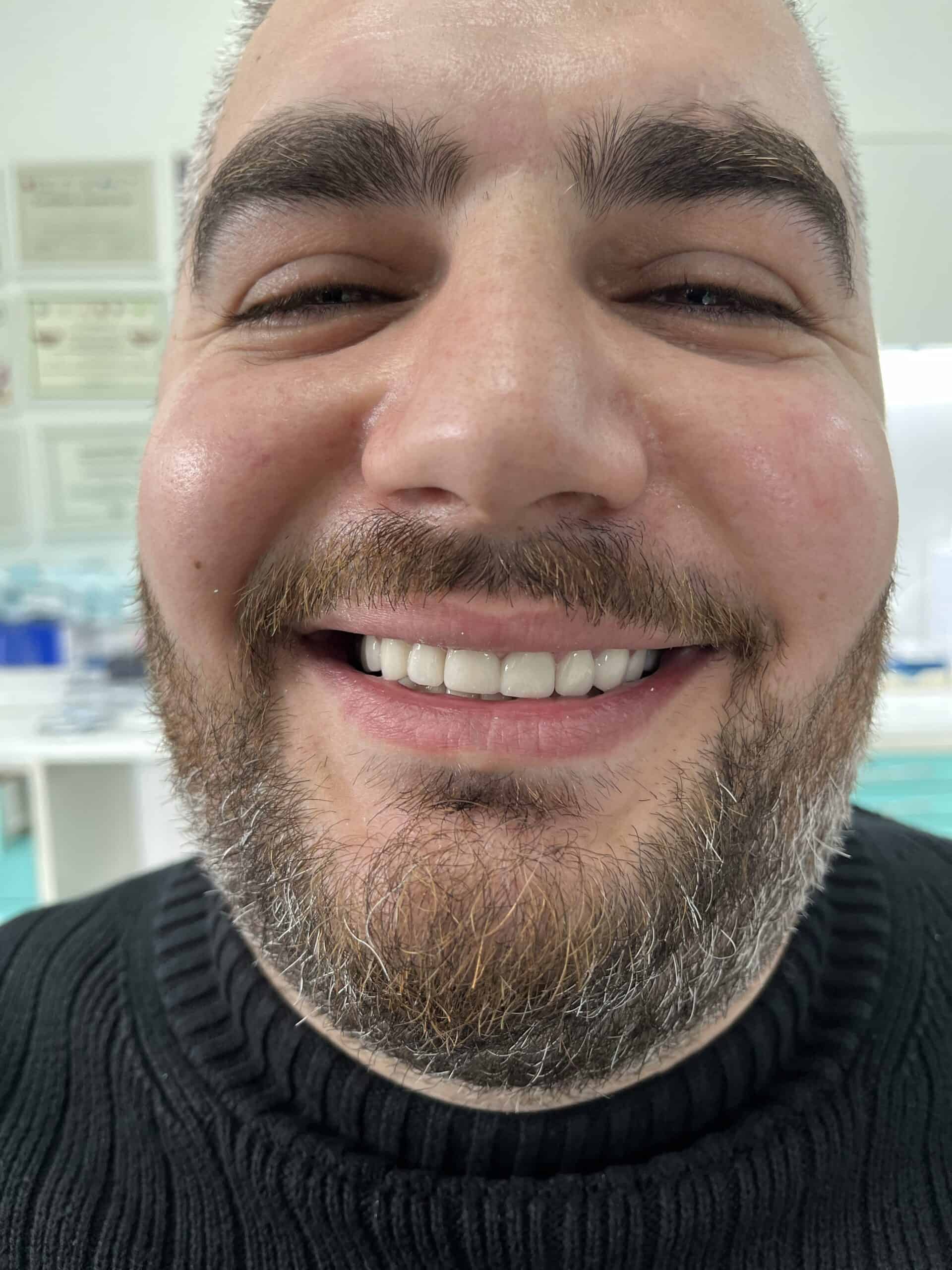
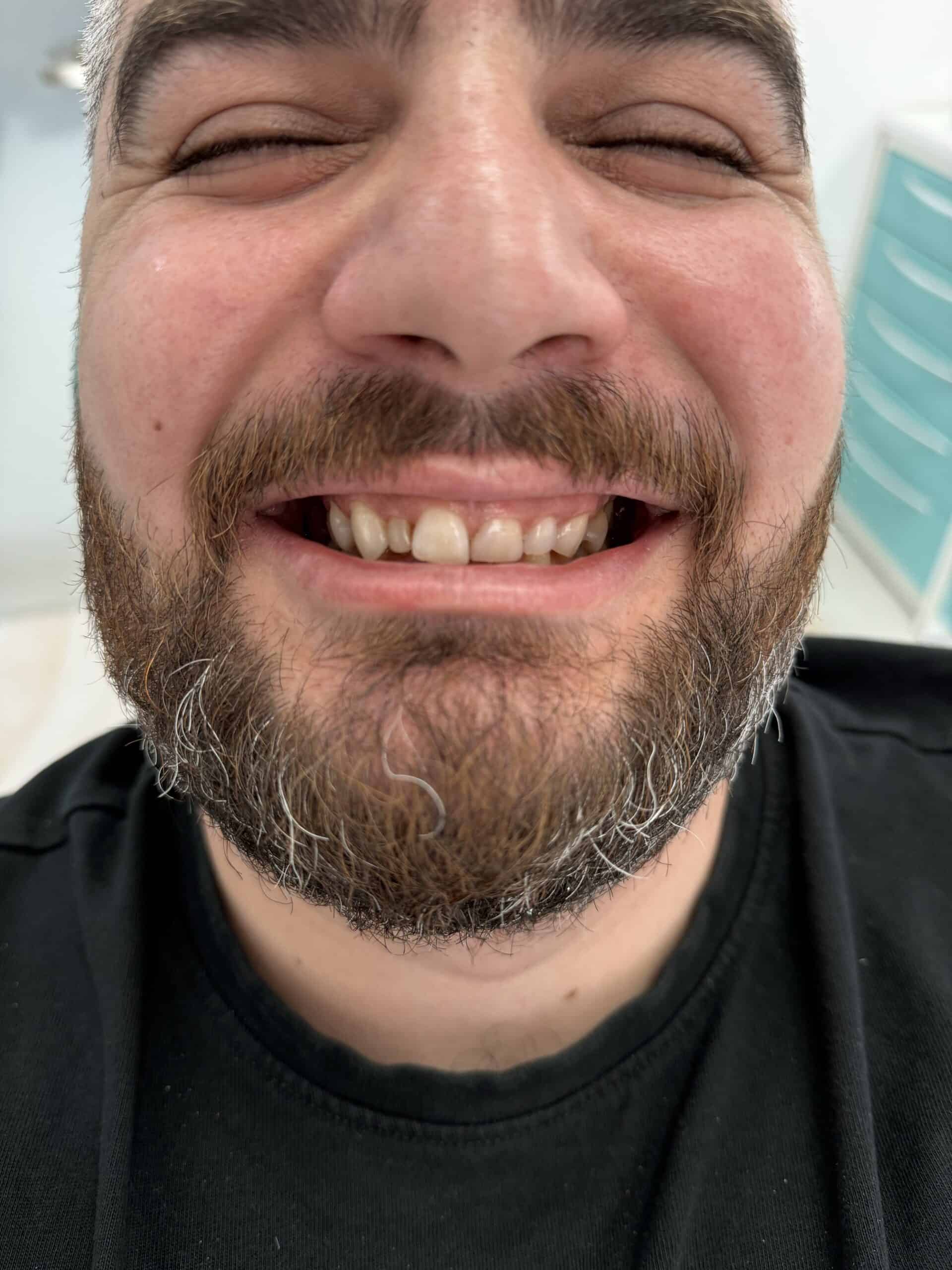
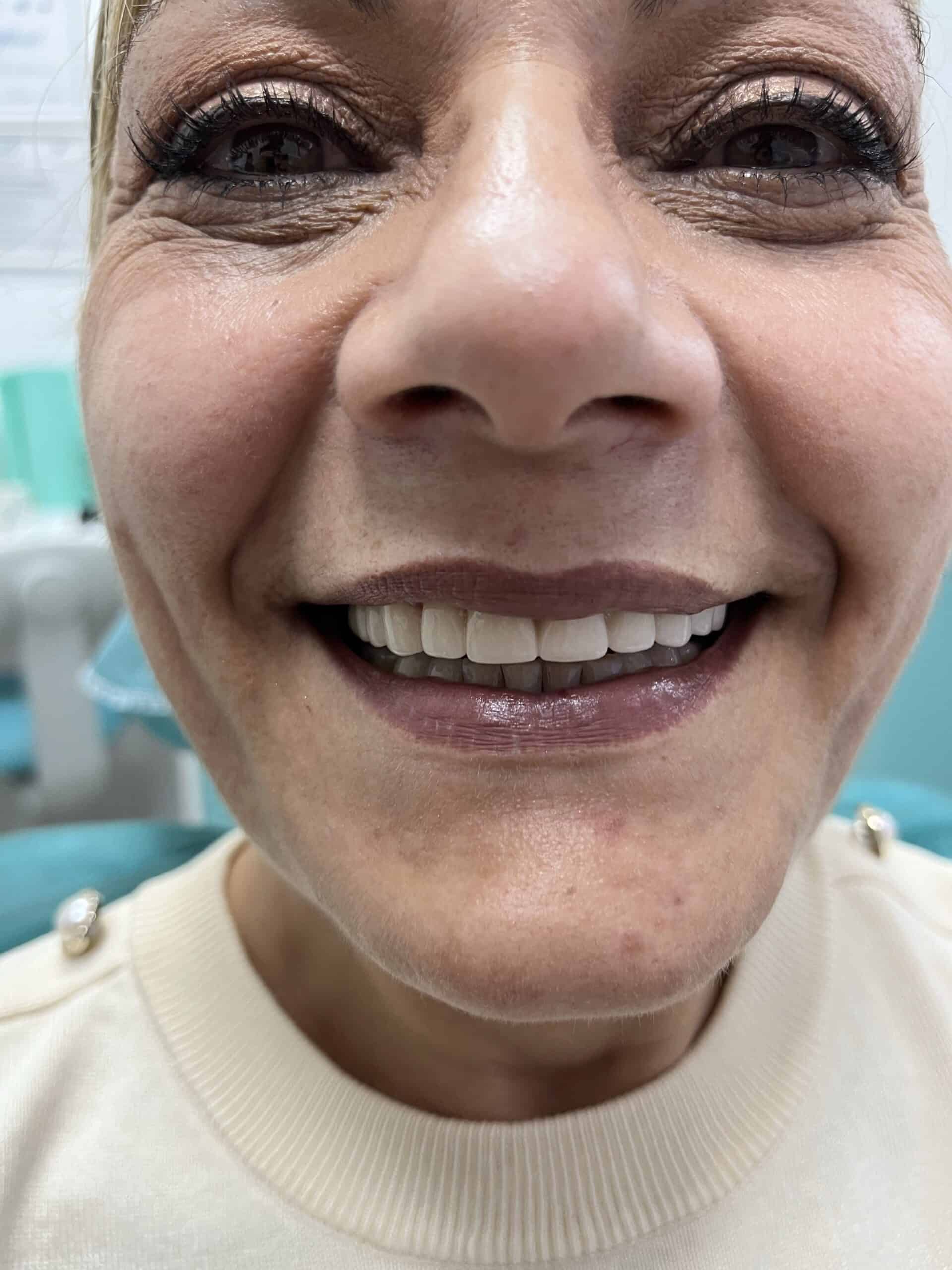
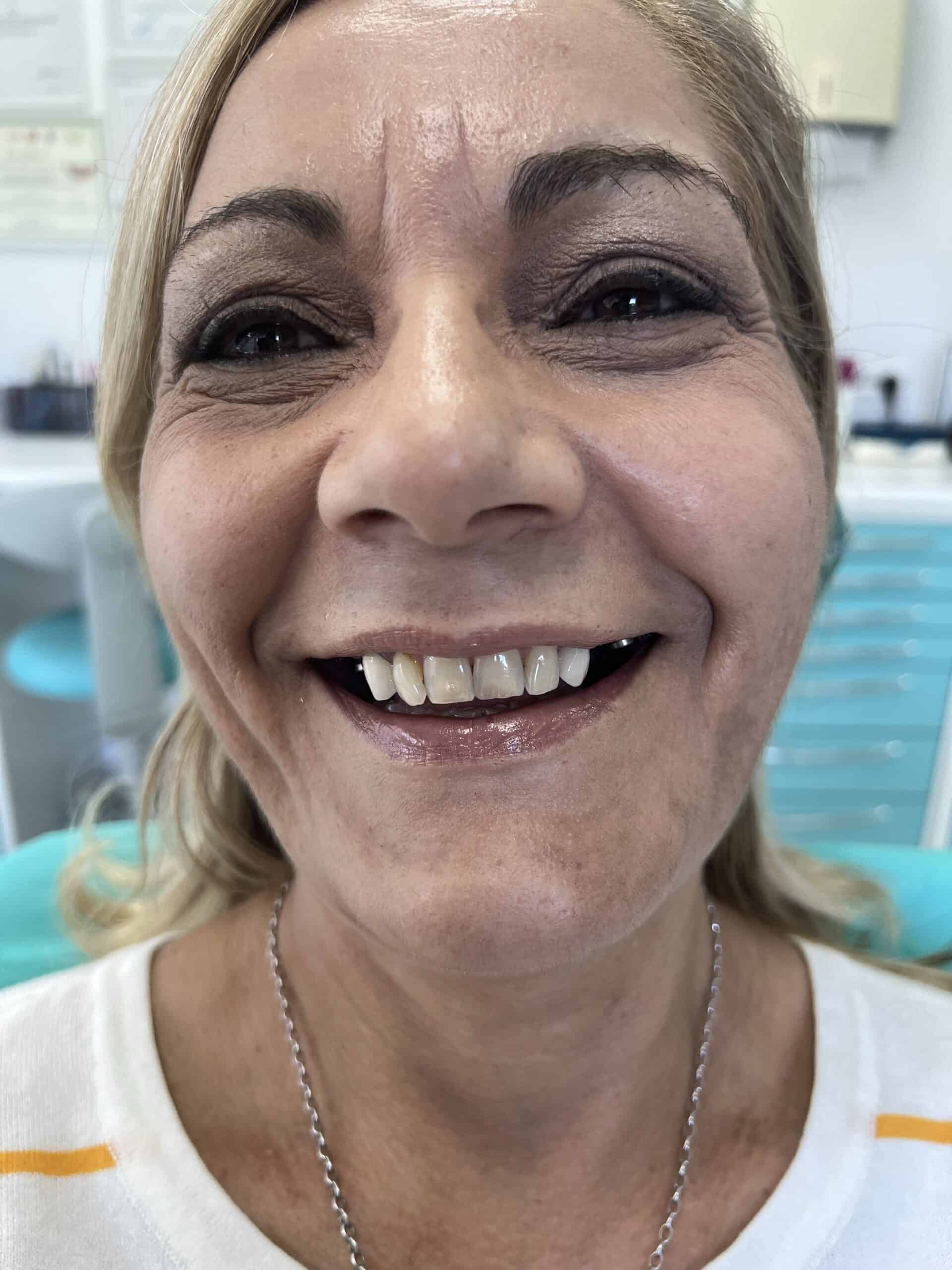
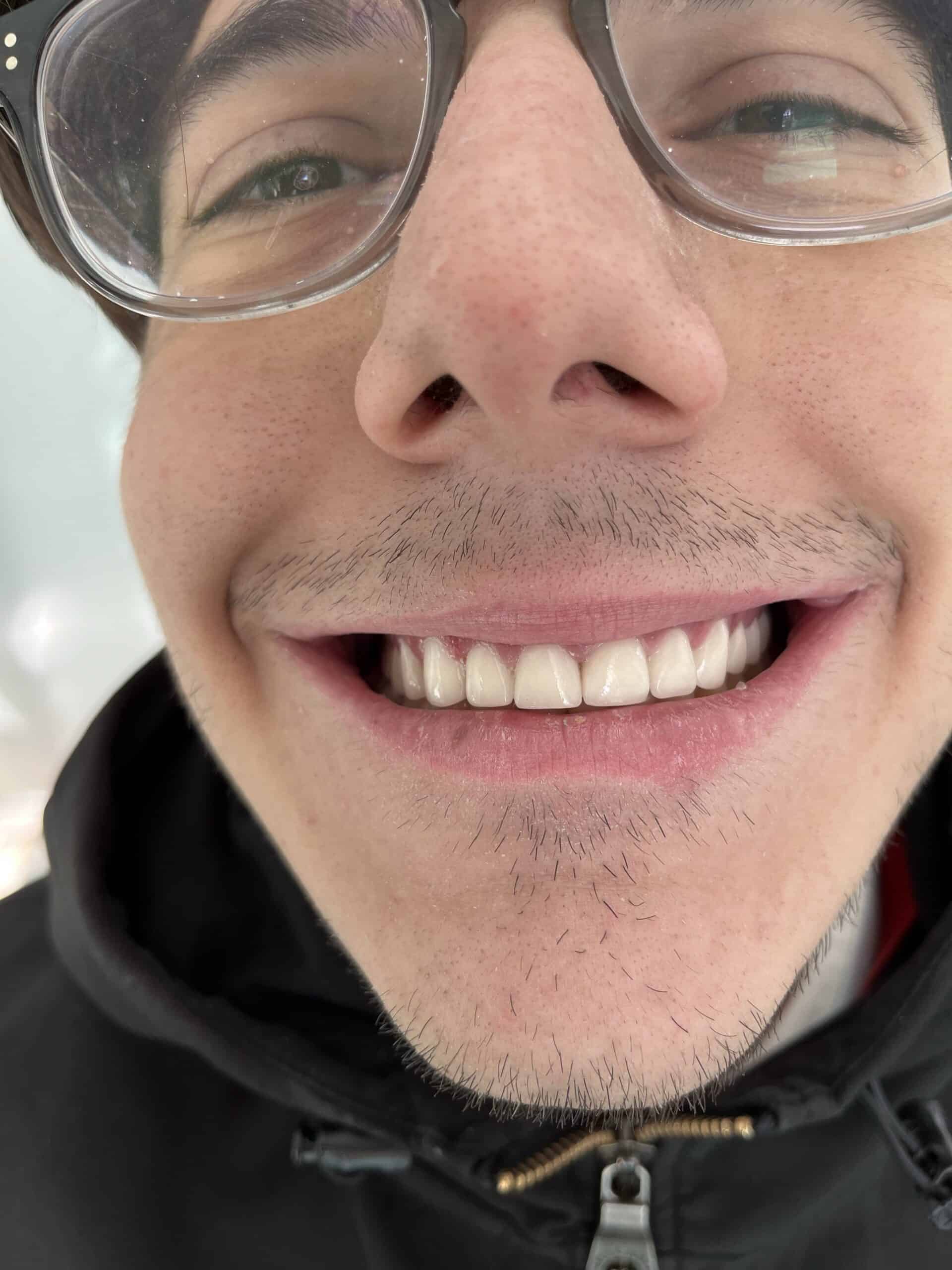
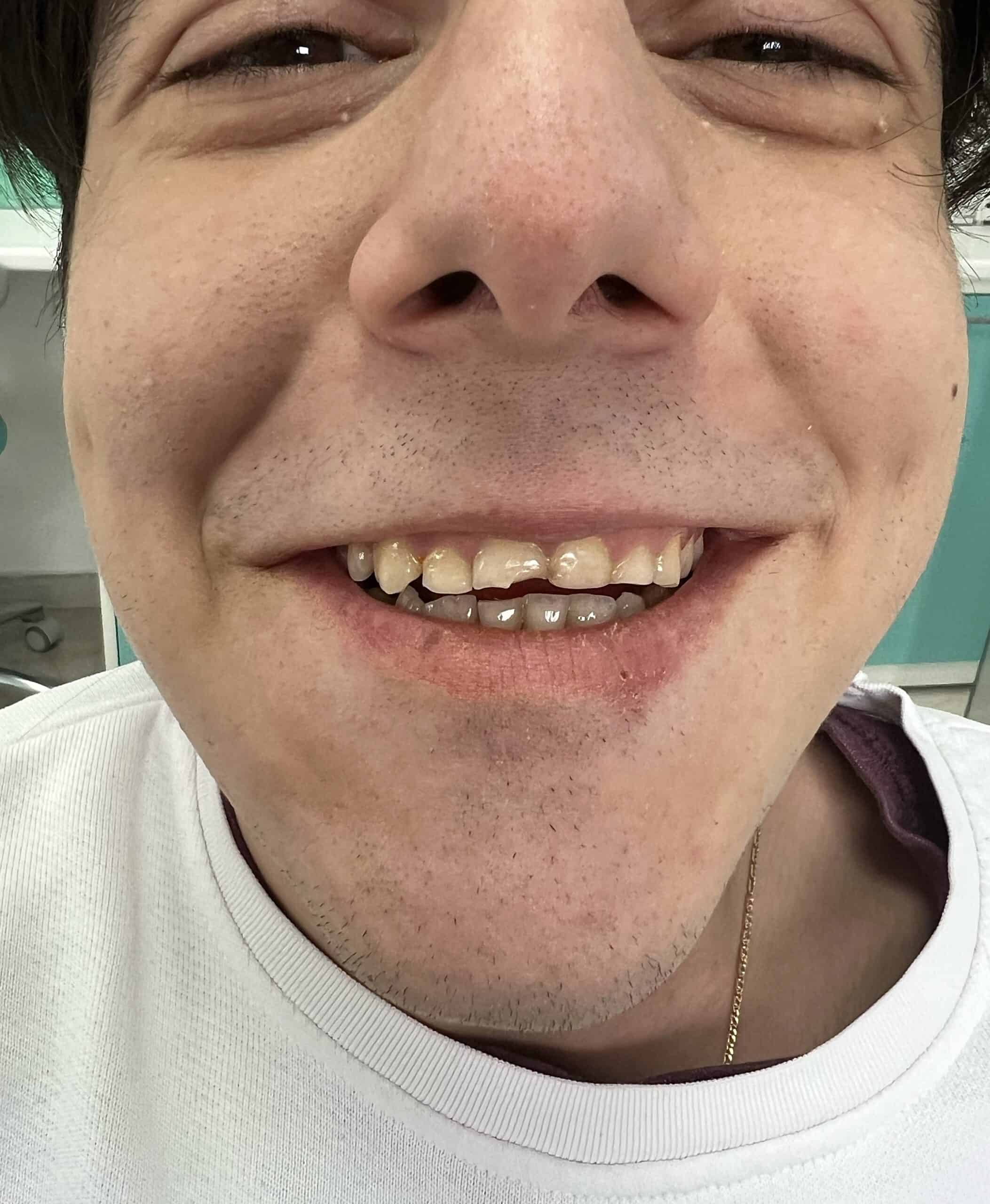
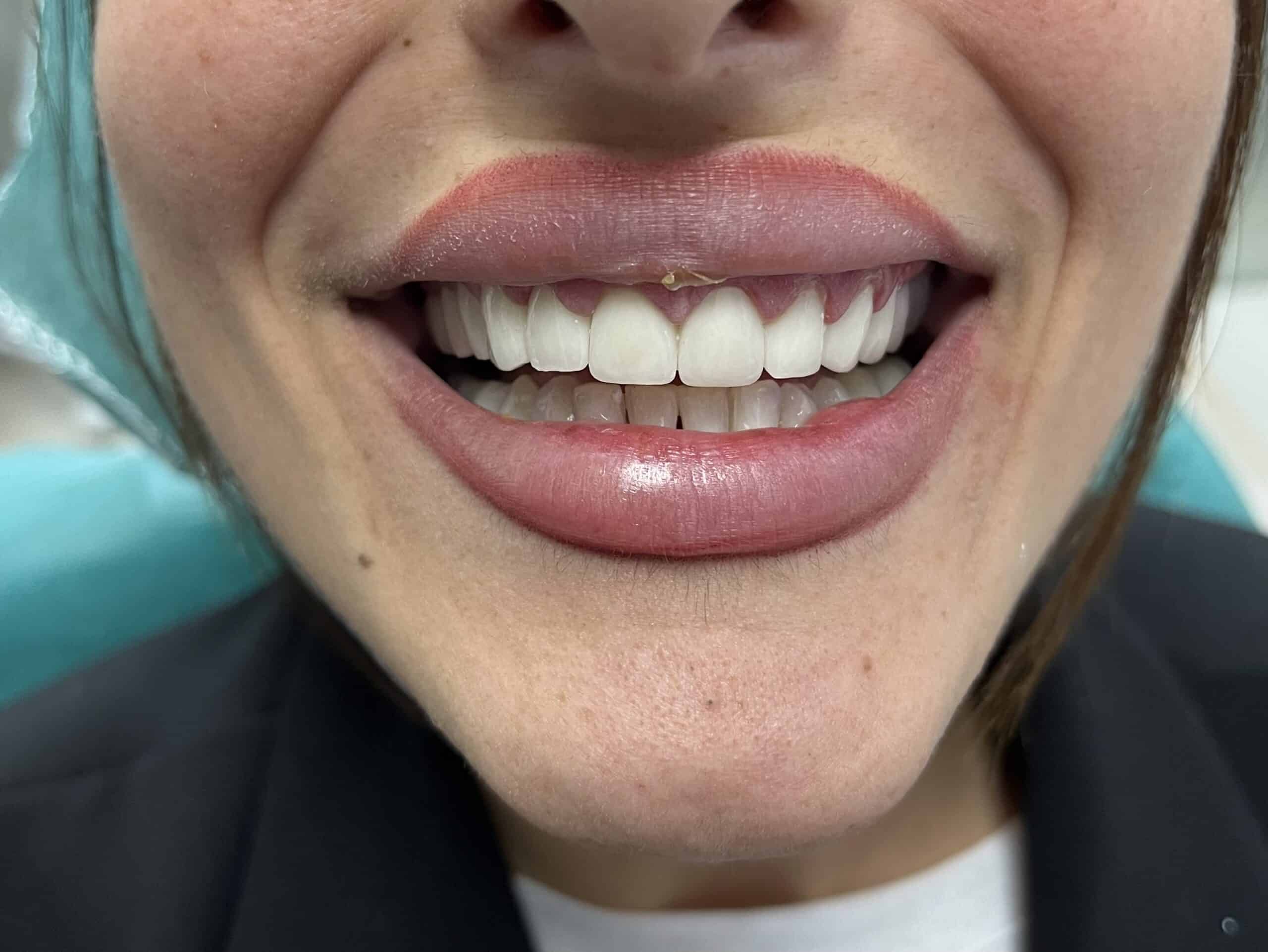
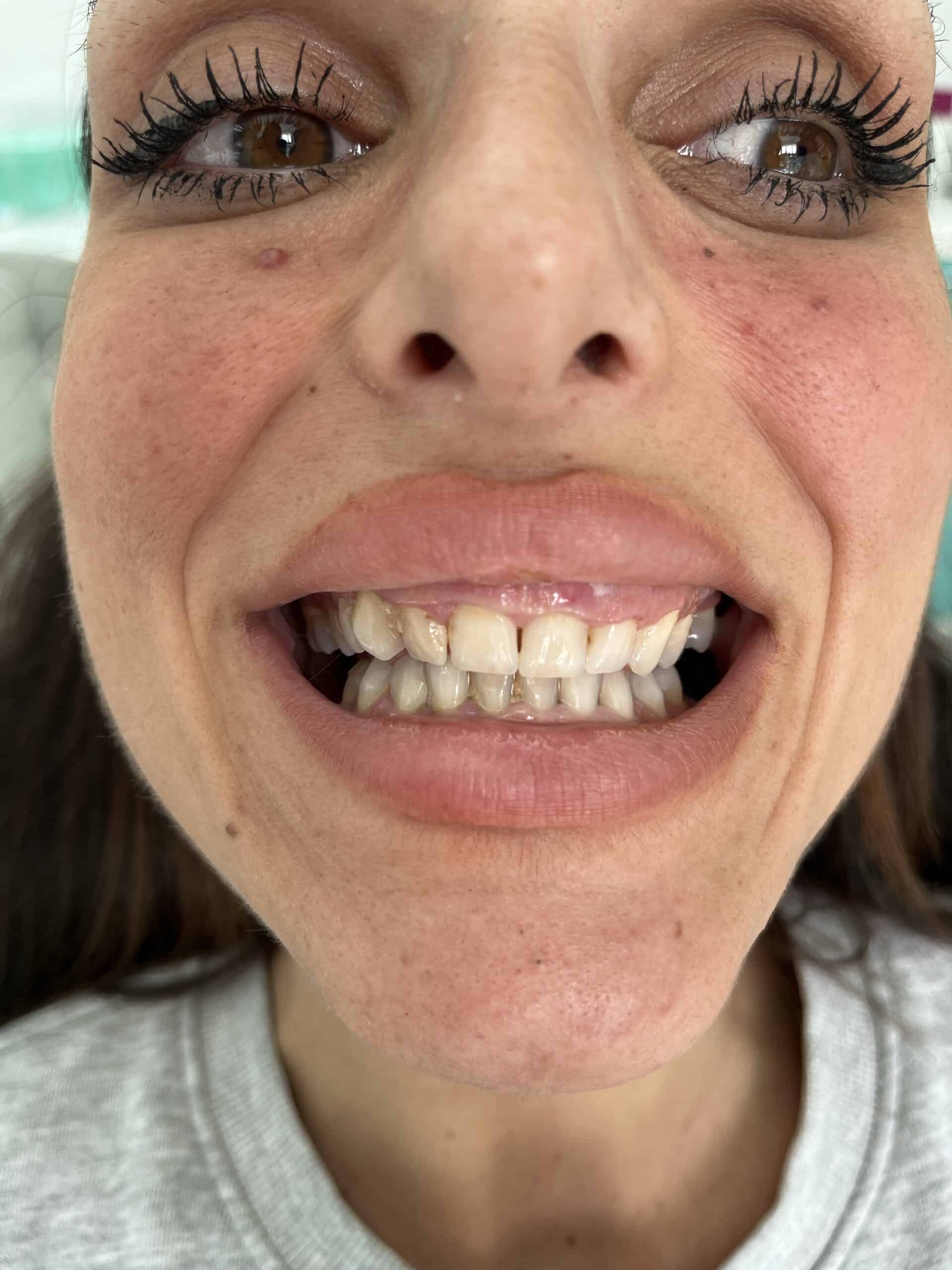
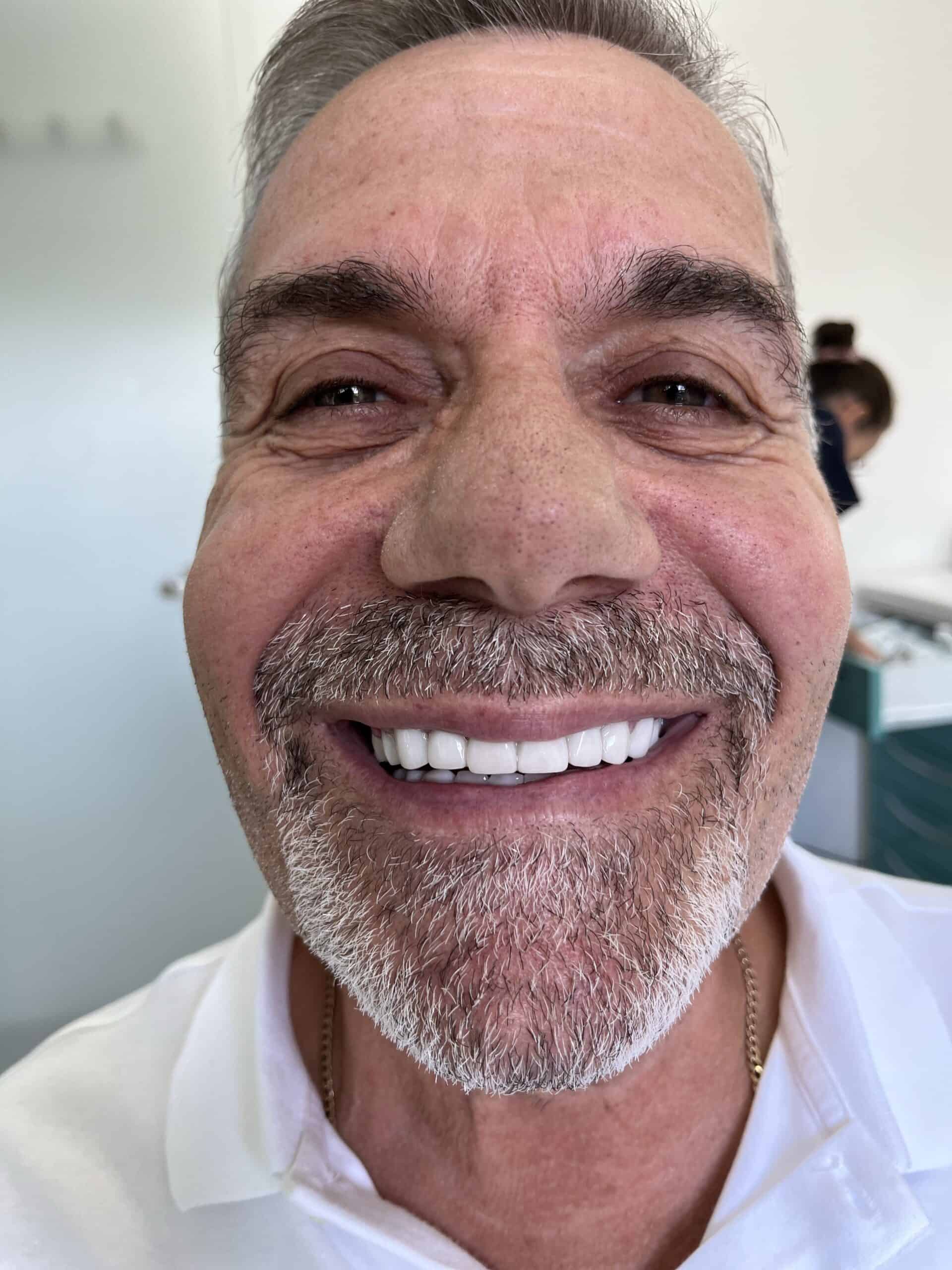
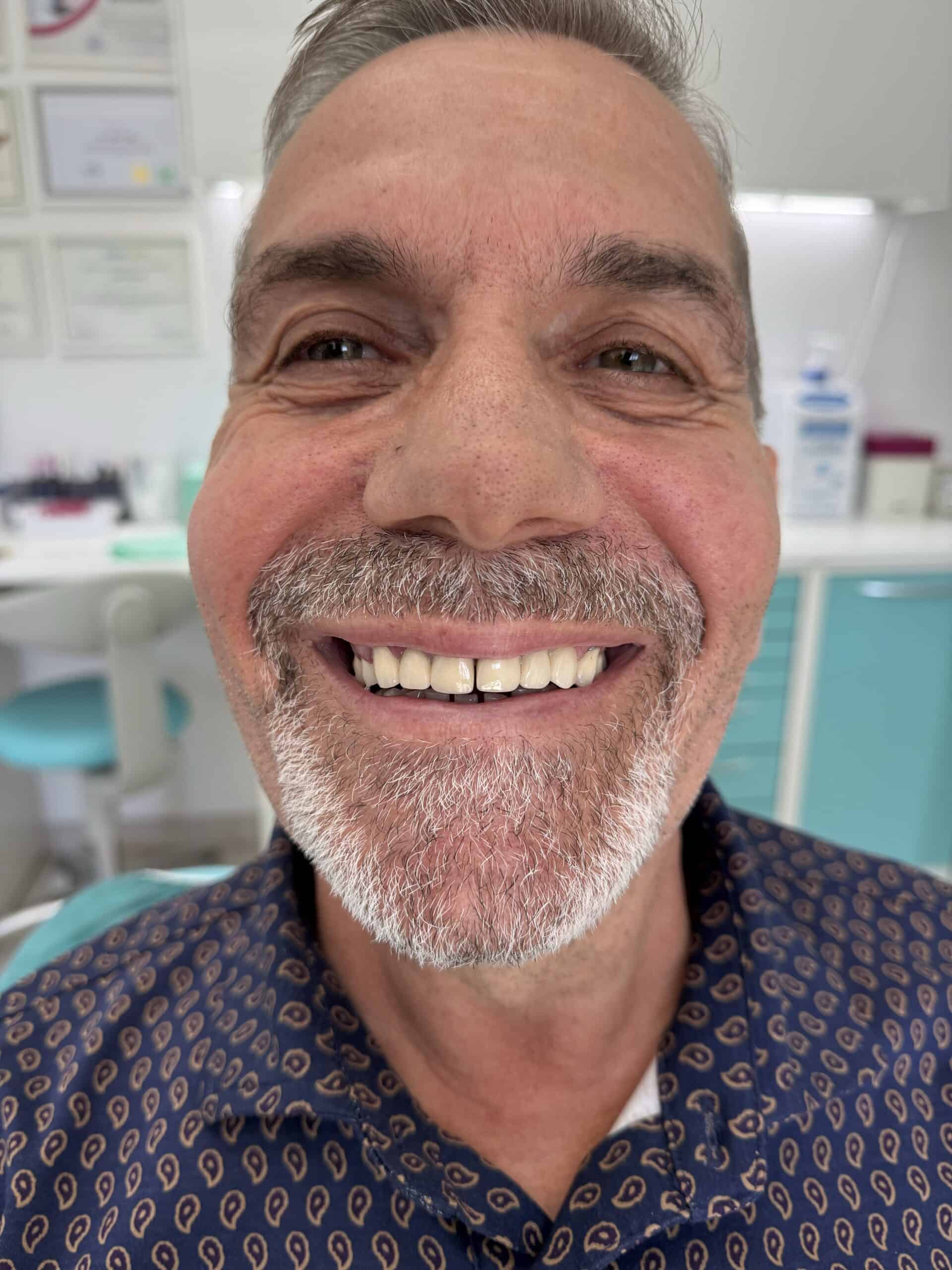
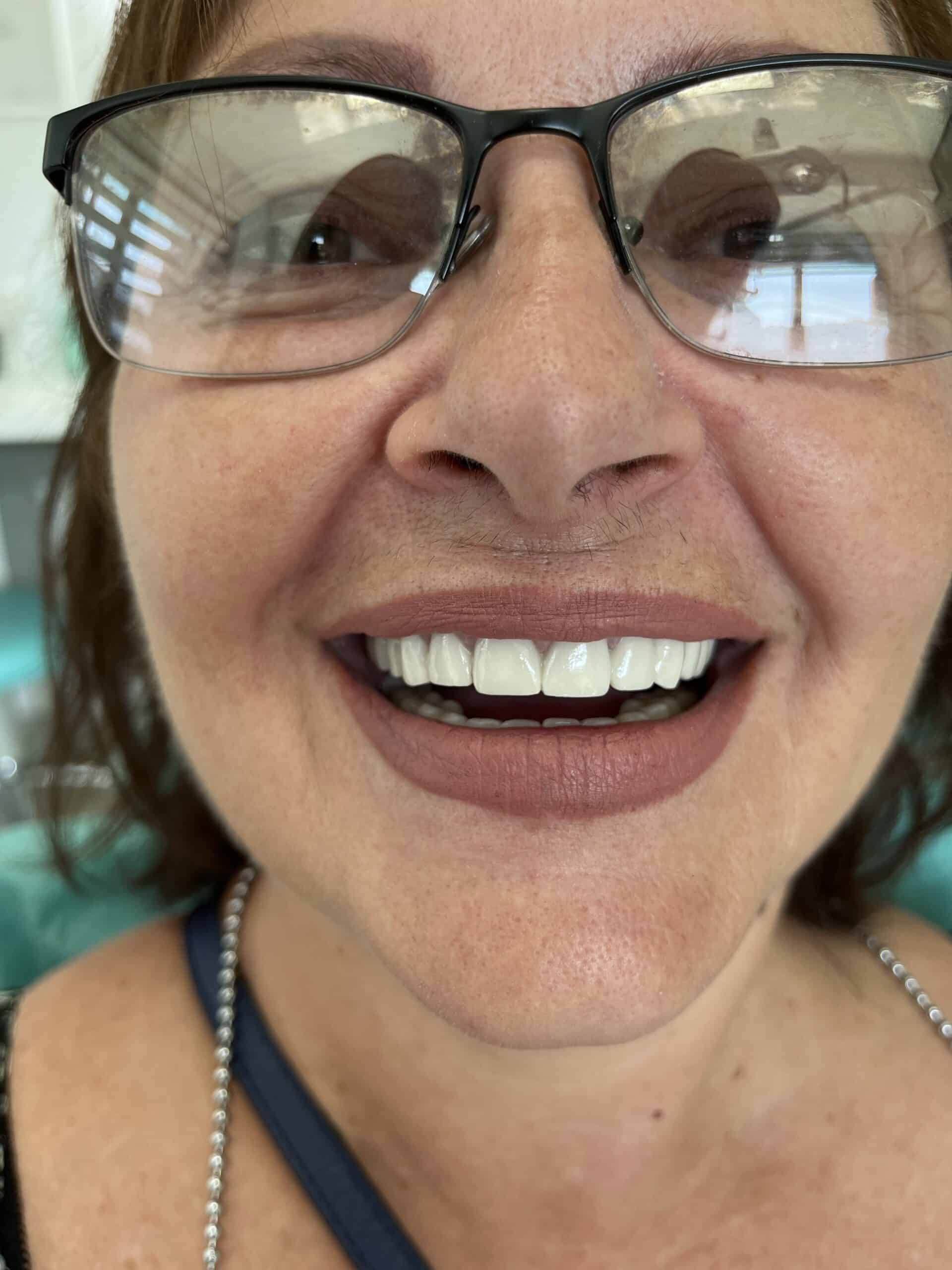
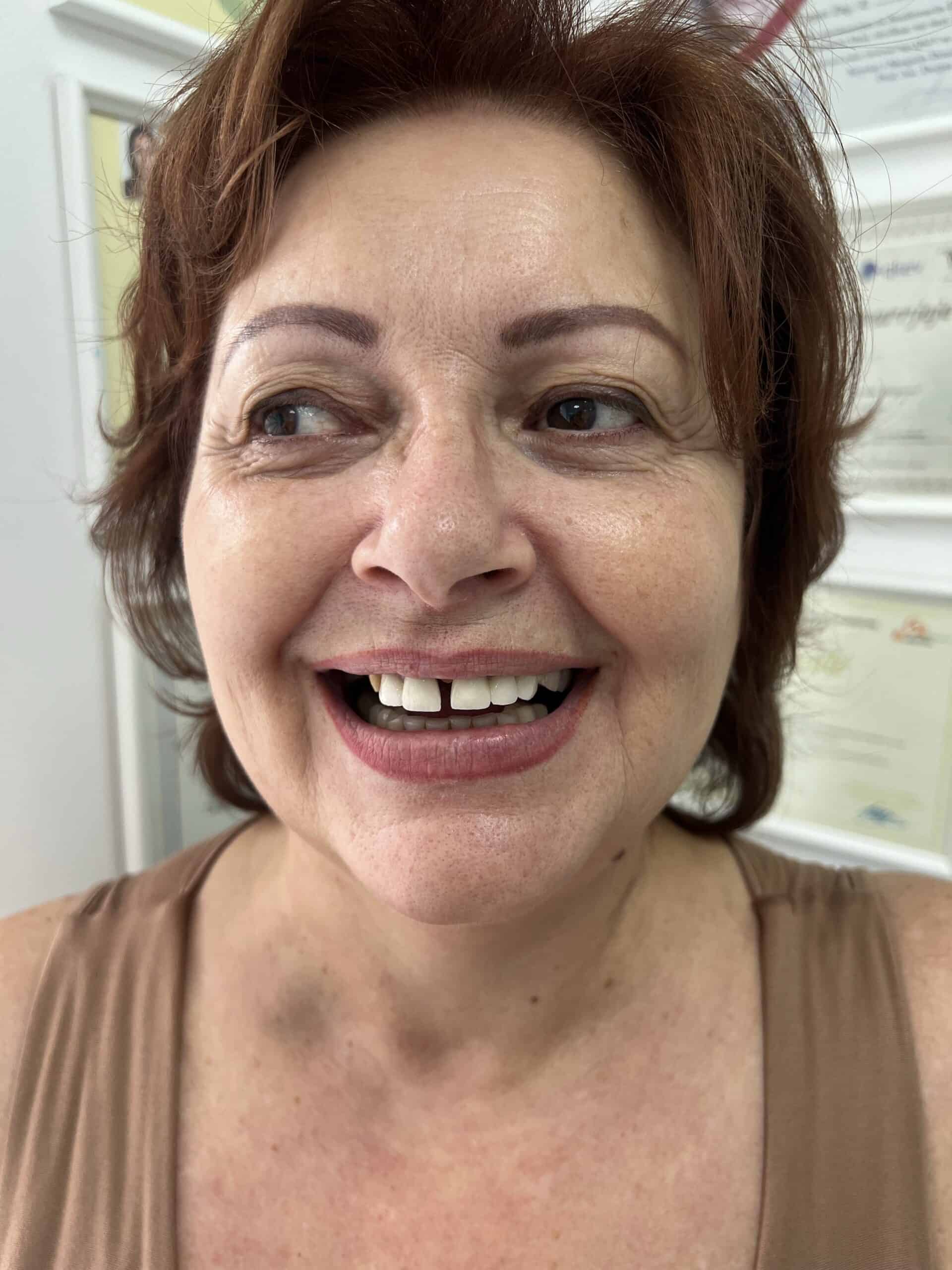
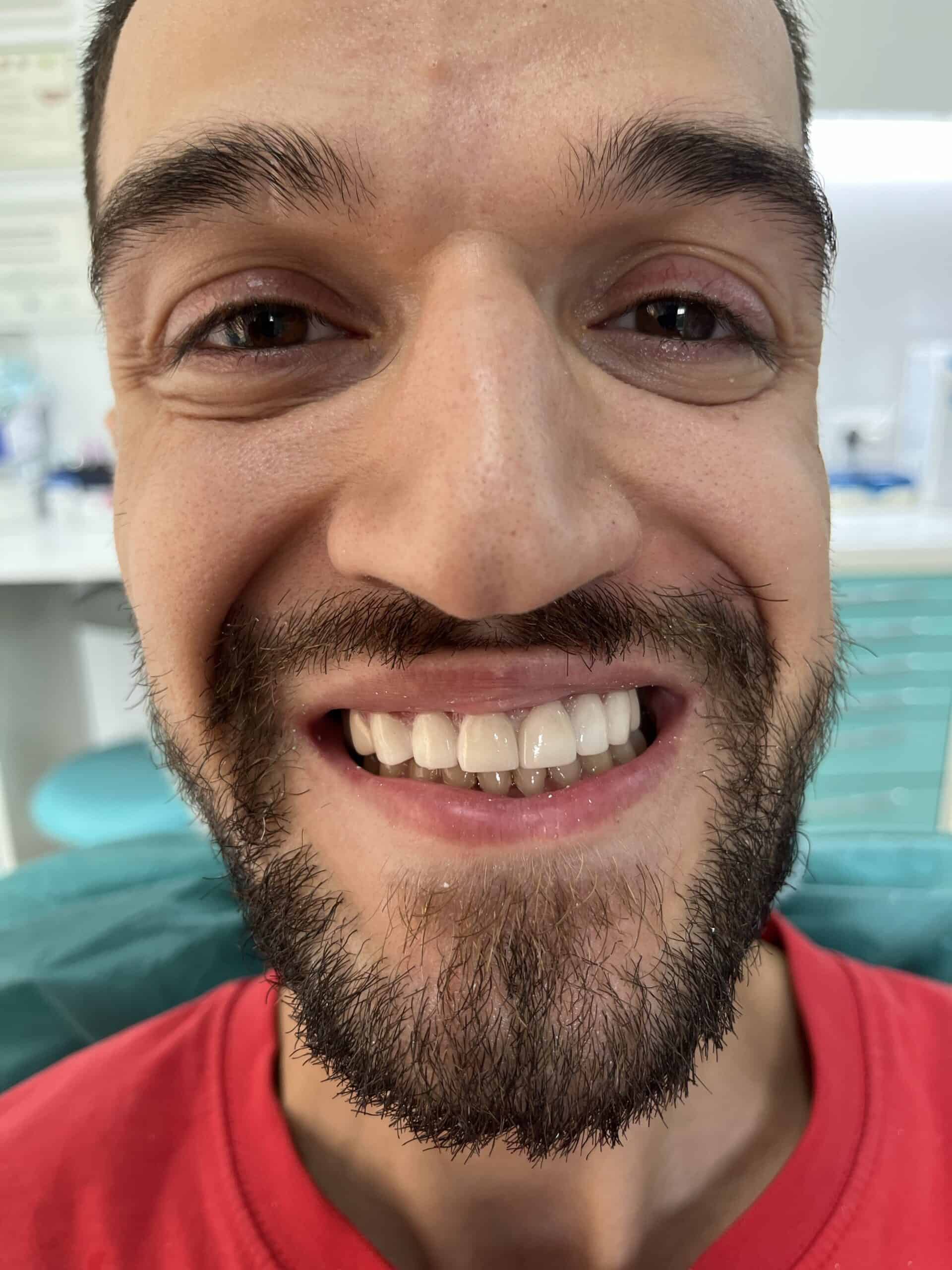
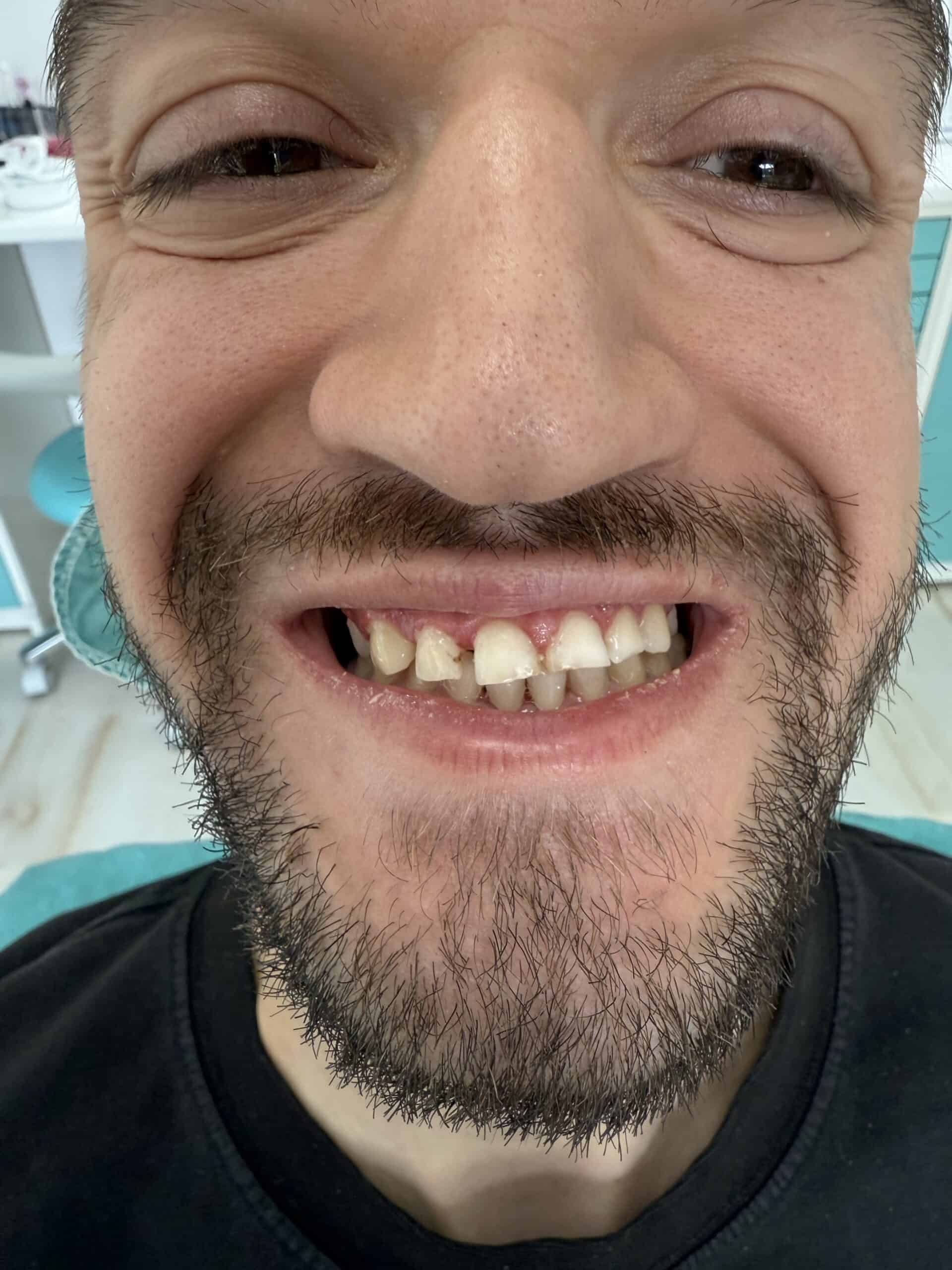
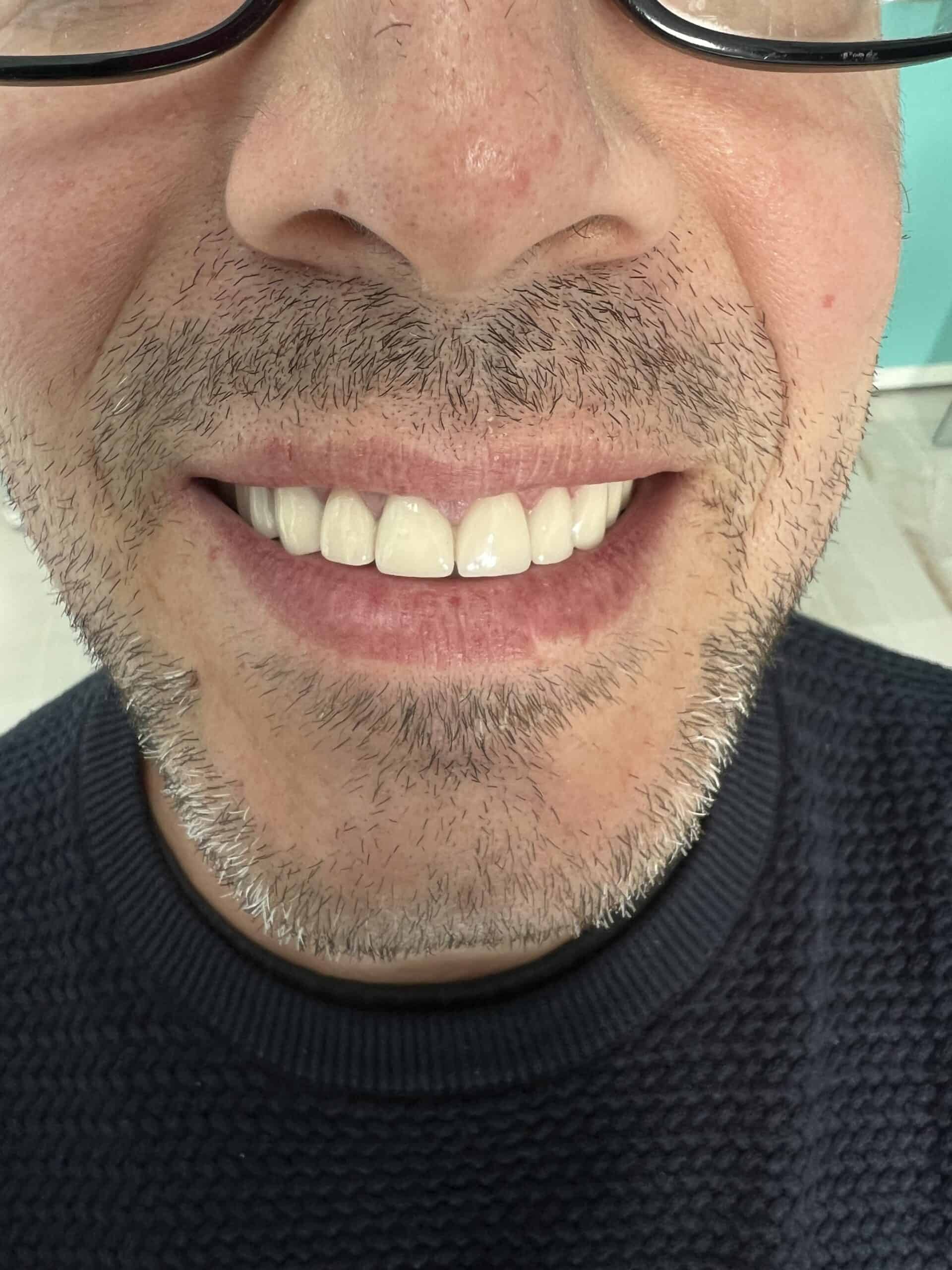
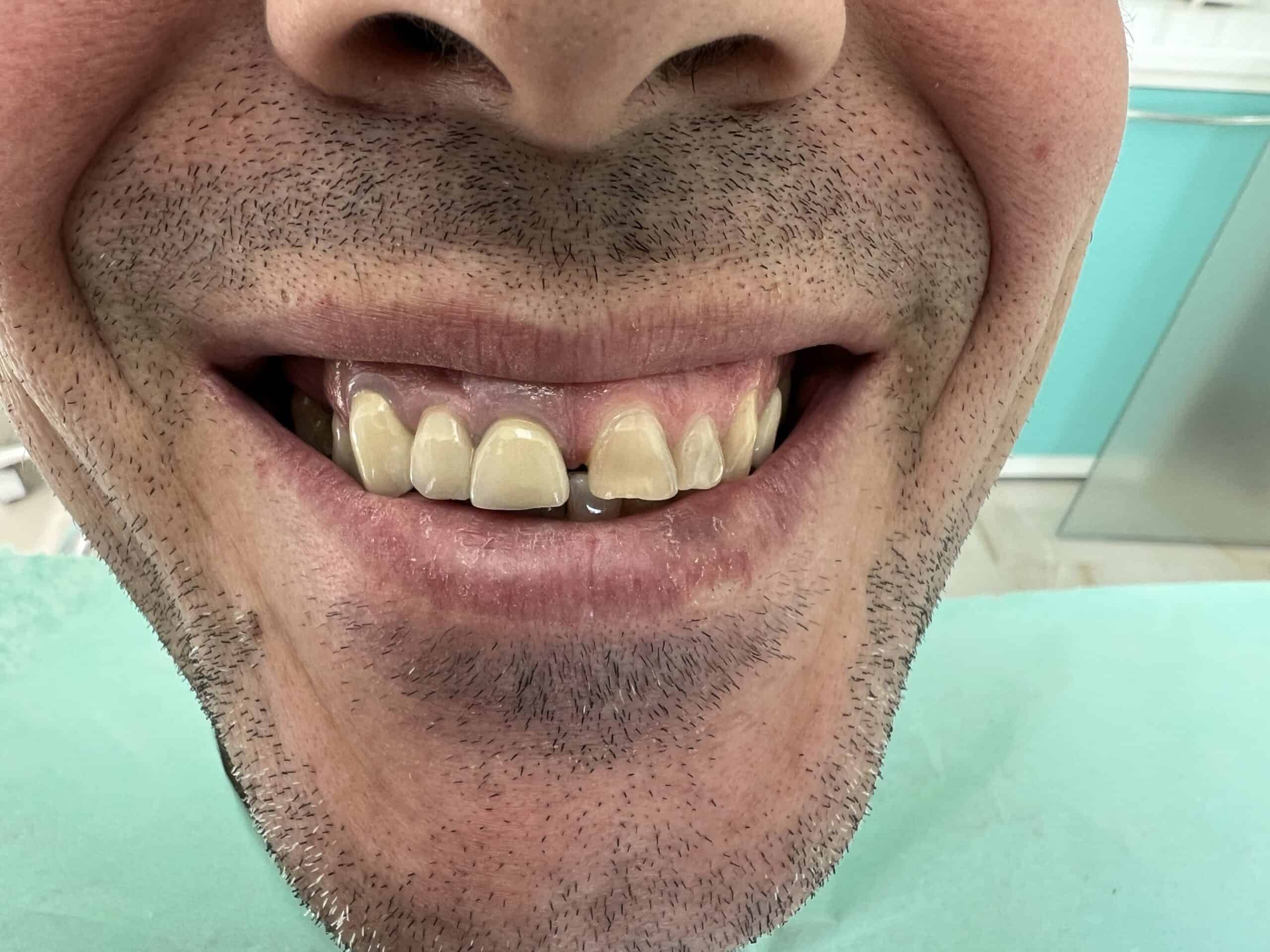
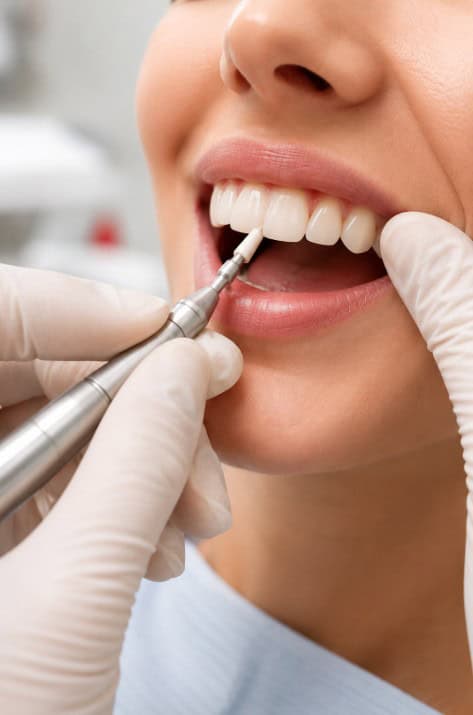
Cosmetic Fillings and Composite Bonding at KissDent — Natural Results in a Single Visit
Composite resin is one of the most versatile materials in modern dentistry. The same tooth-coloured material used to fill a cavity can also repair a chipped front tooth, close a gap, reshape an uneven edge, or improve a tooth’s appearance without any removal of healthy tooth structure. At KissDent in Tirana, under the clinical direction of Dr. Veronika Gjata, cosmetic fillings and composite bonding are placed using 3M and GC composite systems — materials chosen for their shade range, optical quality, and long-term wear characteristics.
Most cases are completed in a single appointment. No laboratory is involved. In the right clinical situation, it is one of the fastest and most conservative improvements available in dentistry.
What Is Composite Bonding?
Composite bonding — sometimes called cosmetic bonding or tooth bonding — is the direct application of tooth-coloured composite resin to the surface of a tooth to change its shape, colour, length, or texture. The composite is placed in a soft state, sculpted by the dentist to the desired form, and set hard with a curing light. It bonds directly to the tooth structure and requires no separate laboratory fabrication.
The distinction between a cosmetic filling and composite bonding is largely one of purpose: a cosmetic filling restores a tooth that has been damaged by decay or fracture; composite bonding corrects a tooth that is structurally intact but has an aesthetic concern. In practice, the same material and the same technique are used for both.
What to expect
1–2 hours total
Save up to 60% on dental care
Full dental tourism support
Certified surgeons
The smile you want, now closer to you!
Transform your smile with our all-inclusive dental packages, which include treatment, airport transfer and accommodation.

Dental Technology in Albania
Patients Treated
Years of Experience
All-Inclusive Treatments
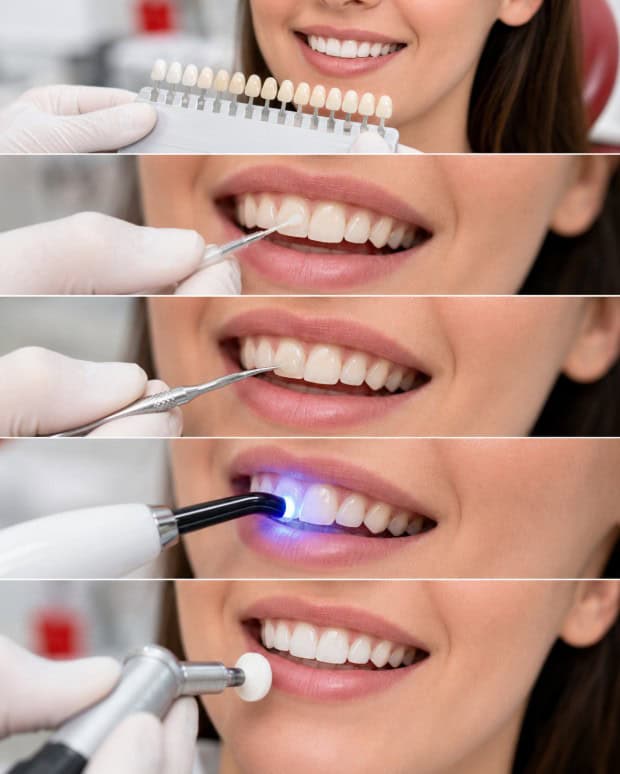
The Composite Bonding Process at KissDent
Consultation: Clinical examination and discussion of the aesthetic concern. We assess whether composite bonding is the most appropriate treatment, or whether a veneer, crown, or other approach would produce a better and more durable result. We do not apply composite where a different material would clearly serve the patient better long-term.
Shade selection: Composite shade is matched to the existing tooth under controlled lighting before the procedure begins. For restorations on front teeth, the shade selection is the most important step — it determines whether the result looks natural or noticeable.
Preparation (where needed): For decay-related fillings, the decayed material is removed. For cosmetic bonding, the tooth surface is lightly etched to prepare the bonding surface — no drilling, no injection in most cases.
Application and sculpting: Composite is applied in layers, each cured with a blue light. The dentist sculpts the material to the correct shape, contour, and surface texture — recreating the natural anatomy of the tooth, not applying a uniform layer.
Finishing and polishing: Once the shape is correct, the surface is polished to a finish that matches the sheen of natural enamel. The bite is checked and adjusted so the new restoration does not create uneven contact.
Our trusted brands:








Types of dental fillings at KissDent
At KissDent, the type of filling is chosen based on the tooth, the size of the cavity, the bite, and the aesthetic goal. Our aim is to restore the tooth in a way that looks natural, feels comfortable, and protects the remaining tooth structure.
Composite resin fillings: Tooth-coloured fillings used mostly for visible teeth and small to medium restorations. They blend with the natural shade of the tooth and are shaped directly during the appointment.
Ceramic inlays and onlays: Used when the damaged area is too large for a simple filling but does not require a full crown. These restorations are stronger, more precise, and made to match the natural tooth.
Glass ionomer fillings: Often used in specific cases where fluoride release and gentle adhesion are beneficial. They are commonly recommended for smaller areas or temporary clinical situations.
Temporary fillings: Used when the tooth needs protection between appointments or before a final restoration is placed. They are not designed as a long-term treatment.
Contact us for a free online evaluation and a personalized dental plan!
Contact Us for a Free Consultation
Contact
Message or call us and tell us what you would like to change about your smile. You can send photos, videos, or a recent X-ray so our team can better understand your case.
Consultation
Our dentists will review your details and recommend the best treatment options for you. You’ll receive a clear plan, estimated timeline, and transparent pricing before making any decision.
The Journey
Once your treatment is confirmed, we help organize your visit. From airport pickup to your first clinic appointment, our team will guide you and make everything feel easy.
Treatment
Your treatment begins with a full in-clinic examination and final smile planning. Our dentists then work carefully to create a healthy, natural-looking smile you can feel confident about.
Why Patients Choose KissDent for Cosmetic Fillings in Albania
Cosmetic filling and composite bonding treatment in the UK, Germany, or Italy costs significantly more than equivalent treatment at KissDent — using the same certified 3M and GC composite systems and the same European clinical standards. Because most cases are completed in a single appointment, treatment is straightforward to fit into a short visit to Tirana.
Tirana has direct flights from London, Rome, Milan, Vienna, Zurich, and most major European cities. We can assess suitability for composite bonding from photographs before you travel.ments in advance. We can review X-rays and photographs before you travel and provide a written treatment plan with timelines.
Trusted by patients from all over the world, KissDent is committed to making every journey to a smile as comfortable, clear, and worthwhile as possible.

Sono stato ospite presso la clinica Kissdent di Tirana la scorsa settimana per effettuare degli impianti. Sono rimasto a dir poco sorpreso per la cortesia, la disponibilità, la gentilezza e la professionalità dei medici e di tutto il personale dipendente. Sono stato accolto all’aeroporto dal proprietario della clinica e dall’interprete con molta simpatia e familiarità. Prima di raggiungere la clinica avevo qualche dubbio ma, mi sono ricreduto da subito, quando ho assaporato la tendenza positiva che anima gli operatori (tutti, nessuno escluso). Ho trovato due dottoresse molto pazienti che mi hanno fatto sentire a mio agio e mi hanno ben consigliato sui lavori da eseguire. L’interprete straordinaria, non mi ha mai abbandonato (in caso di difficoltà durante il soggiorno potevo raggiungerla telefonicamente ricevendo sempre grande disponibilità e competenza). Mi sono trovato davvero molto bene. Tornerò volentieri a Gennaio per continuare le cure col piacere di incontrare ciascuno/a di loro.
Siamo stati in questa clinica x fare gli impianti, appena arrivati avevamo molti dubbi e ansia non conoscendo nessuno non sapevamo a chi ci stessimo affidando, poi tutto è svanito appena abbiamo conosciuto Berti, Vera, Alba, Renata e il resto dello staff tutti molto gentili disponibili e professionali, non credevamo che in meno di una settimana avremmo fatto metà del lavoro quando in Italia ci sarebbero voluti anni. Siamo rimasti molto contenti per il lavoro svolto, ritorneremo tra pochi mesi per completare il lavoro. Grazie infinitamente
Compliments to the entire team. Very professional, respect your time and plan around your need. They pick you up from the airport and drop you off as well. Came here with my family and my dad decide to do some treatment as well. In 4 days between me and my dad we have done 7 implants. Doctor is so sweet and you wont feel any pain at all. Same goes for extraction and fillings. The whole team is amazing. Located in the heart of the city of Tirana, very clean and like I said NO PAIN AT ALL. Thanks again everyone. See you soon
I went to Kissdent to see about old crowns (30 years old) and recent work that I had done in the EU that I was not happy with. With a panoramic xray (and visual aesthetic check) it was clear what needed to be done.
Fast-forward 2 weeks and I write now, with 9 beautiful new zirconium crowns. They are mostly back molars but one that I worried about most was my left front tooth. I have a difficult tooth colour to match.
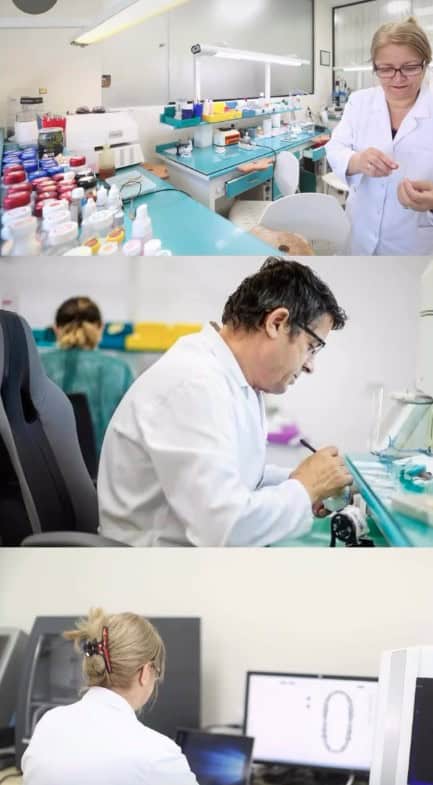
Kissdent staff have done a wonderful job. The clinic and lab are located on the same premises so they are able to adjust the tooth colour and overall bite precisely.
All excellent quality work and material for a very reasonable price. Unbeatable in Europe and North America.
Kissdent clinic is pristine in terms of cleanliness, ambient and warm in atmosphere….but the best is the staff and the relief you feel knowing that you are in good hands. They are very professional and communicative (in english and several other languages). They take the time and do not rush you through.
They can do any form of dentistry…from cosmetics to implants and orthodontics but they do not try to sell you more services than you need. They respect strong and healthy teeth.
Thank you all very much for your great service and for my new smile!!!
Ich bin zum dritten Mal in der Praxis Kiss Dent. Ich bin absolut begeistert!
Ich hab ein Implantat am Frontzahn bekommen. Das war vor einem halben Jahr, die Behandlung war sehr sanft, sehr einfühlsam und ist fantastisch verheilt. Es hat nicht einen Moment wehgetan und ich hab mich jederzeit gut aufgehoben gefühlt.
Die Praxis ist top ausgestattet und die Mitarbeiterin sind alle sehr nett. Die Termine sind pünktlich, es gibt keine Wartezeit und die Arbeit ist absolut akkurat.
Jetzt hat man mir im dortigen Labor zwei Kronen angefertigt, die absolut natürlich und passgenau gearbeitet sind. Wirklich fantastische Arbeit. Die größte Herausforderung, Kronen im Frontbereich, haben die Ärztin und das angeschlossene Labor zu meiner vollsten Begeisterung gemeistert!
Ich kann diese Klinik nur allen sehr ans Herz legen.
Die Reise lohnt sich und ich komme auf jeden Fall wieder.
Get Your 100% Free Personalized Dental Quote
Receive a free personalized quote and discover the best treatment options for your smile. Speak directly with a dentist in Albania! Our specialists at KissDent will provide a free assessment based on your panoramic X-ray and individual dental needs.
Frequently Asked Questions
Functionally, both use the same tooth-coloured composite resin material applied directly to the tooth. A cosmetic filling restores a tooth damaged by decay or fracture. Composite bonding corrects a tooth that is structurally intact but has an aesthetic concern — a chip, a gap, a discoloured area. The technique is the same; the clinical purpose differs.
For cosmetic bonding on intact teeth, no anaesthetic is usually needed. The surface is lightly prepared, and the procedure is painless. For fillings where decay is being removed, local anaesthetic is used and the procedure is not painful.
Yes, with careful shade selection. At KissDent, shade matching for front teeth is done under controlled lighting before the procedure begins. The composite is built in layers with different shades where needed to replicate the natural variation within a tooth — not as a single uniform colour.
Most cases are completed in a single appointment of 30 to 90 minutes, depending on how many teeth are treated. There is no laboratory fabrication and no second visit required for the bonding itself.
No. Composite can chip, stain, or wear over time and will eventually need replacement or touch-up. It is, however, fully reversible — no tooth structure is permanently altered in most cosmetic bonding cases. This makes it one of the most conservative aesthetic options available.
They serve different clinical situations. Composite bonding is faster, less expensive, reversible, and appropriate for minor corrections. Porcelain veneers last longer, are more stain-resistant, and are more appropriate for patients wanting a comprehensive, long-lasting aesthetic transformation. We present both options honestly and recommend the one that fits the patient’s clinical situation and goals.