
Fillings & Cavity Treatment in Albania

Children’s fillings and cavity treatment in Tirana at KissDent are carried out gently, efficiently, and in a way that does not leave your child dreading their next dental visit. We treat decay in baby teeth and permanent teeth using certified materials and child-friendly techniques.
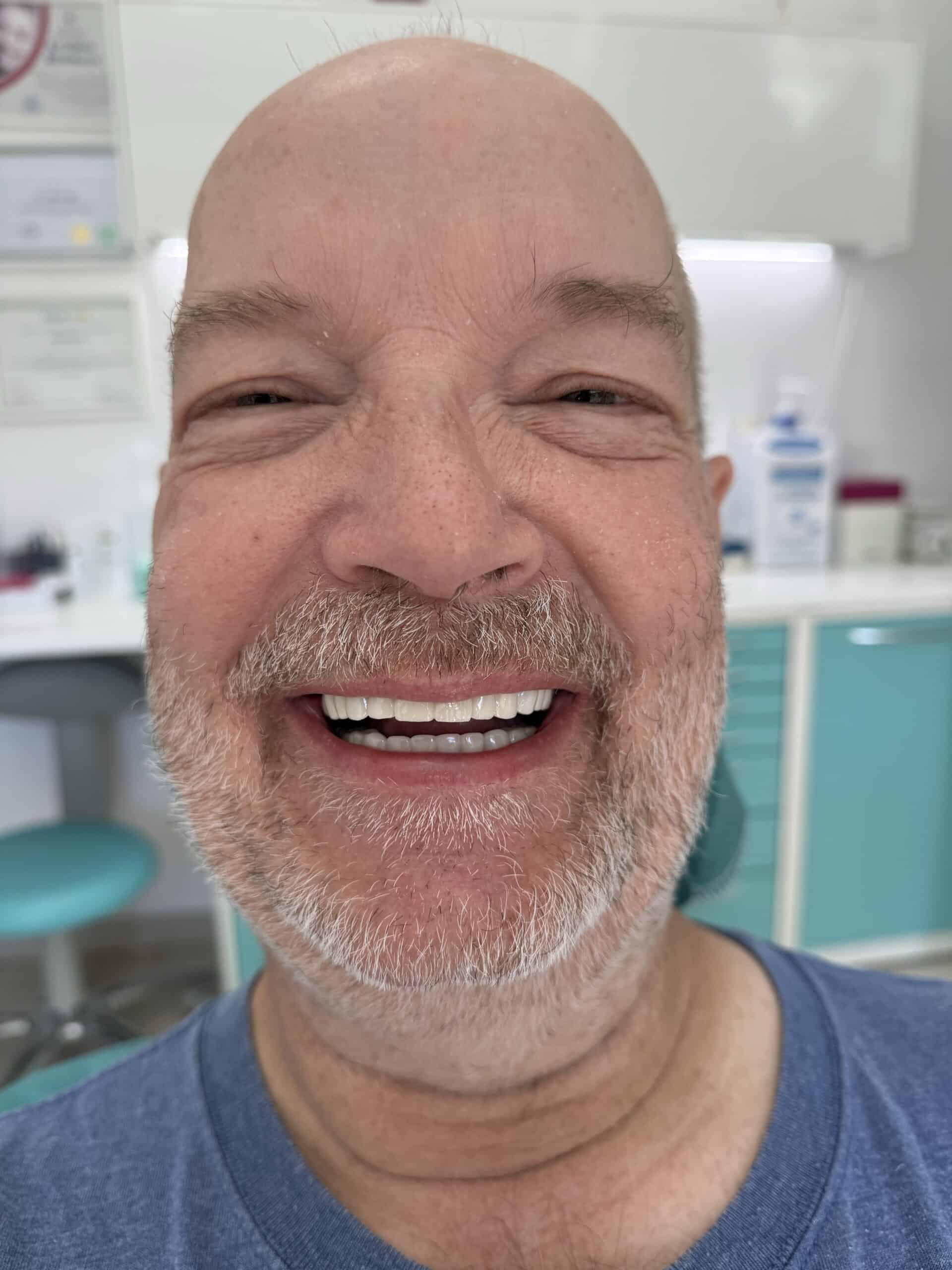
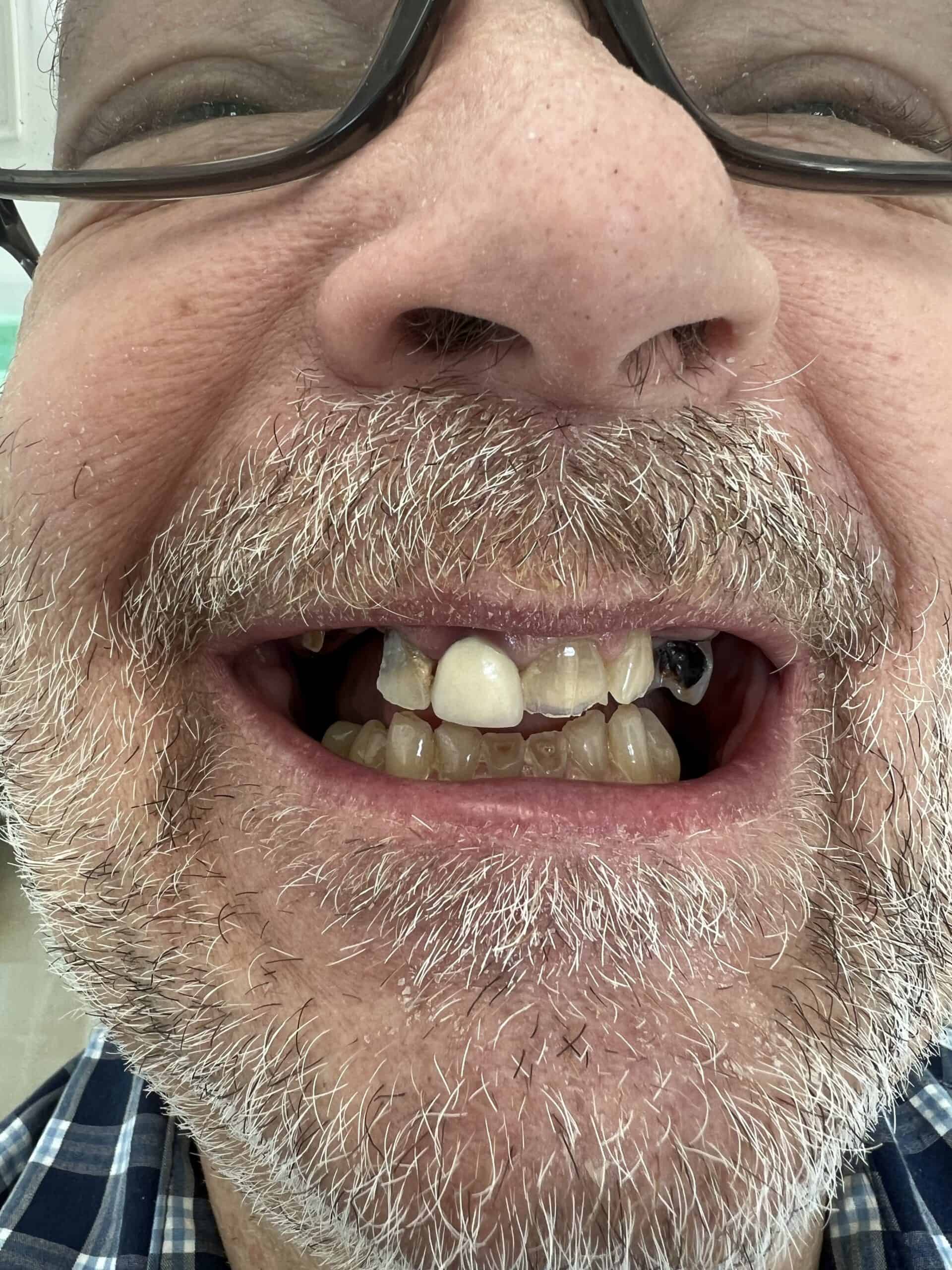
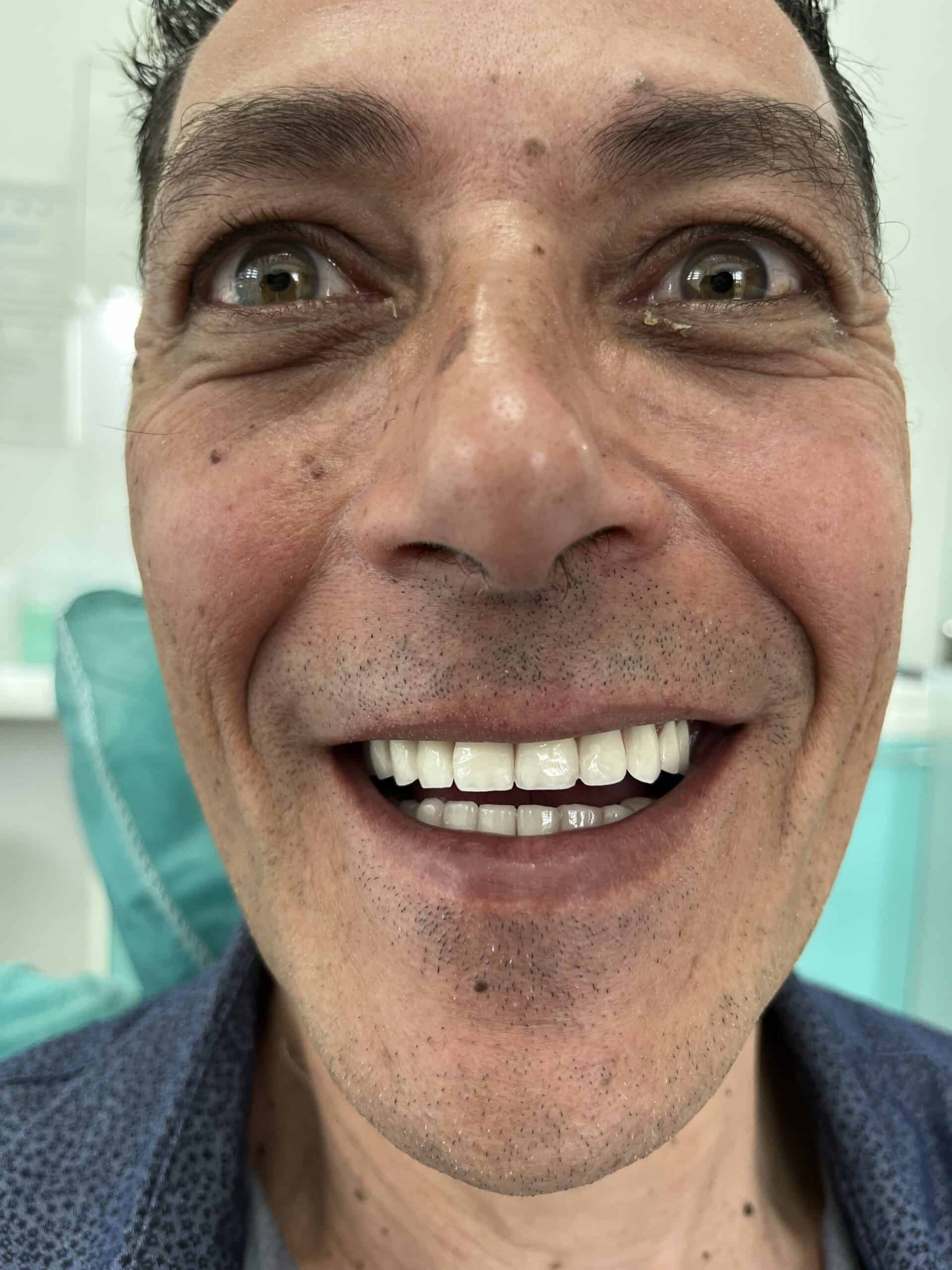
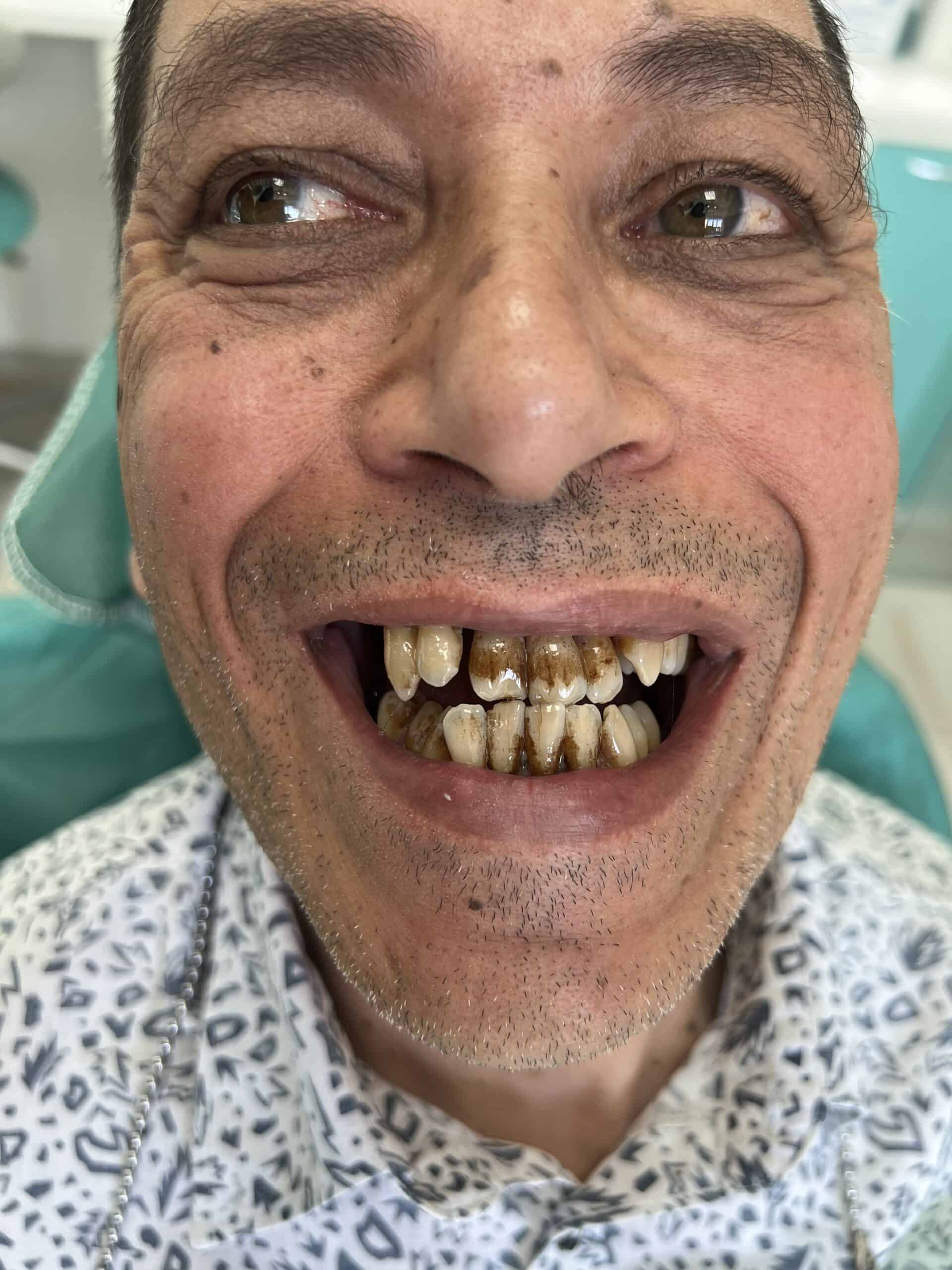
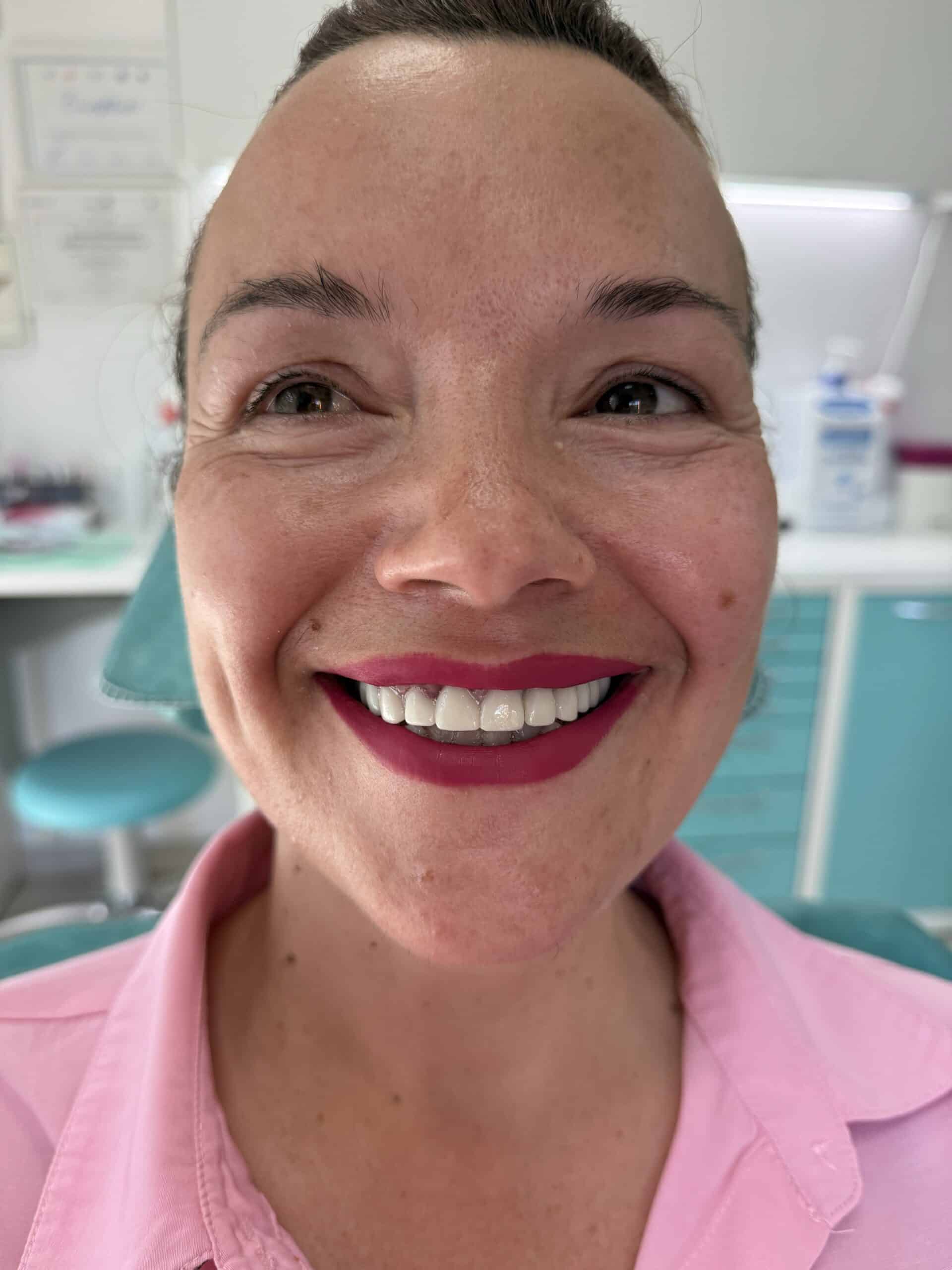
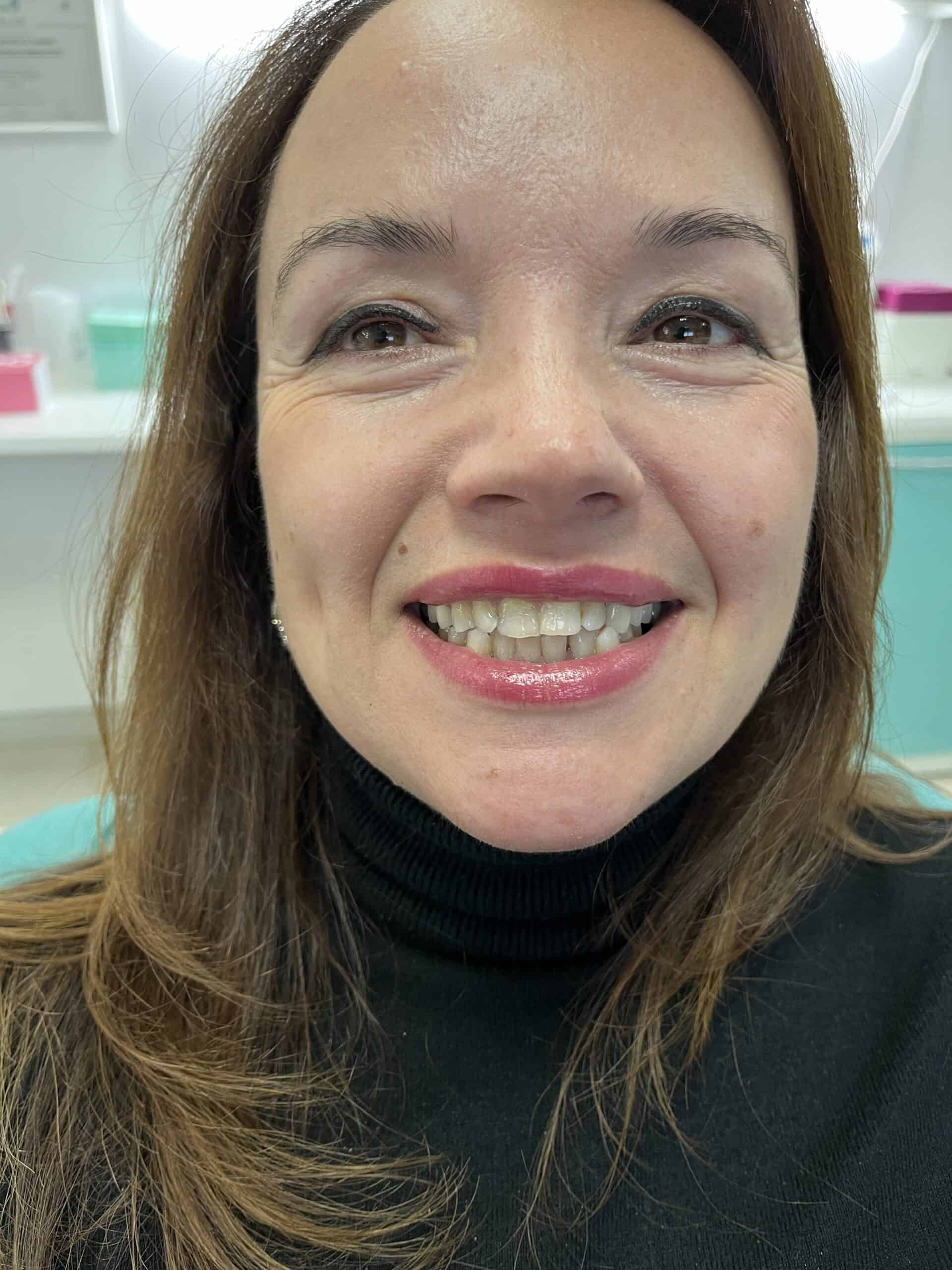
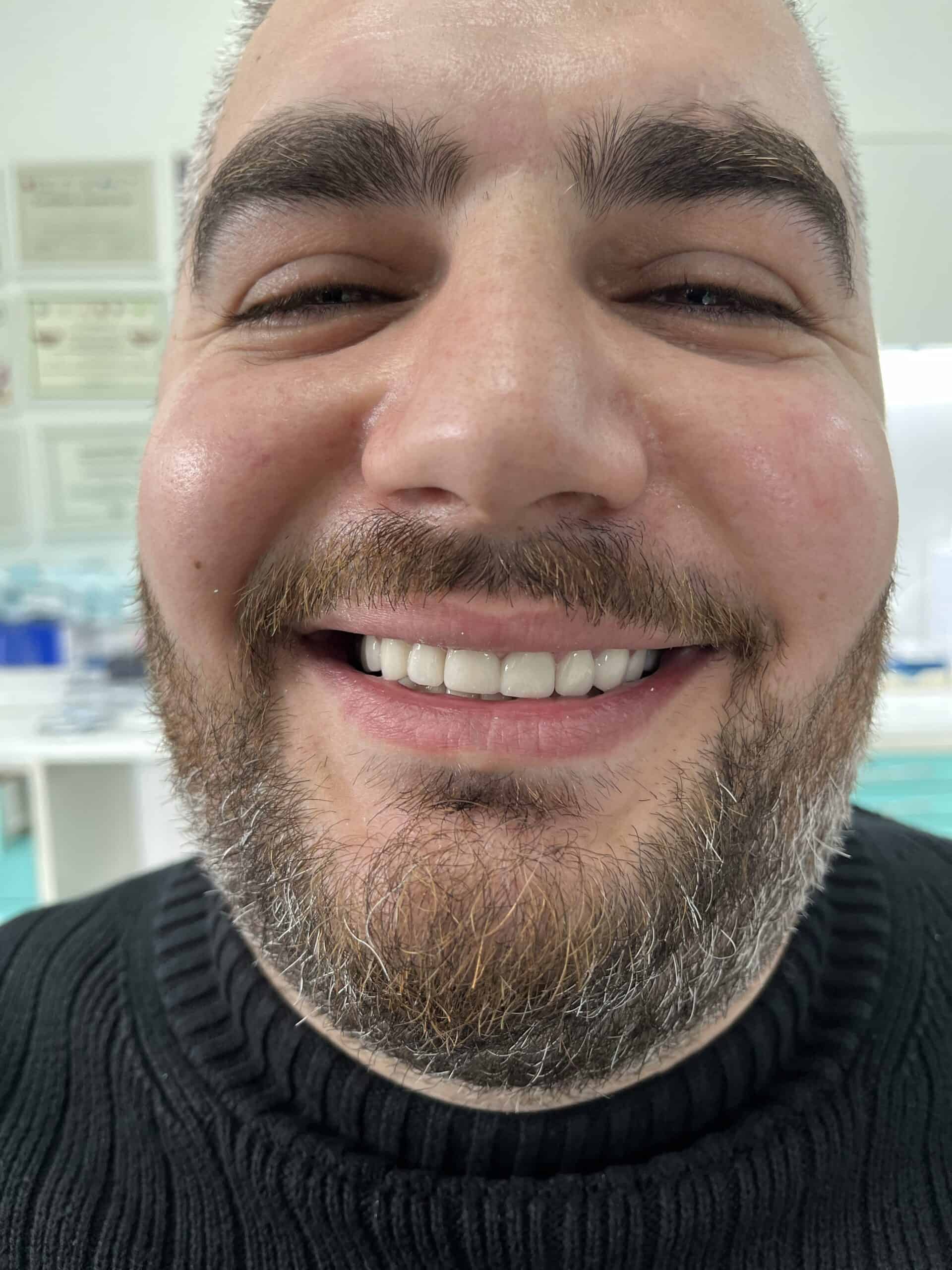
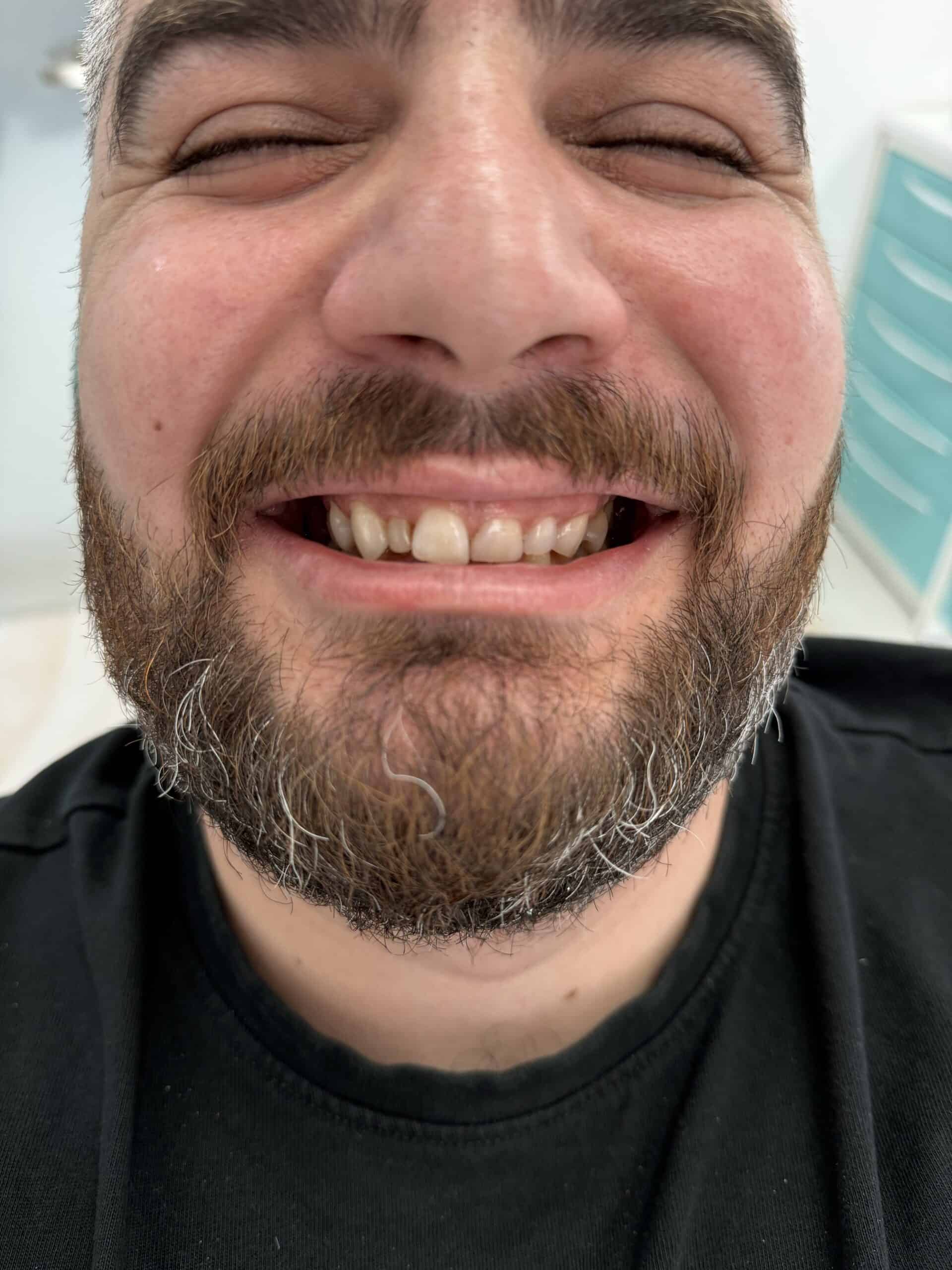
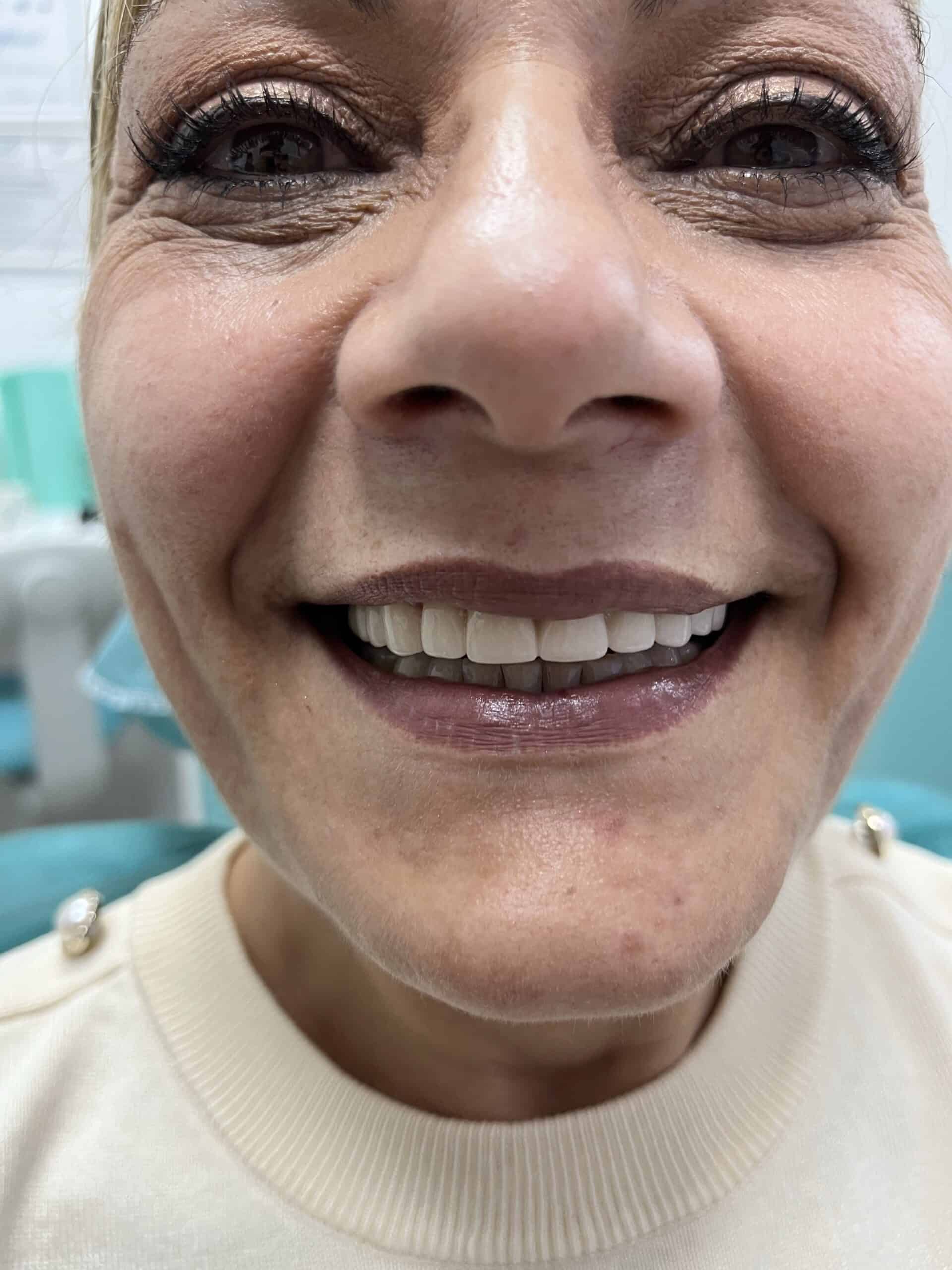
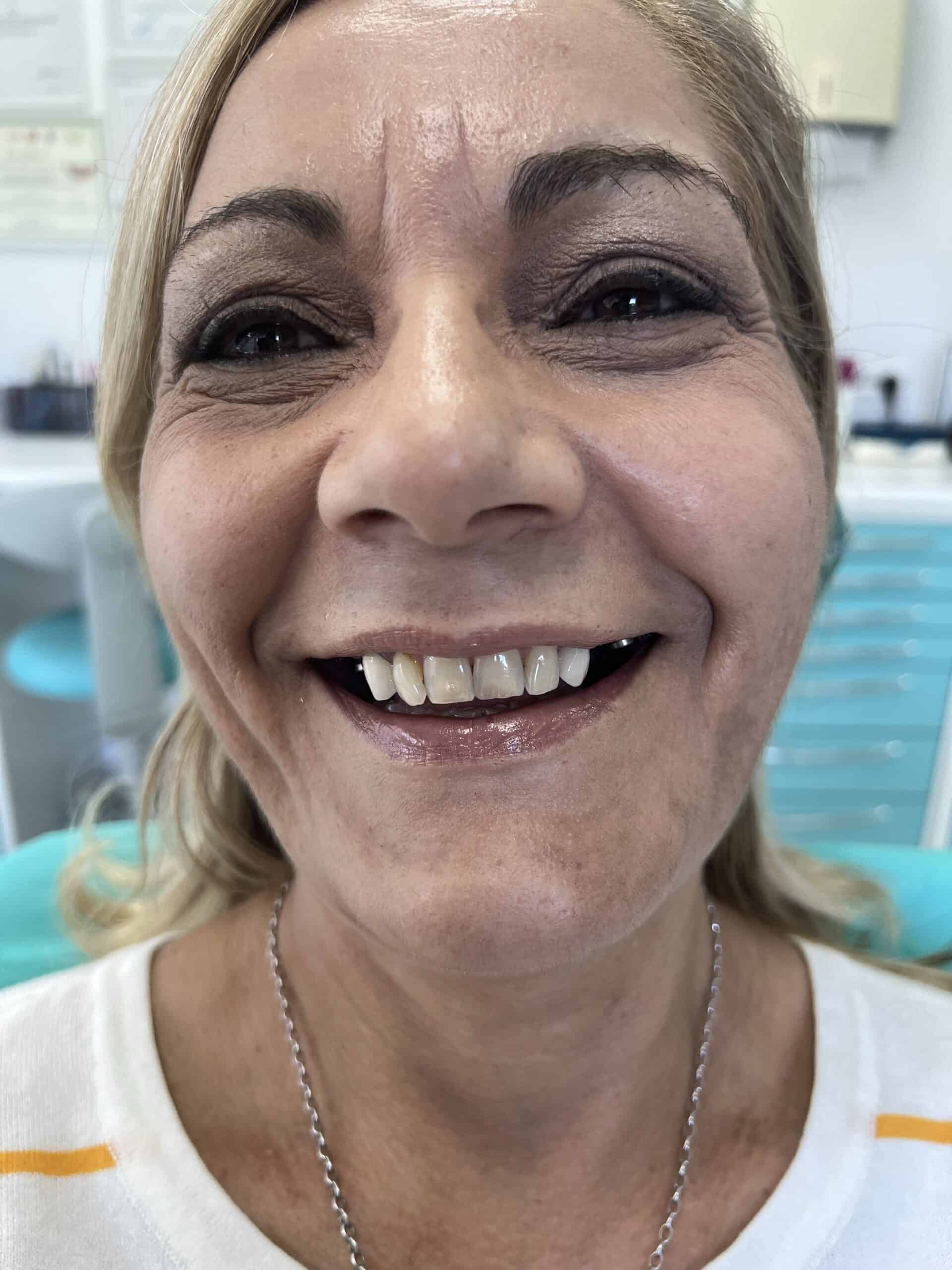
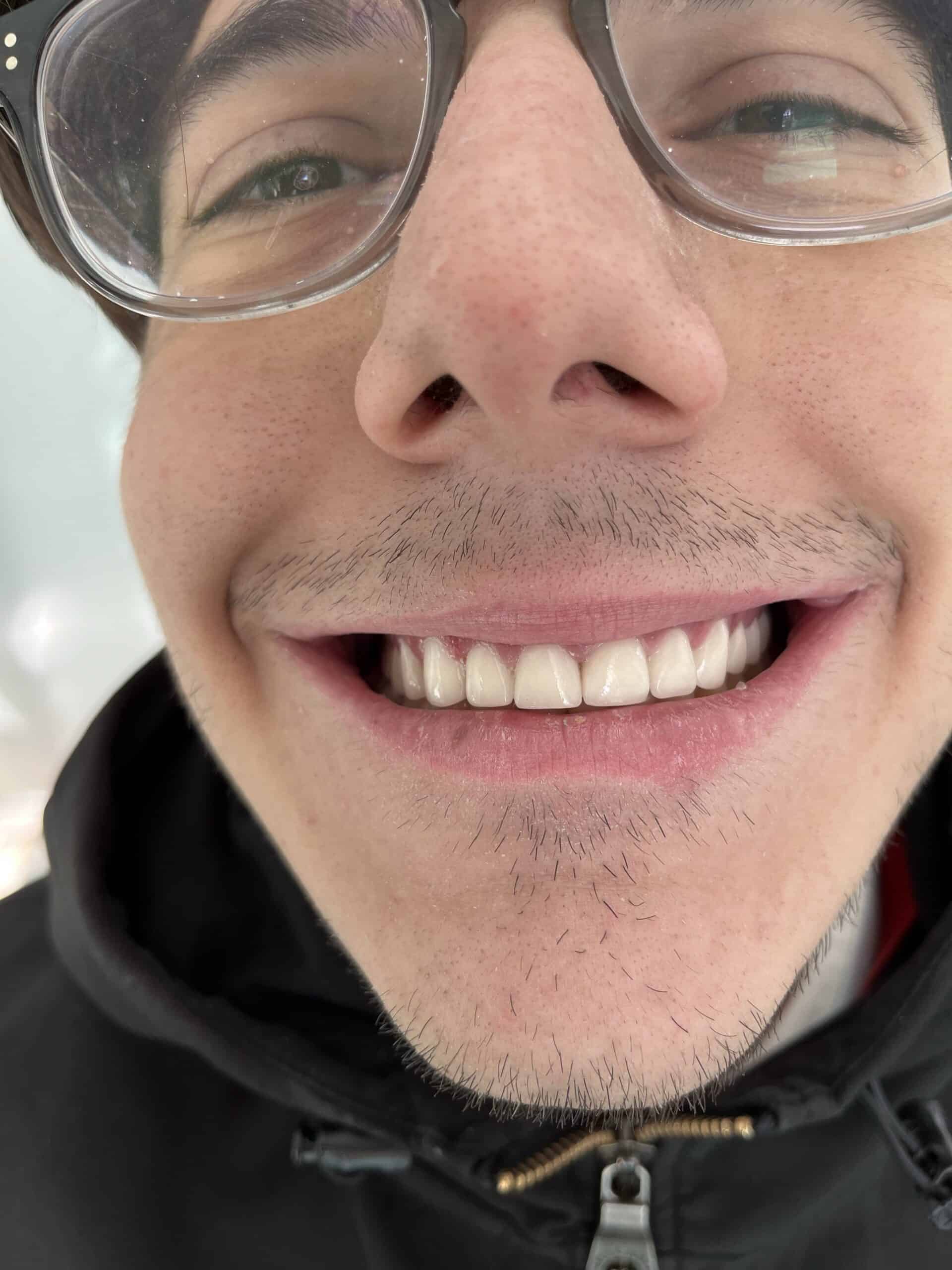
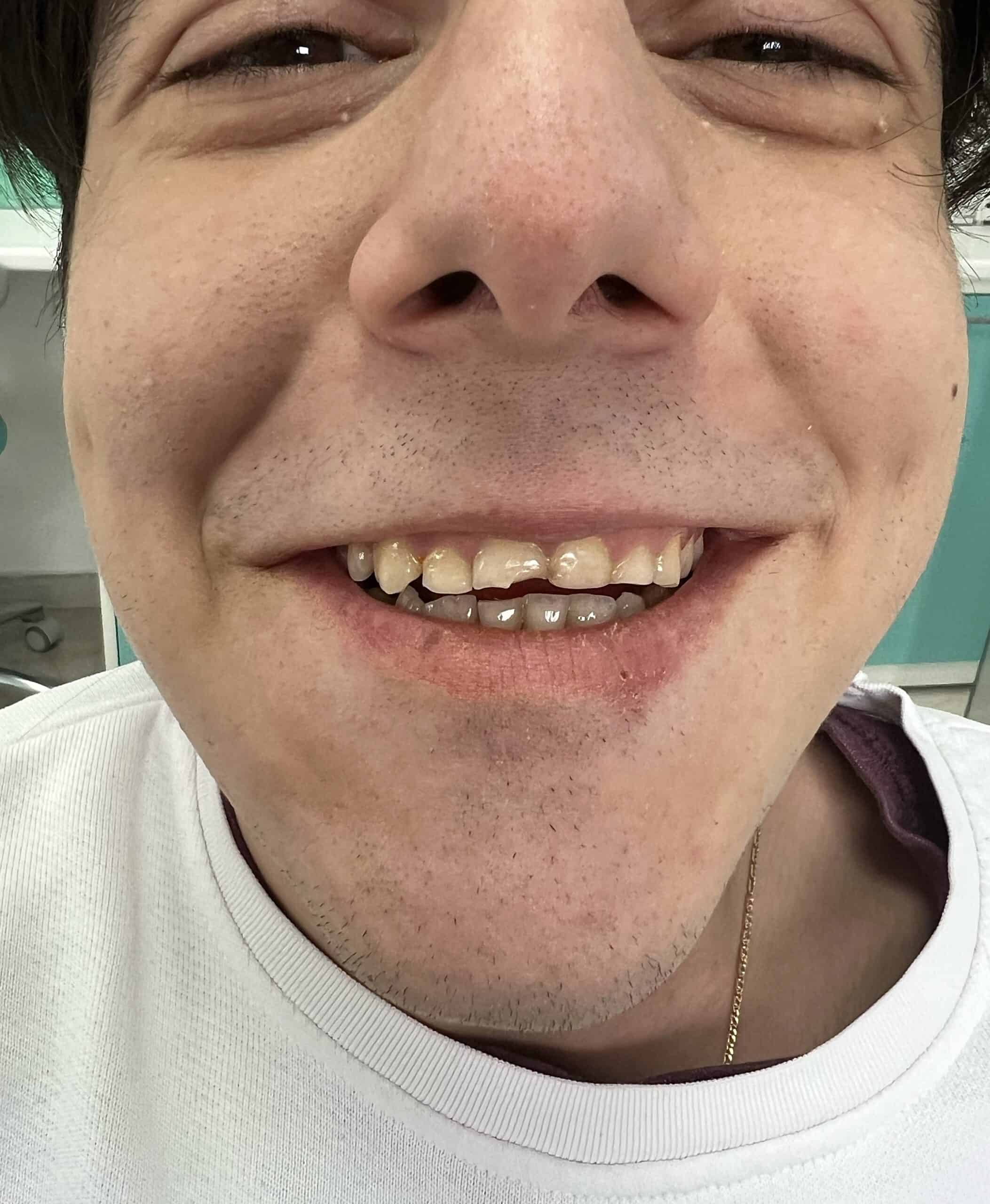
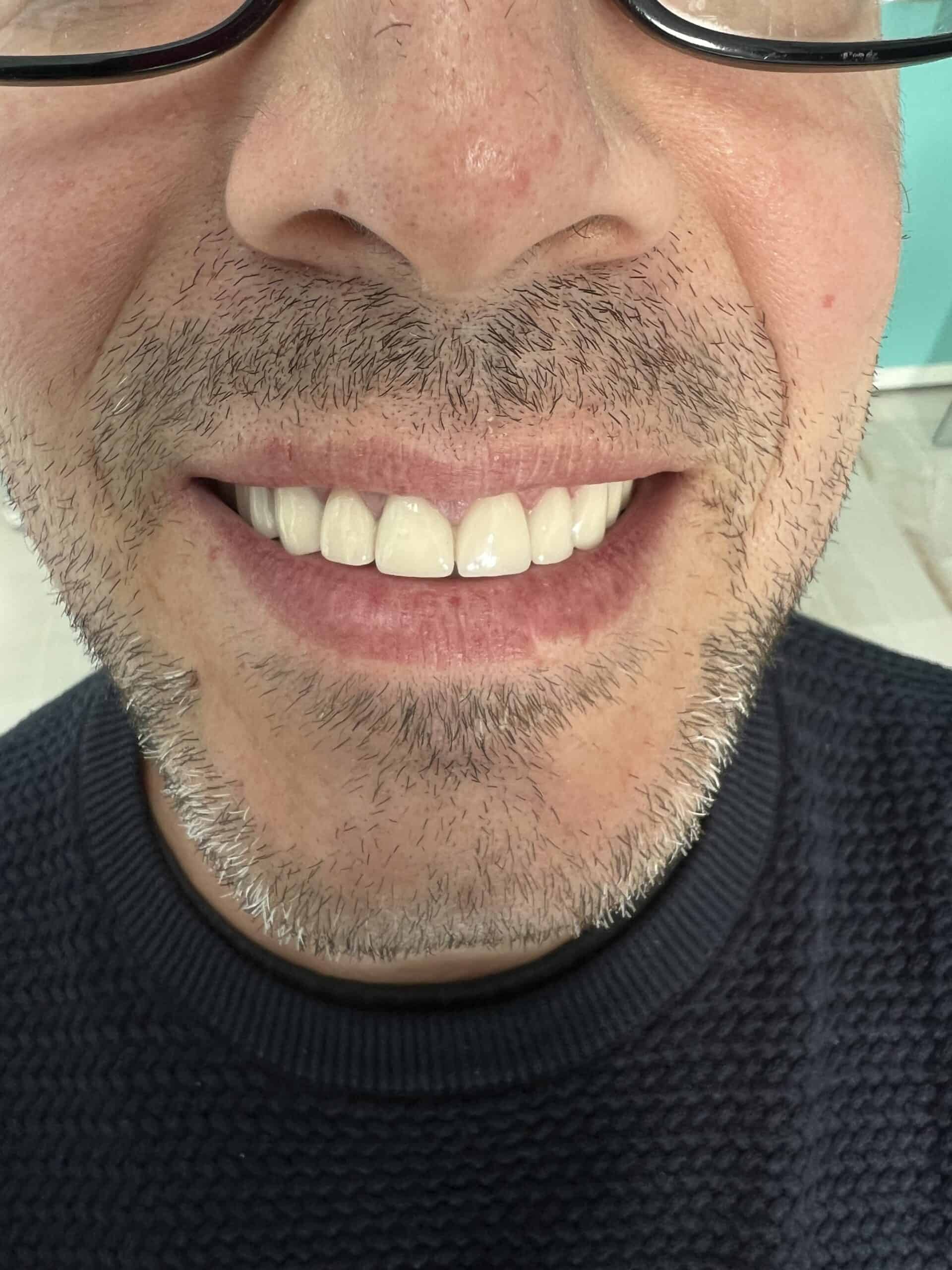
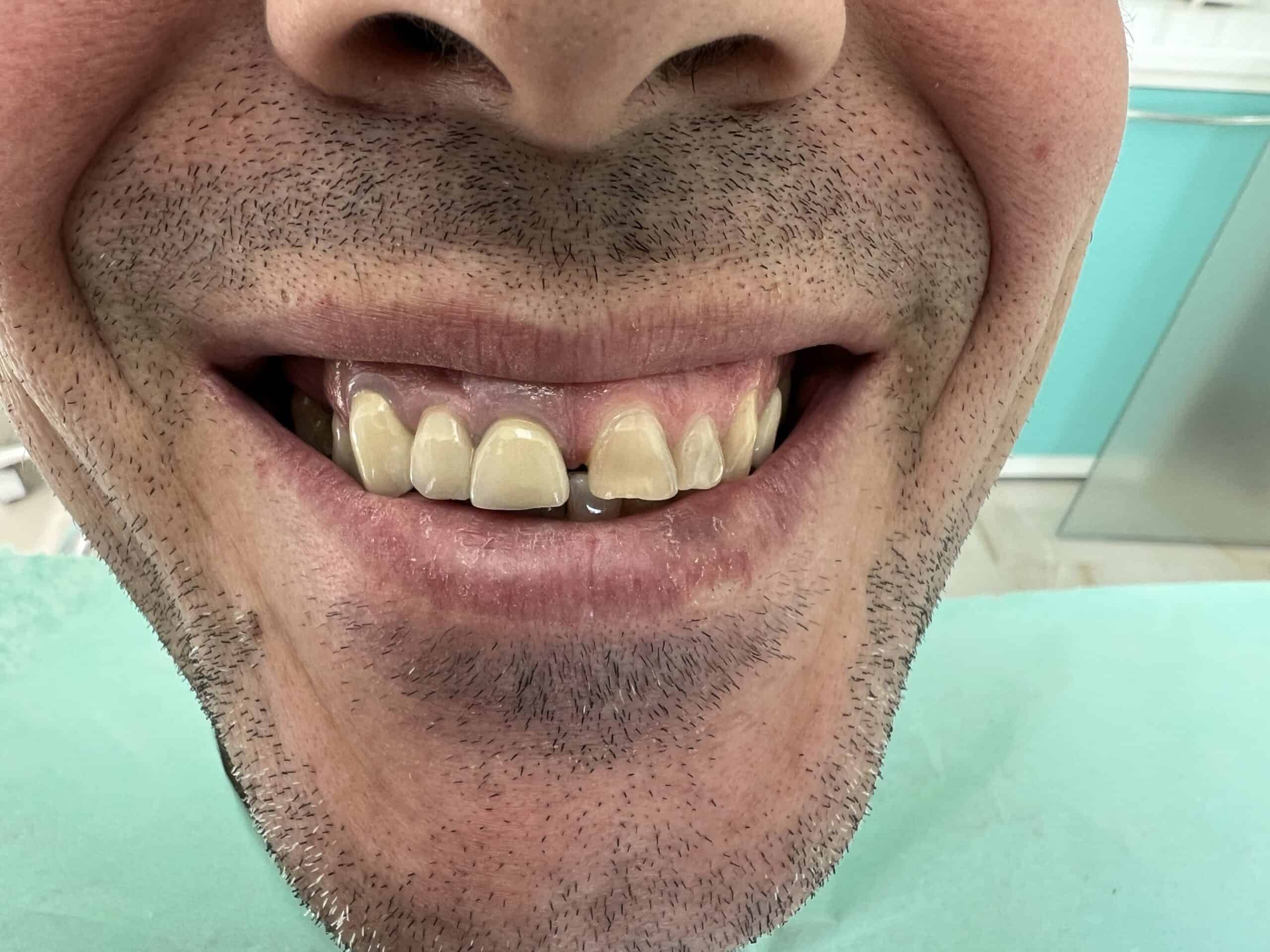
Our Patients’ Testimonials | Before and After
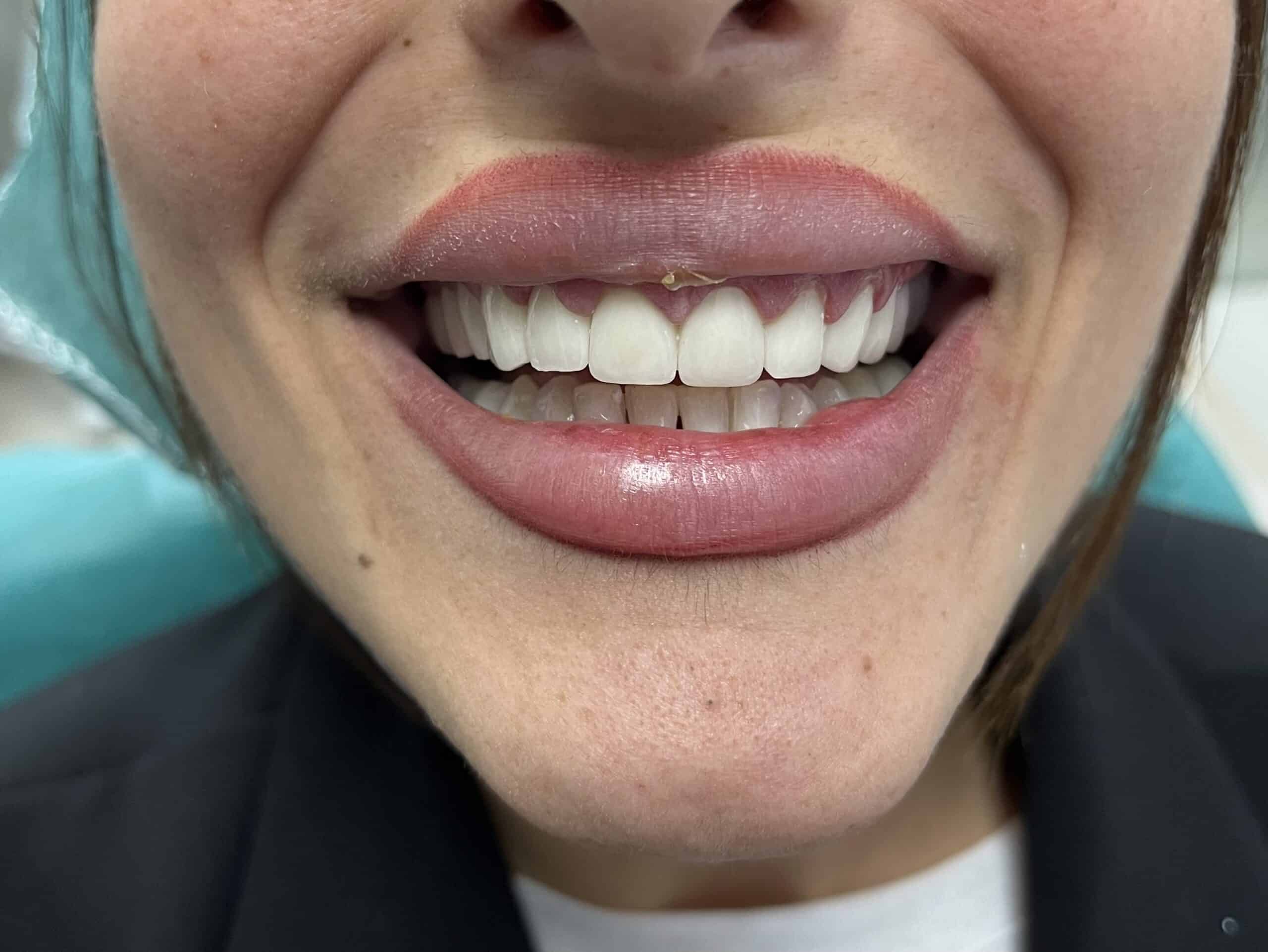
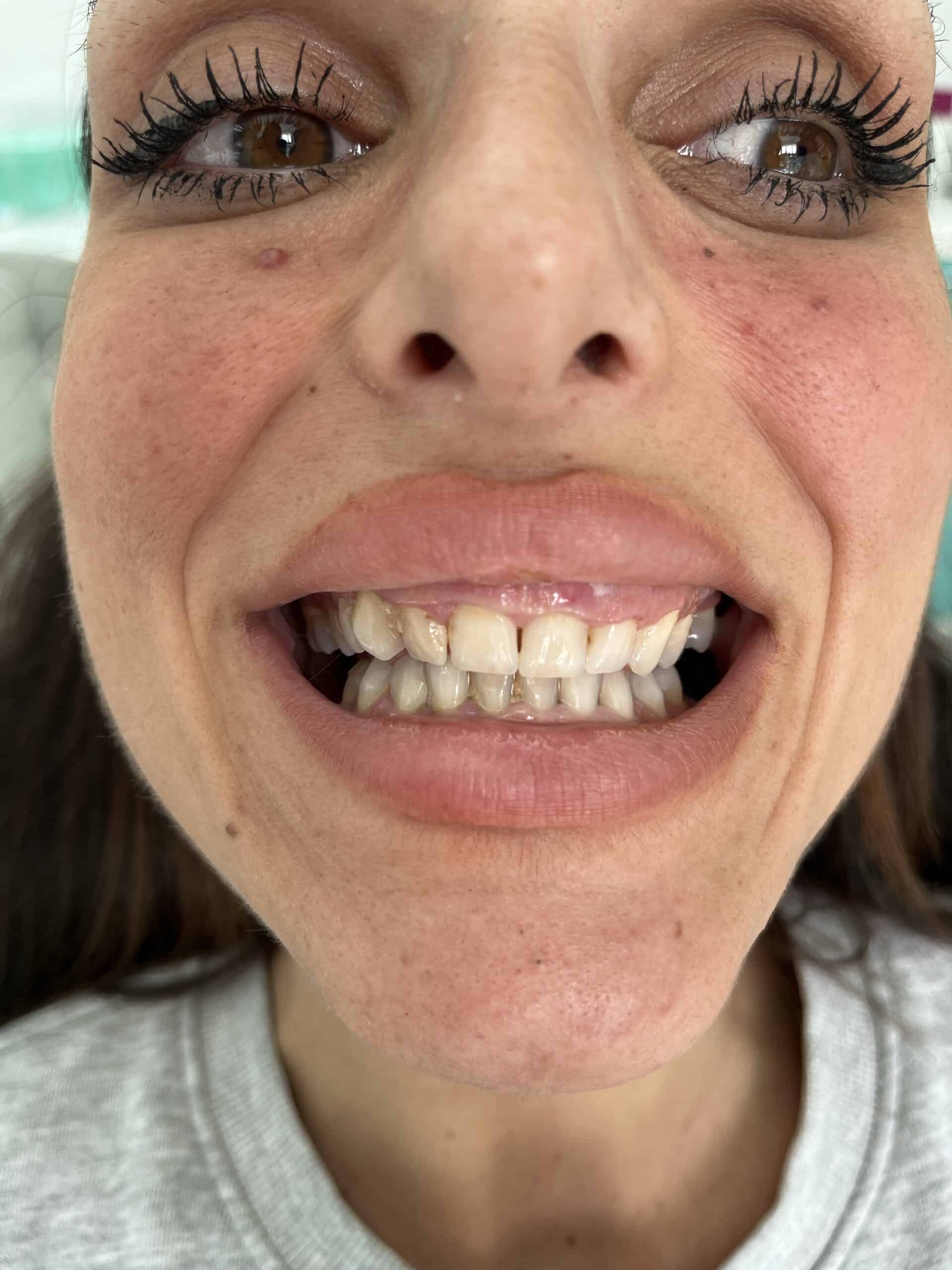
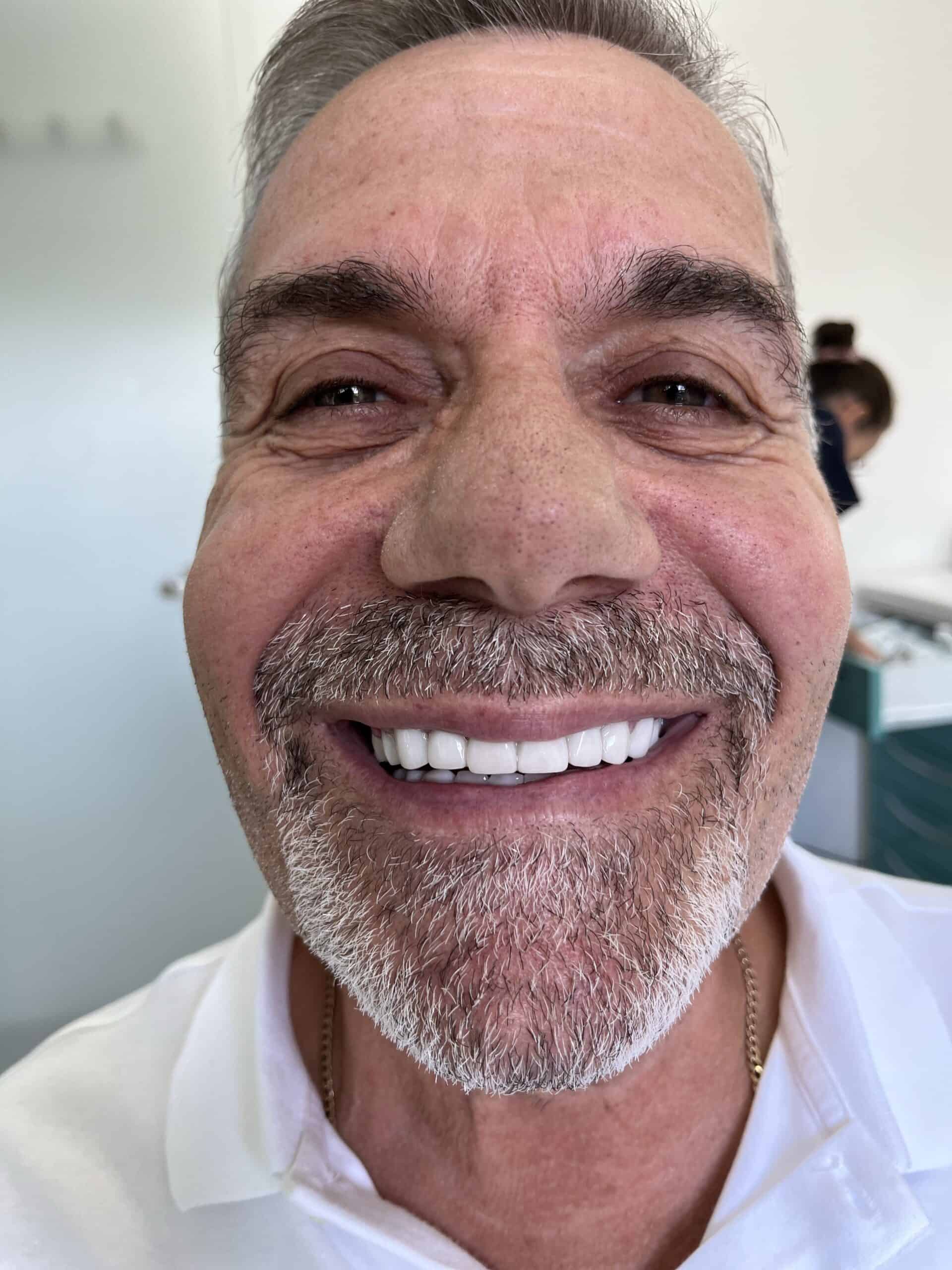
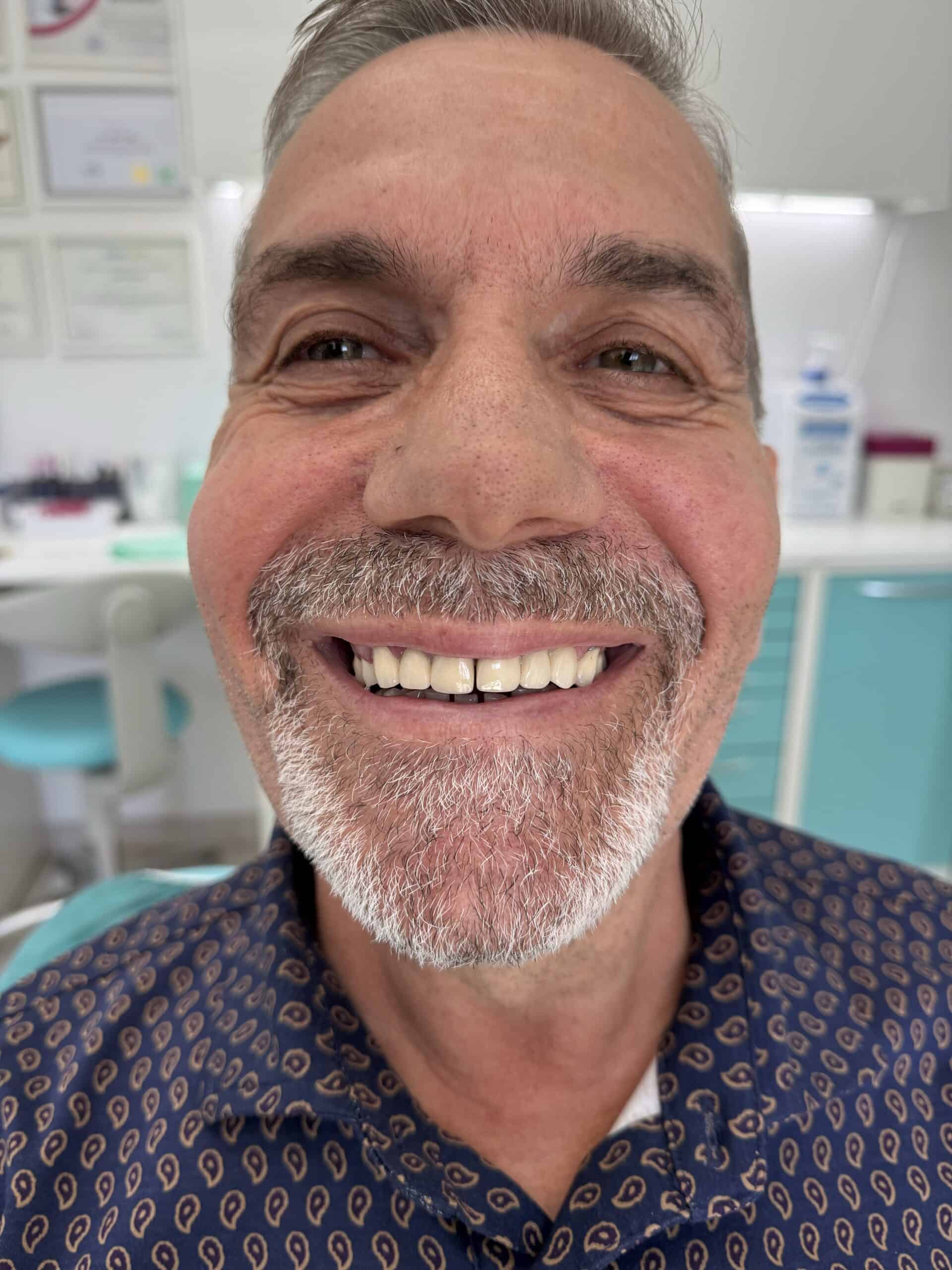
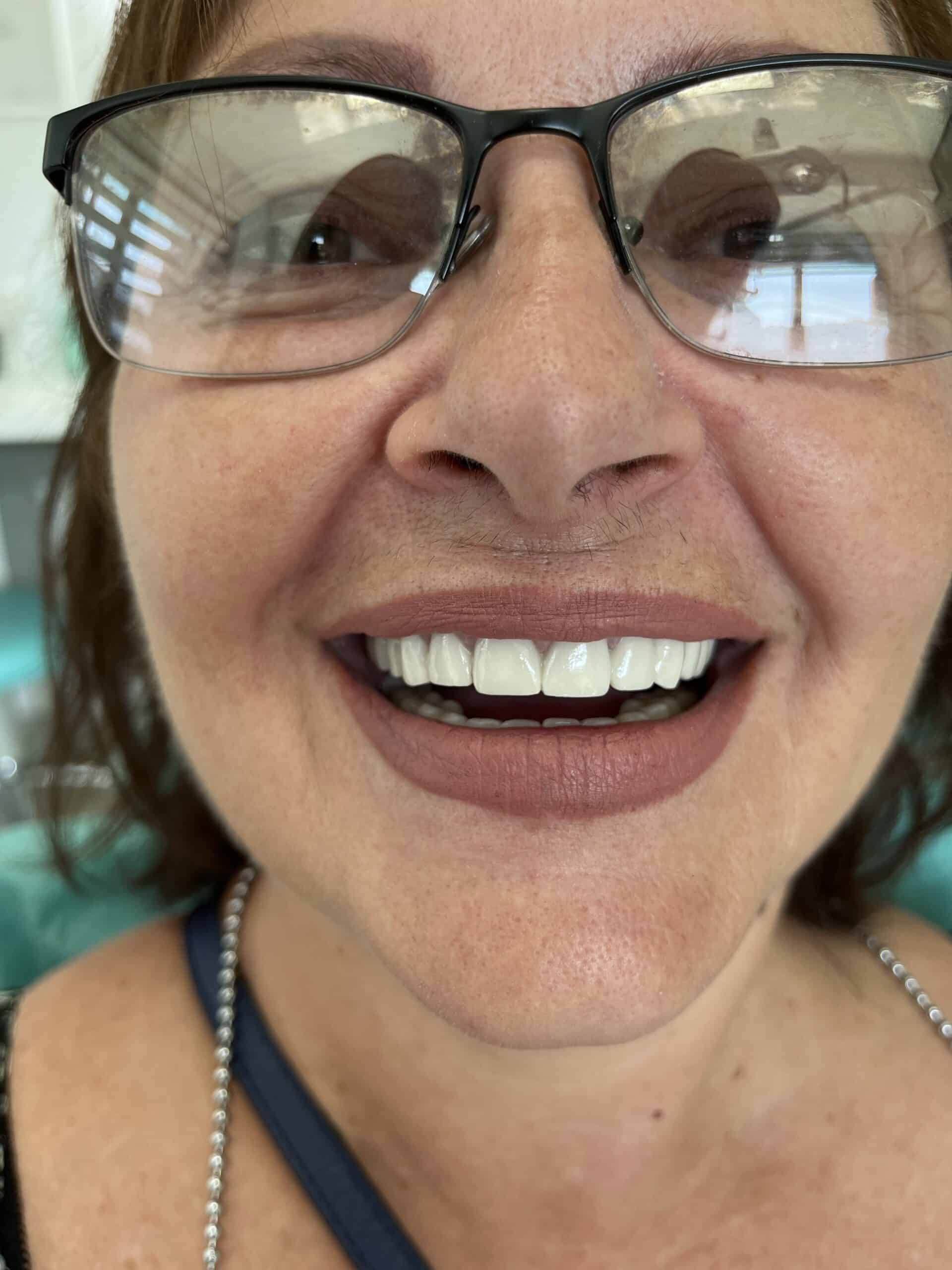
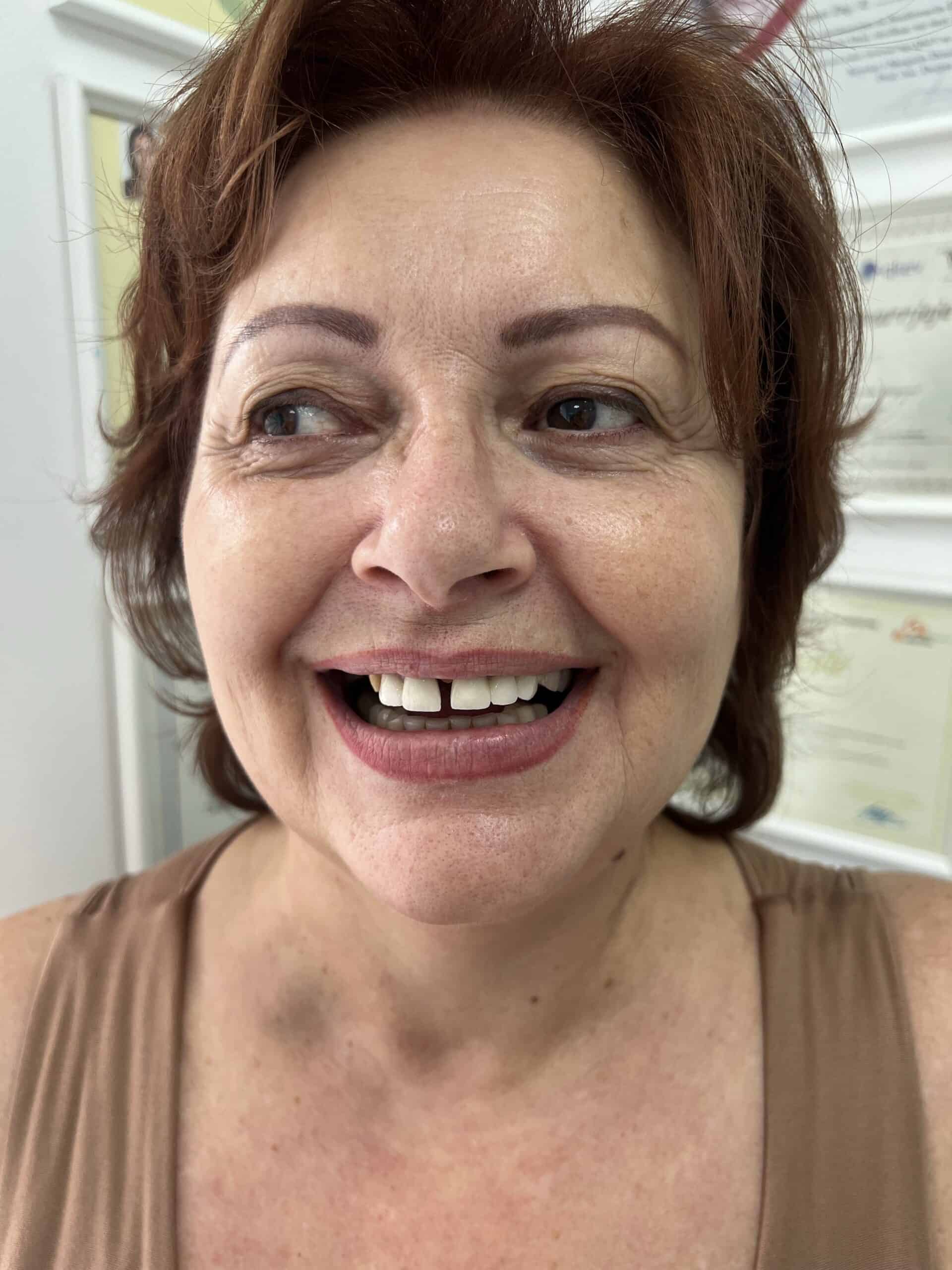
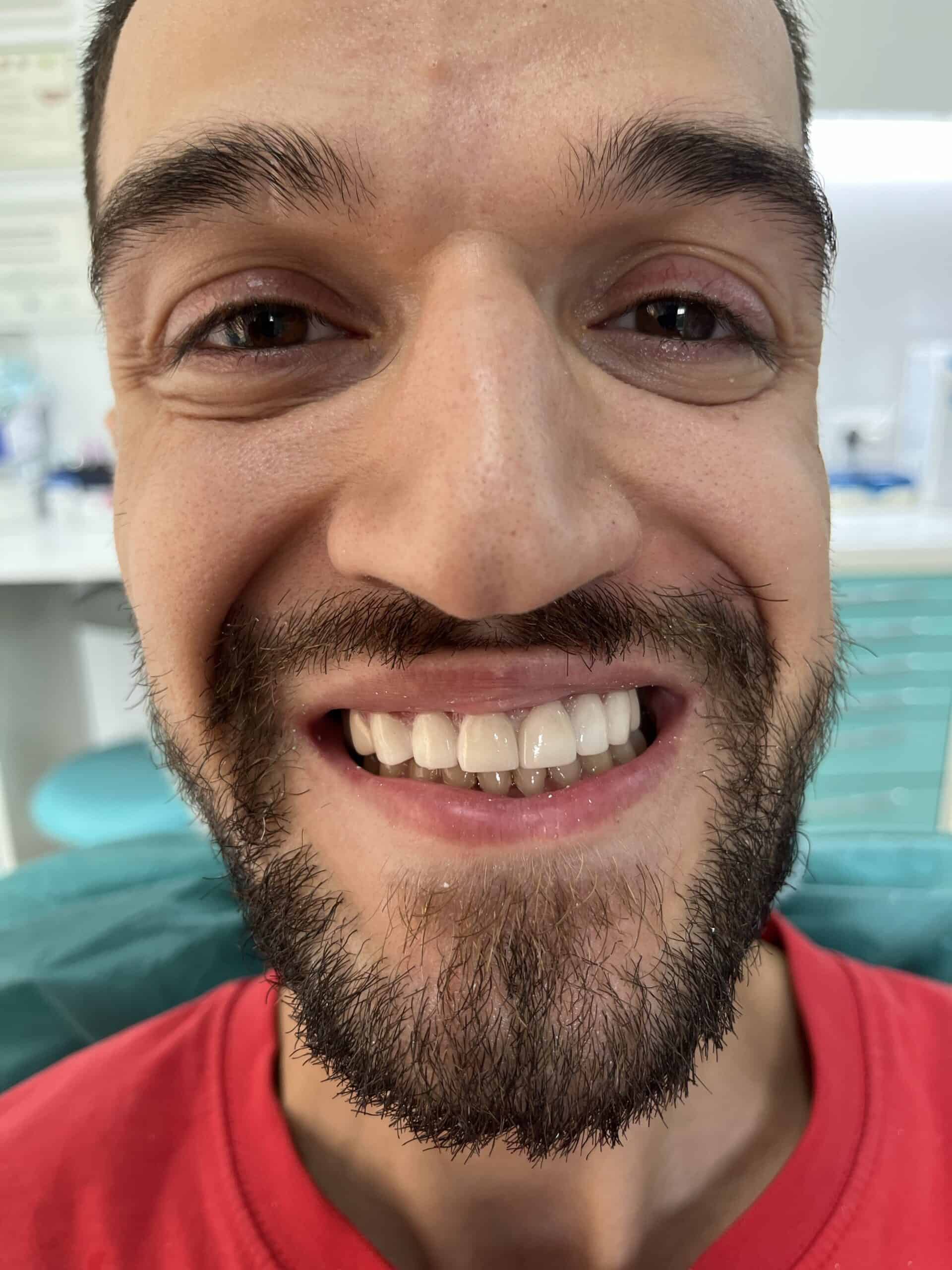
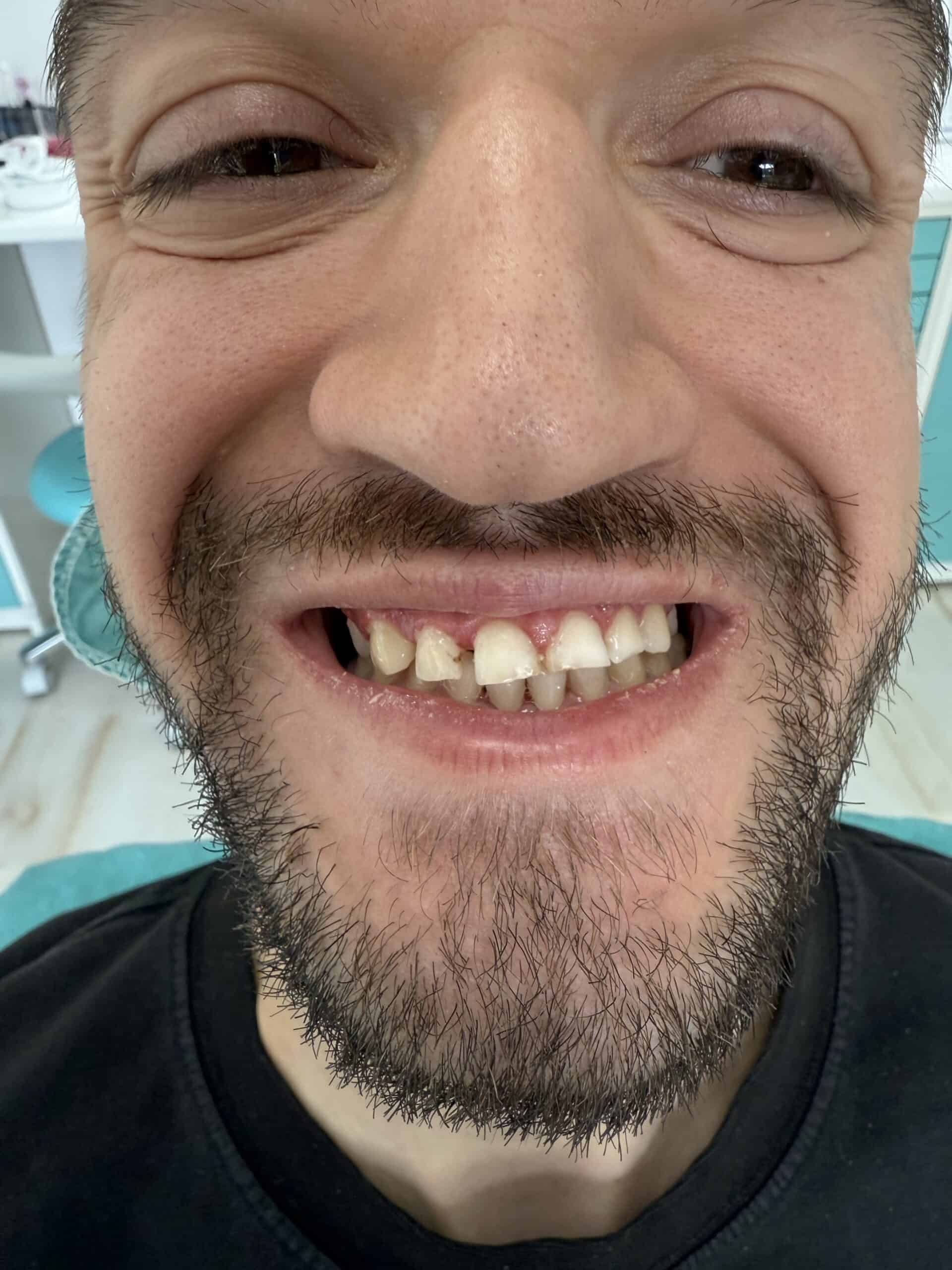
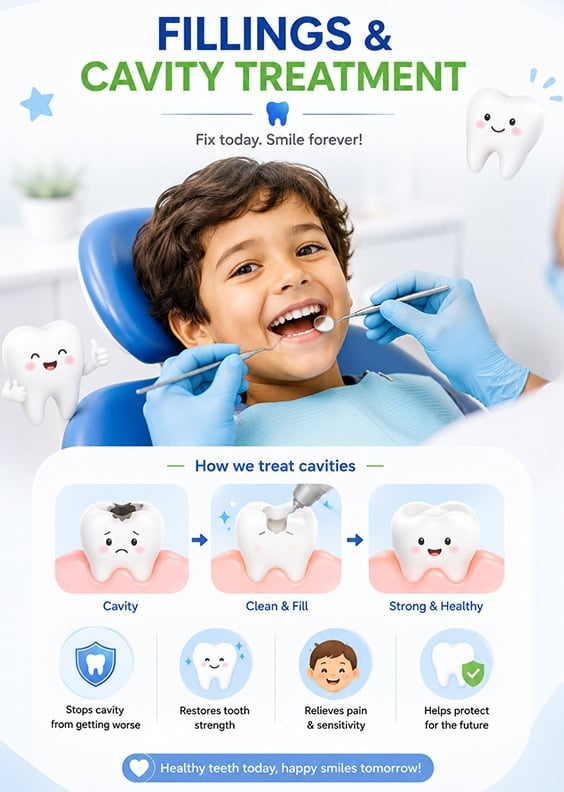
How Are Children’s Fillings Done at KissDent?
The approach we take to children’s fillings at KissDent is built around making the appointment as manageable as possible for the child, without compromising on the quality of the clinical work.
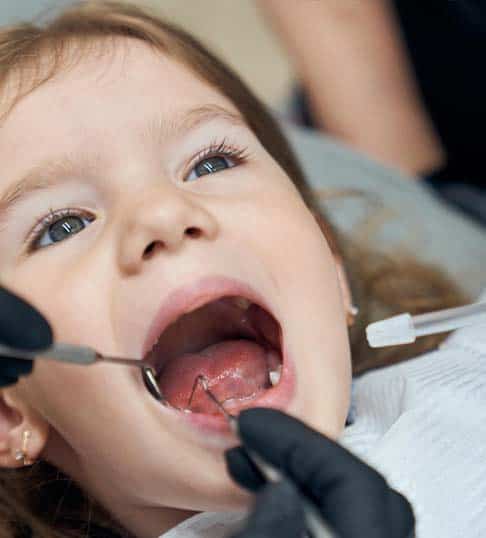
We begin by explaining to the child in simple, age appropriate language what is going to happen, using terms that do not create unnecessary anxiety. Local anaesthesia is applied using a topical numbing gel before the injection, so the child feels only minimal pressure rather than a sharp sensation. We work at the child’s pace, check in regularly throughout the appointment, and never rush a step that the child is not ready for.
The decay is removed and the tooth is filled with a tooth coloured composite material that matches the natural shade of the tooth. For baby teeth in areas where aesthetics are less critical, we may recommend alternative materials depending on the size and location of the cavity. We explain the options clearly to parents before any treatment begins.
The entire appointment for a straightforward filling typically takes thirty to forty-five minutes. Most children, even those who arrive anxious, leave having found the experience considerably more manageable than they anticipated.
What to expect
Suitable from first tooth eruption through to teenage years
Topical numbing gel applied before local anaesthesia
CE certified materials throughout
Friendly approach for anxious children
The smile you want, now closer to you!
Transform your smile with our all-inclusive dental packages, which include treatment, airport transfer and accommodation.

Dental Technology in Albania
Patients Treated
Years of Experience
All-Inclusive Treatments
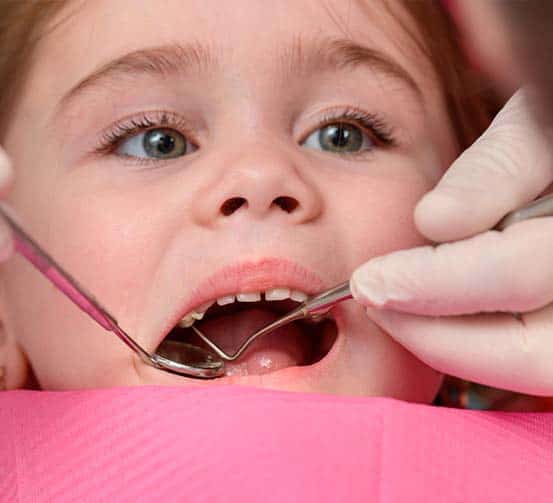
Should You Treat Cavities in Baby Teeth?
It is one of the most common questions parents ask. The teeth are going to fall out anyway, so does it matter if they have decay?
It does, and significantly so. Baby teeth hold the space that permanent teeth need to erupt correctly. A baby tooth lost too early due to untreated decay can cause the neighbouring teeth to shift into the gap, disrupting the path of the incoming permanent tooth and creating crowding that may require orthodontic treatment later. Decay in baby teeth also causes pain, affects eating and speech, and can spread to adjacent teeth if left untreated.
Beyond the immediate clinical reasons, there is the question of what untreated decay teaches a child about dental visits. A child who experiences toothache and a difficult extraction learns that the dentist is somewhere you go when things are already bad. A child whose decay is caught early and treated gently learns something quite different.
Our trusted brands:











How Do We Know If a Child Has a Cavity?
Children rarely report tooth pain until decay is quite advanced. By the time a child mentions a sore tooth, the cavity has usually been developing for months. This is one of the strongest arguments for regular dental check-ups from an early age, even when a child has no complaints.
At a check-up at our dental clinic in Tirana, we examine every tooth surface visually and with a dental probe, and take digital X-rays where indicated to detect decay between teeth that cannot be seen during a visual examination. Early cavities caught at this stage are small, straightforward to treat, and require minimal intervention. Cavities caught later are larger, more difficult to treat, and more likely to cause distress during the appointment.
Signs that may indicate a cavity in a child include sensitivity to sweet, hot, or cold foods, visible dark spots or holes on the tooth surface, complaints of pain when chewing, or simply a child who has started avoiding food on one side of their mouth. If you notice any of these, an appointment sooner rather than later is always the right call.
What Materials Do We Use for Children’s Fillings?
At KissDent we use only CE certified restorative materials for children’s fillings. Our standard for tooth coloured restorations is Asteria by Tokuyama Dental from Japan, a composite material chosen for its strong bond to tooth structure, natural appearance, and durability under the chewing forces that children’s teeth are exposed to.
For baby teeth in specific clinical situations, stainless steel crowns or glass ionomer materials may be recommended depending on the extent of the decay and the expected lifespan of the tooth. We always explain the reasoning behind our material choice and present the options to parents before proceeding.
Every material used in your child’s treatment is documented in their clinical record.
Contact us for a free online evaluation and a personalized dental plan!
Contact Us for a Free Consultation
Contact
Message or call us and tell us what you would like to change about your smile. You can send photos, videos, or a recent X-ray so our team can better understand your case.
Consultation
Our dentists will review your details and recommend the best treatment options for you. You’ll receive a clear plan, estimated timeline, and transparent pricing before making any decision.
The Journey
Once your treatment is confirmed, we help organize your visit. From airport pickup to your first clinic appointment, our team will guide you and make everything feel easy.
Treatment
Your treatment begins with a full in-clinic examination and final smile planning. Our dentists then work carefully to create a healthy, natural-looking smile you can feel confident about.
Preventing the Next Cavity
Treating a cavity is one part of what we do. Preventing the next one is equally important. Every filling appointment at KissDent includes a conversation with parents about the dietary and hygiene factors that contributed to the cavity and practical guidance on what to change going forward.
We also assess whether fluoride treatment and fissure sealants would be appropriate for your child at this stage. A sealed molar is significantly harder to decay than an unsealed one, and a fluoride application every six months strengthens enamel against the acid attacks that cause decay.
These are the tools that break the cycle of repeated cavities rather than simply treating each one as it appears.
Trusted by patients from all over the world, KissDent is committed to making every journey to a smile as comfortable, clear, and worthwhile as possible.

Sono stato ospite presso la clinica Kissdent di Tirana la scorsa settimana per effettuare degli impianti. Sono rimasto a dir poco sorpreso per la cortesia, la disponibilità, la gentilezza e la professionalità dei medici e di tutto il personale dipendente. Sono stato accolto all’aeroporto dal proprietario della clinica e dall’interprete con molta simpatia e familiarità. Prima di raggiungere la clinica avevo qualche dubbio ma, mi sono ricreduto da subito, quando ho assaporato la tendenza positiva che anima gli operatori (tutti, nessuno escluso). Ho trovato due dottoresse molto pazienti che mi hanno fatto sentire a mio agio e mi hanno ben consigliato sui lavori da eseguire. L’interprete straordinaria, non mi ha mai abbandonato (in caso di difficoltà durante il soggiorno potevo raggiungerla telefonicamente ricevendo sempre grande disponibilità e competenza). Mi sono trovato davvero molto bene. Tornerò volentieri a Gennaio per continuare le cure col piacere di incontrare ciascuno/a di loro.
Siamo stati in questa clinica x fare gli impianti, appena arrivati avevamo molti dubbi e ansia non conoscendo nessuno non sapevamo a chi ci stessimo affidando, poi tutto è svanito appena abbiamo conosciuto Berti, Vera, Alba, Renata e il resto dello staff tutti molto gentili disponibili e professionali, non credevamo che in meno di una settimana avremmo fatto metà del lavoro quando in Italia ci sarebbero voluti anni. Siamo rimasti molto contenti per il lavoro svolto, ritorneremo tra pochi mesi per completare il lavoro. Grazie infinitamente
Compliments to the entire team. Very professional, respect your time and plan around your need. They pick you up from the airport and drop you off as well. Came here with my family and my dad decide to do some treatment as well. In 4 days between me and my dad we have done 7 implants. Doctor is so sweet and you wont feel any pain at all. Same goes for extraction and fillings. The whole team is amazing. Located in the heart of the city of Tirana, very clean and like I said NO PAIN AT ALL. Thanks again everyone. See you soon
I went to Kissdent to see about old crowns (30 years old) and recent work that I had done in the EU that I was not happy with. With a panoramic xray (and visual aesthetic check) it was clear what needed to be done.
Fast-forward 2 weeks and I write now, with 9 beautiful new zirconium crowns. They are mostly back molars but one that I worried about most was my left front tooth. I have a difficult tooth colour to match.
Kissdent staff have done a wonderful job. The clinic and lab are located on the same premises so they are able to adjust the tooth colour and overall bite precisely.
All excellent quality work and material for a very reasonable price. Unbeatable in Europe and North America.
Kissdent clinic is pristine in terms of cleanliness, ambient and warm in atmosphere….but the best is the staff and the relief you feel knowing that you are in good hands. They are very professional and communicative (in english and several other languages). They take the time and do not rush you through.
They can do any form of dentistry…from cosmetics to implants and orthodontics but they do not try to sell you more services than you need. They respect strong and healthy teeth.
Thank you all very much for your great service and for my new smile!!!
Ich bin zum dritten Mal in der Praxis Kiss Dent. Ich bin absolut begeistert!
Ich hab ein Implantat am Frontzahn bekommen. Das war vor einem halben Jahr, die Behandlung war sehr sanft, sehr einfühlsam und ist fantastisch verheilt. Es hat nicht einen Moment wehgetan und ich hab mich jederzeit gut aufgehoben gefühlt.
Die Praxis ist top ausgestattet und die Mitarbeiterin sind alle sehr nett. Die Termine sind pünktlich, es gibt keine Wartezeit und die Arbeit ist absolut akkurat.
Jetzt hat man mir im dortigen Labor zwei Kronen angefertigt, die absolut natürlich und passgenau gearbeitet sind. Wirklich fantastische Arbeit. Die größte Herausforderung, Kronen im Frontbereich, haben die Ärztin und das angeschlossene Labor zu meiner vollsten Begeisterung gemeistert!
Ich kann diese Klinik nur allen sehr ans Herz legen.
Die Reise lohnt sich und ich komme auf jeden Fall wieder.
Get Your 100% Free Personalized Dental Quote
Receive a free personalized quote and discover the best treatment options for your smile. Speak directly with a dentist in Albania! Our specialists at KissDent will provide a free assessment based on your panoramic X-ray and individual dental needs.
Frequently Asked Questions
For most fillings yes, local anaesthesia is used to ensure the child feels no pain during treatment. We apply a topical numbing gel before the injection so the child feels minimal sensation. We take our time with this step and never rush it.
Yes. We have significant experience treating anxious children and our approach is built around managing that anxiety rather than pushing through it. For children with significant anxiety or those needing more extensive treatment, sedation options are available where clinically appropriate.
A straightforward single filling typically takes thirty to forty-five minutes. More extensive treatment or appointments with anxious children may take longer. We will give you a realistic estimate before the appointment begins.
From the moment the first teeth appear, typically around twelve months. Early visits establish familiarity with the dental environment, allow us to monitor development, and give parents practical guidance on protecting their child’s teeth from the start. The earlier a child begins attending regularly, the less likely they are to need significant treatment later.