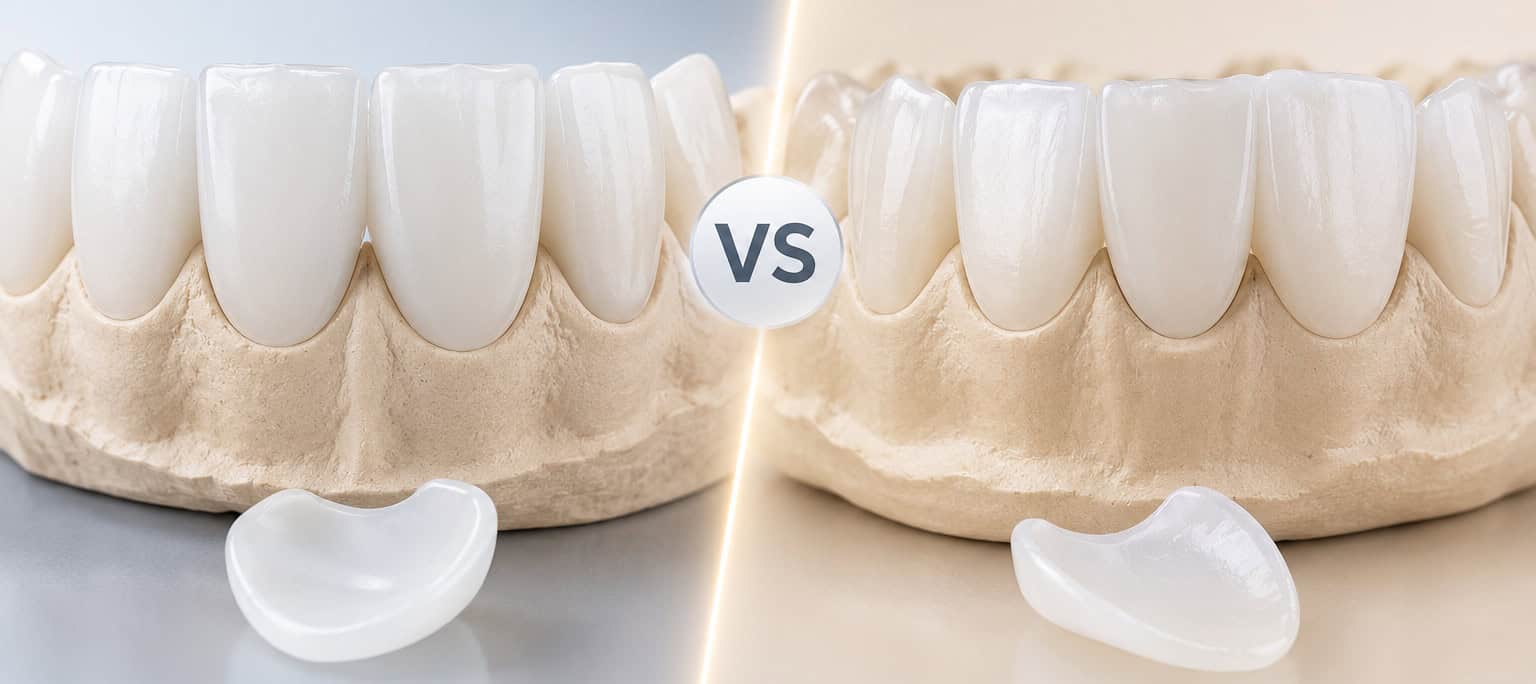
Zirconia vs E-Max veneers in Albania is an important comparison for patients planning a smile makeover abroad. Zirconia is generally selected when greater strength or masking ability is needed, while E-Max is often preferred for highly natural translucency and conservative aesthetic restorations.
Neither material is automatically better for every smile. At KissDent in Tirana, the final choice is based on tooth color, enamel condition, bite, veneer thickness, and the result the patient wants to achieve.
Quick Answer: Zirconia or E-Max Veneers?
E-Max veneers are made from lithium disilicate glass ceramic. Their optical properties allow light to pass through the restoration in a way that can closely resemble natural enamel.
Zirconia veneers are produced from zirconium oxide ceramic. Modern translucent zirconia can provide attractive results while offering high mechanical strength and improved masking of certain underlying tooth colors.
For highly aesthetic front teeth with sufficient enamel, E-Max is frequently considered. Zirconia may be recommended when additional strength, opacity, or coverage is clinically necessary.
The final decision should only be made after a complete examination. Learn more about personalized dental veneers in Albania at KissDent.
Zirconia vs E-Max Veneers: Main Differences
| Feature | Zirconia veneers | E-Max veneers |
| Primary material | Zirconium oxide ceramic | Lithium disilicate glass ceramic |
| Main advantage | High strength and masking ability | Natural translucency and aesthetic integration |
| Appearance | Attractive, with translucency depending on the zirconia type | Highly enamel-like and naturally translucent |
| Masking dark teeth | Often provides stronger masking | Depends on the selected opacity and veneer thickness |
| Bonding | Requires a zirconia-specific bonding protocol | Commonly bonded after glass-ceramic surface conditioning |
| Tooth preparation | Depends on tooth position, color, and veneer design | Often selected for conservative veneer preparations |
| Common use | Cases needing strength or greater opacity | Aesthetic treatment of visible front teeth |
| Shade selection | Multiple zirconia types and translucency levels are available | Multiple shades and opacity levels are available |
| Best choice | Determined by clinical and aesthetic requirements | Determined by clinical and aesthetic requirements |
What Are E-Max Veneers?
E-Max is a ceramic system commonly associated with lithium disilicate. This glass ceramic combines strength with optical properties designed for natural-looking restorations.
E-Max veneers can be made using pressed ceramic or CAD/CAM technology. The selected method depends on the laboratory process and the individual design of the restoration.
The material is available in different shades and levels of translucency. This helps the dental technician control how much of the natural tooth color remains visible beneath the veneer.
According to the manufacturer, IPS e.max lithium disilicate is indicated for aesthetic restorations including veneers. Its shade and translucency options can help the restoration integrate with surrounding teeth.
What Are Zirconia Veneers?
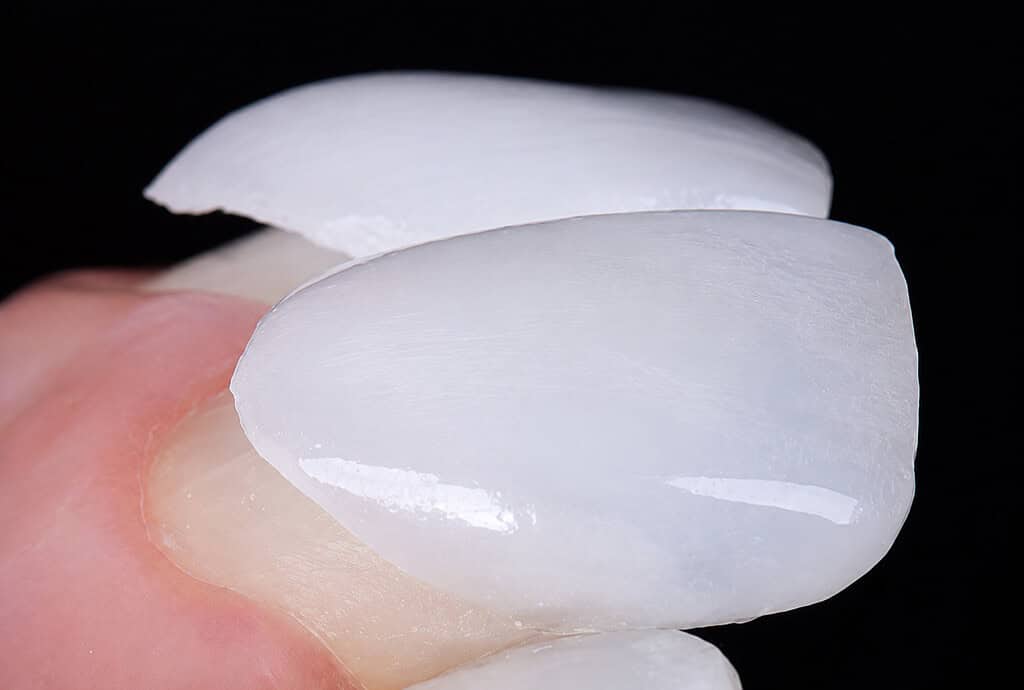
Zirconia veneers are made from zirconium oxide, a metal-free dental ceramic known for its mechanical strength. The material is digitally designed and milled before being finished to create the planned shade and surface texture.
Earlier zirconia materials were known for being relatively opaque. Modern translucent and ultra-translucent zirconia formulations have improved their aesthetic possibilities.
The exact appearance varies according to the type of zirconia. Greater translucency can improve aesthetics, while more opaque formulations can be useful when the underlying tooth color needs stronger masking.
This flexibility makes zirconia valuable in selected cases. However, the dentist and technician must choose the correct material category rather than treating all zirconia as identical.
Which Veneers Look More Natural?
E-Max is often chosen for front teeth because lithium disilicate can reproduce enamel-like depth and translucency. Light can interact with the ceramic in a way that helps the restoration appear less flat.
This is especially important when only one or a few teeth are treated. The new veneers must blend with neighboring natural teeth instead of looking noticeably different.
Modern zirconia can also provide natural-looking results. However, its final appearance depends heavily on the zirconia formulation, thickness, surface characterization, and skill of the dental technician.
A controlled clinical trial comparing high-translucency zirconia and lithium disilicate veneers reported stronger aesthetic and translucency results for the lithium disilicate group. This does not mean zirconia is unsuitable, but it demonstrates why material selection should match the individual case.
Which Veneer Material Is Stronger?
Zirconia is generally associated with greater mechanical strength. This can make it useful when the restoration needs additional resistance or when the clinical design requires stronger masking and support.
E-Max is also a high-strength ceramic. It is specifically designed to combine durability with the optical qualities required for aesthetic dental restorations.
Strength alone should not determine the choice. Veneers rely on correct case selection, adequate enamel bonding, precise preparation, appropriate thickness, and balanced bite forces.
A strong material can still experience complications if the veneer is poorly designed or bonded. Similarly, a well-planned E-Max veneer can provide reliable long-term performance in a suitable case.
Bonding Differences Between Zirconia and E-Max
Bonding is one of the most important technical differences in the Zirconia vs E-Max veneers comparison. The two materials do not have the same internal structure and therefore require different surface treatments.
Lithium disilicate is a glass ceramic. It can be conditioned using a protocol created for glass-based ceramic restorations before adhesive cementation.
Zirconia does not respond to the same surface-conditioning method. It requires a bonding protocol specifically designed for zirconium oxide.
Recent research has reported stronger pooled bond values for lithium disilicate veneers than for translucent zirconia. The same review emphasized that enamel provides a favorable bonding surface, reinforcing the importance of conservative preparation when clinically possible.
Successful bonding depends on:
- Correct isolation from moisture
- Preservation of healthy enamel
- Appropriate surface preparation
- Compatible primer and resin cement
- Accurate veneer fit
- Following the material-specific protocol
Patients do not need to choose the bonding products themselves. However, they should choose a clinic experienced in handling the specific ceramic being recommended.
Which Material Improves Dark or Discolored Teeth?
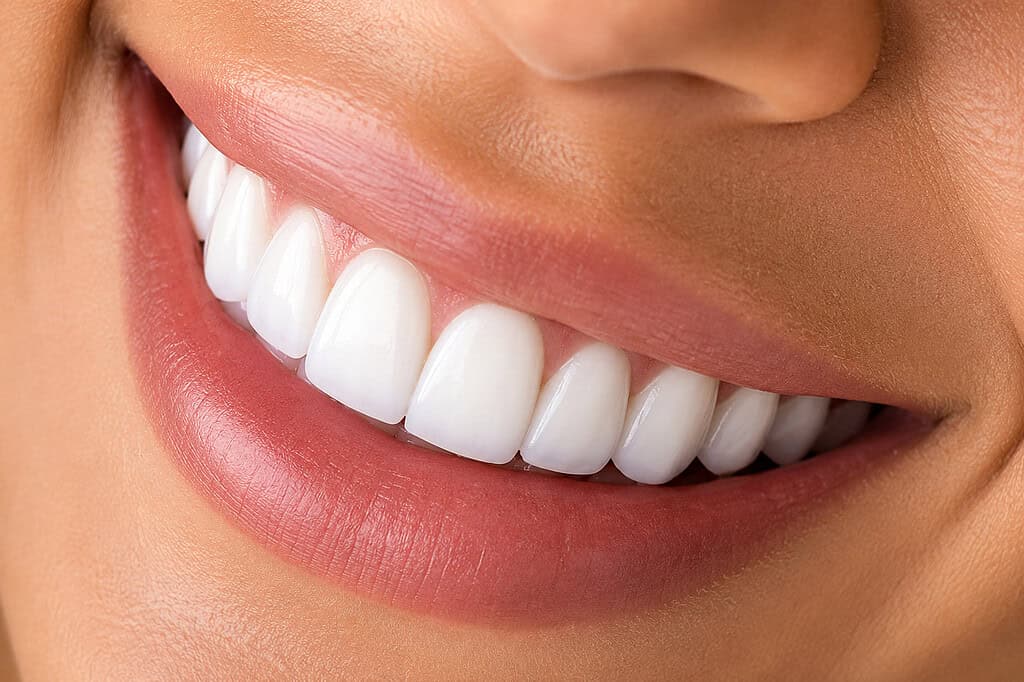
The original tooth color can influence the final veneer result. Very dark discoloration may remain visible beneath a highly translucent restoration if opacity and thickness are not planned correctly.
Zirconia generally provides stronger masking potential. This can make it useful when the dentist needs to reduce the influence of a dark underlying tooth.
E-Max is available in different opacity levels and can also mask discoloration in suitable cases. The technician must balance masking with translucency so the veneer does not appear flat or artificial.
The decision depends on several factors:
- Intensity of the discoloration
- Desired final shade
- Available restoration thickness
- Amount of enamel
- Number of teeth being treated
- Color of neighboring teeth
A digital or physical smile preview can help patients understand the proposed result before the final veneers are produced.
Do E-Max Veneers Require Less Tooth Preparation?
E-Max is frequently used for thin, conservatively prepared veneers. In suitable cases, the dentist may remove only a limited amount of enamel to create space for the ceramic.
However, “minimal preparation” does not mean that every patient can receive no-prep veneers. Teeth that are crowded, prominent, heavily discolored, or already restored may need a different approach.
Zirconia veneer preparation also varies. The amount of reduction depends on the tooth position, desired color change, restoration thickness, and selected zirconia material.
The primary goal should be to preserve healthy tooth structure while creating sufficient space for a strong and natural-looking restoration. Removing too little can make the veneers bulky, while removing too much can compromise healthy tissue.
When May E-Max Veneers Be Recommended?
E-Max may be considered when the main objective is a highly aesthetic restoration that blends naturally with the smile. It is commonly used on visible front teeth when adequate enamel is available for bonding.
It may be suitable for improving:
- Permanent discoloration
- Small gaps
- Worn tooth edges
- Minor chips
- Uneven tooth proportions
- Mild shape irregularities
Every case still requires individual assessment. Significant crowding, active dental disease, insufficient enamel, or uncontrolled grinding may require additional planning or another treatment.
When May Zirconia Veneers Be Recommended?
Zirconia may be considered when the restoration needs increased opacity or mechanical resistance. It can help manage selected cases in which the underlying tooth color would be difficult to hide with a highly translucent ceramic.
The dentist may also discuss zirconia when the bite places greater demands on the restoration. However, severe grinding must be evaluated carefully regardless of which veneer material is chosen.
Modern translucent zirconia has expanded the aesthetic possibilities of this material. Even so, the most translucent zirconia is not automatically the best choice when maximum strength or masking is the priority.
The dentist and technician must select the correct zirconia formulation for the clinical objective.
Are Zirconia or E-Max Veneers Better for Front Teeth?
E-Max is frequently preferred for front teeth because of its translucency and enamel-like appearance. It can be particularly useful when matching veneers with untreated natural teeth.
Zirconia can still be appropriate for front teeth when greater opacity or strength is needed. High-quality laboratory finishing can create texture, shade variation, and a natural surface.
The right decision depends on the entire smile. Facial features, lip movement, gum levels, tooth proportions, and the color of neighboring teeth all affect the final design.
At KissDent, veneer treatment is planned around the patient rather than choosing one material for every case.
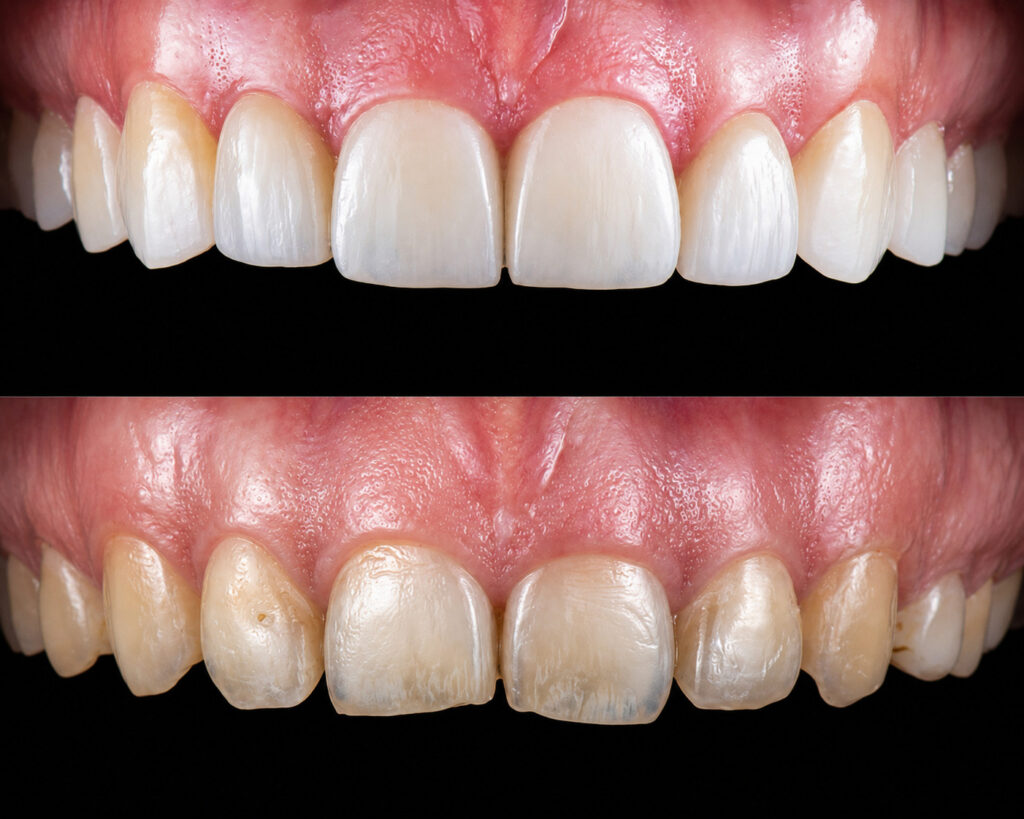
How Are Veneers Designed at KissDent?
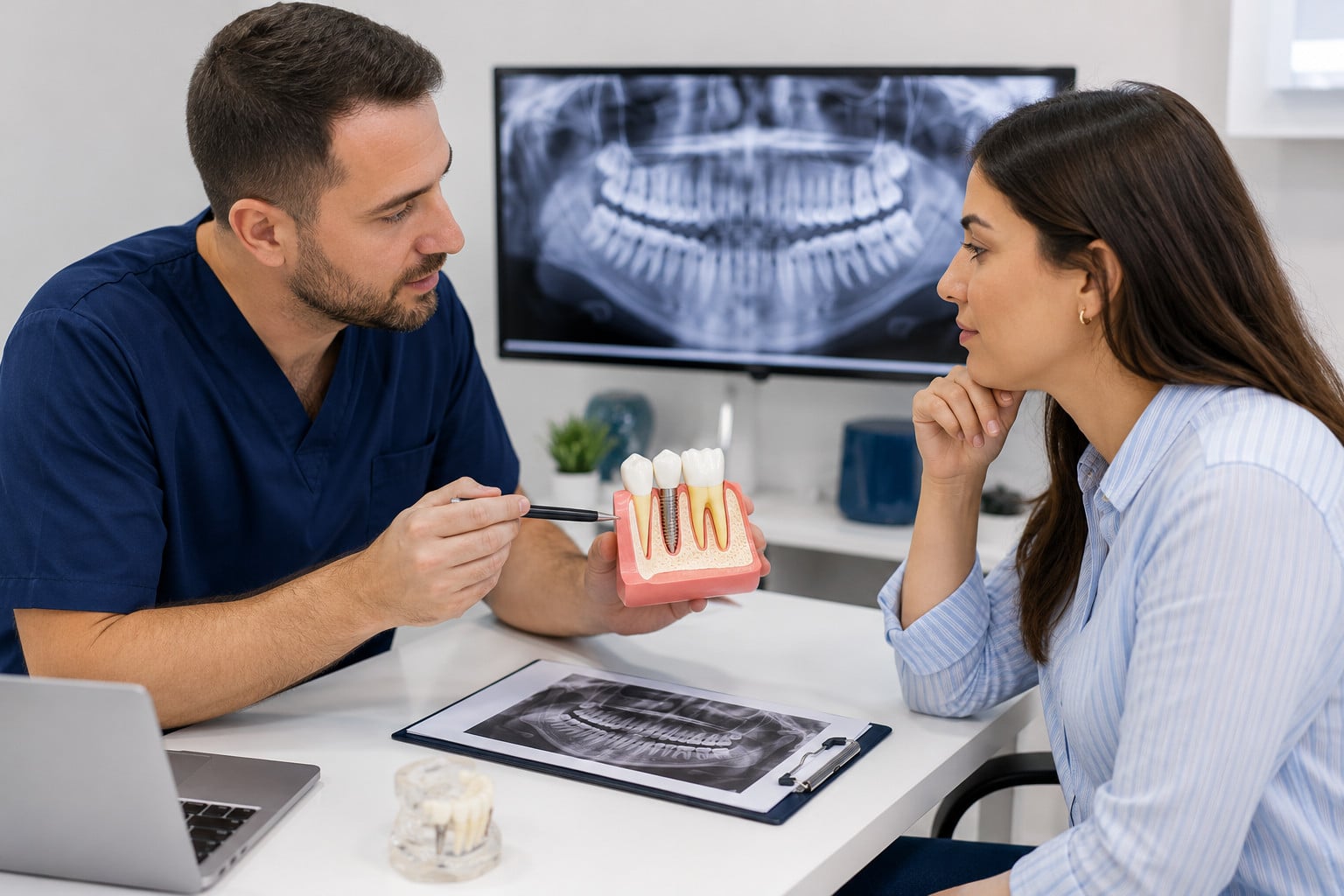
The process begins with a dental examination and smile assessment. The team evaluates the teeth, gums, enamel, bite, and the changes the patient would like to make.
Photographs, scans, and digital records help the dentist plan the shape and proportion of the veneers. The patient can discuss whether they prefer a bright, uniform smile or a softer and more natural appearance.
When preparation is required, only the amount necessary for the planned restoration should be removed. Temporary veneers may be provided while the final ceramics are produced.
The final veneers are checked for fit, shade, symmetry, gum contact, and bite before bonding.
How to Choose Between Zirconia and E-Max Veneers
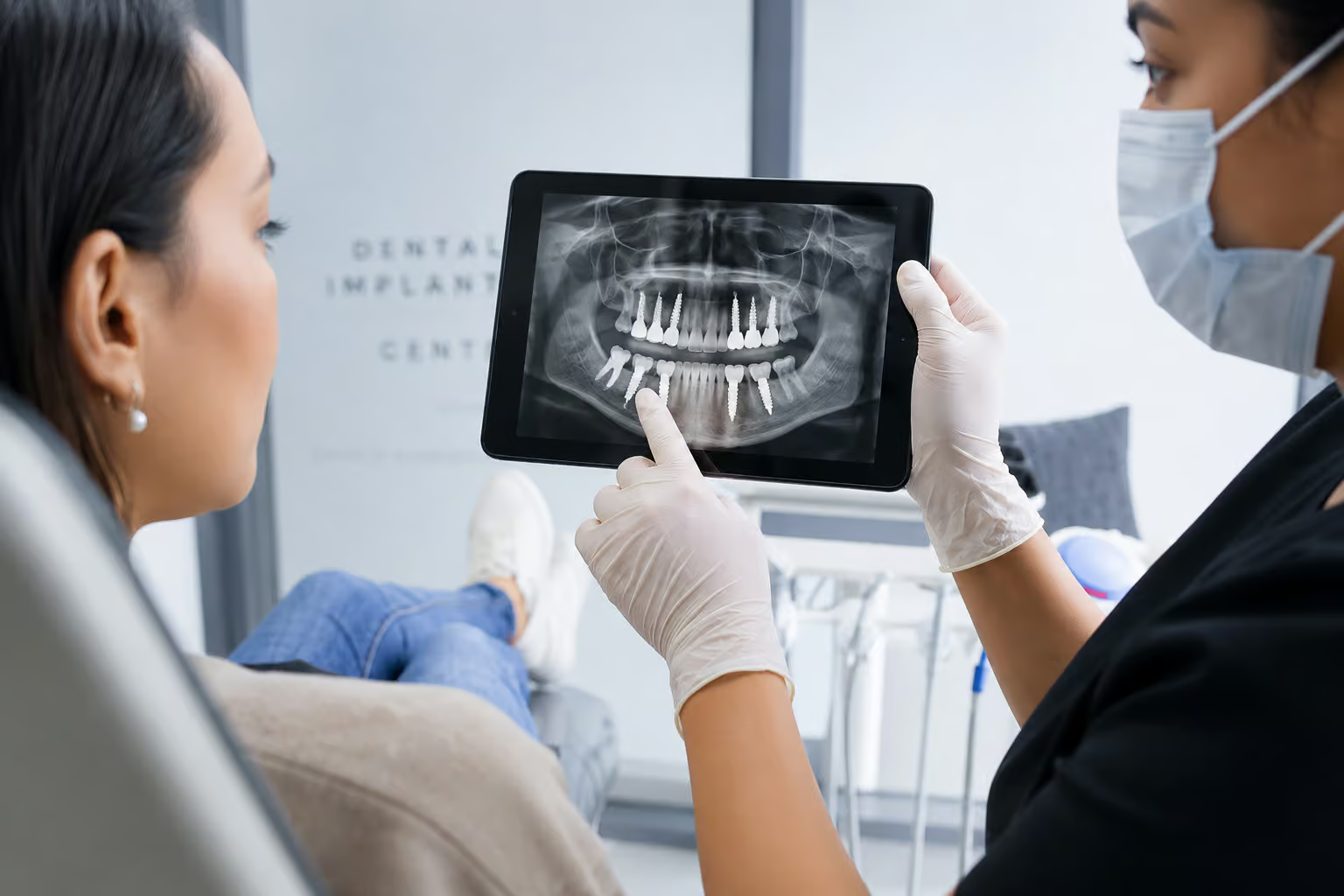
A consultation is the only reliable way to select the right veneer material. Online photographs can help with an initial assessment, but they cannot show enamel thickness, bite forces, or the complete condition of the teeth.
During the consultation, ask:
- Why is this material recommended for my teeth?
- How much healthy tooth structure must be removed?
- Will the material mask my current tooth color?
- How will the veneers be bonded?
- Can I preview the proposed shape and shade?
- Who will design and manufacture the veneers?
- Will I need a protective night guard?
- What maintenance will be required?
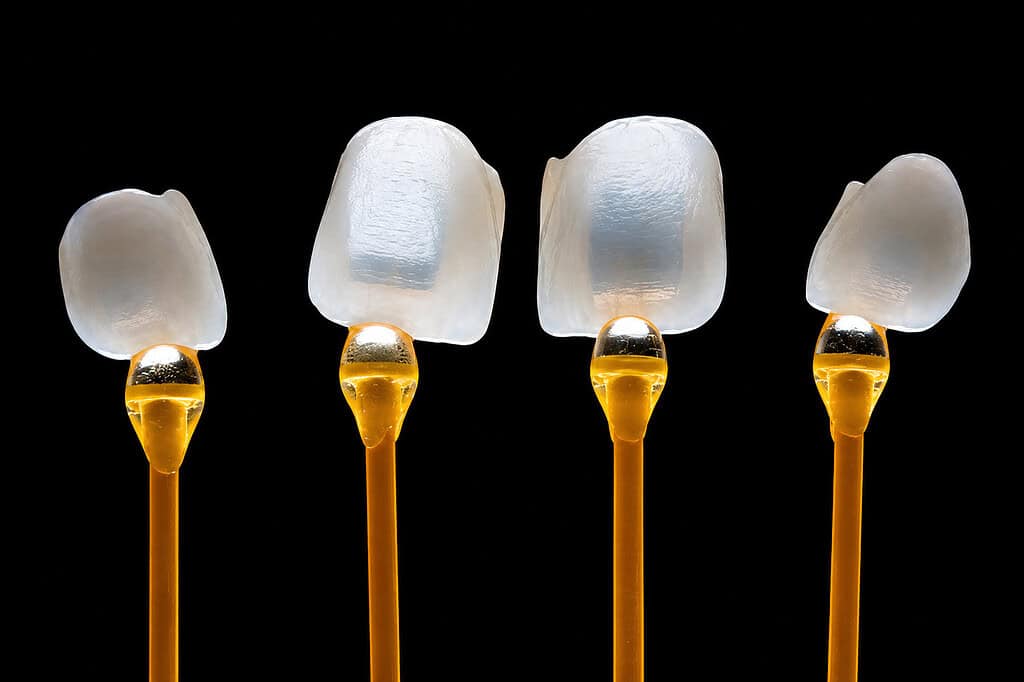
Choose Zirconia or E-Max Veneers at KissDent
The Zirconia vs E-Max veneers in Albania decision should be based on more than strength or appearance alone. Tooth color, enamel, bite, restoration thickness, bonding requirements, and the desired smile all influence the correct choice.
At KissDent, dentists and in-house dental technicians coordinate the treatment from initial smile planning to final veneer bonding. Patients receive a personalized recommendation rather than the same material for every smile.
View real smile transformations in the KissDent before-and-after gallery or request an initial online assessment.
- 😁 Send clear photographs of your smile for an initial evaluation
- 🦷 Receive a personalized veneer and smile design plan
- 🎨 Compare suitable ceramic shades and materials
- ✈️ Get support with accommodation and airport transportation
- 📍 Complete your treatment at KissDent in central Tirana
📞 Phone and WhatsApp: +355 69 206 2408
📧 Email: info@kissdent.info
🌐 Website: www.kissdent.com
📩 Free consultation: Contact KissDent
Contact KissDent today and discover whether zirconia or E-Max veneers are more suitable for your smile.